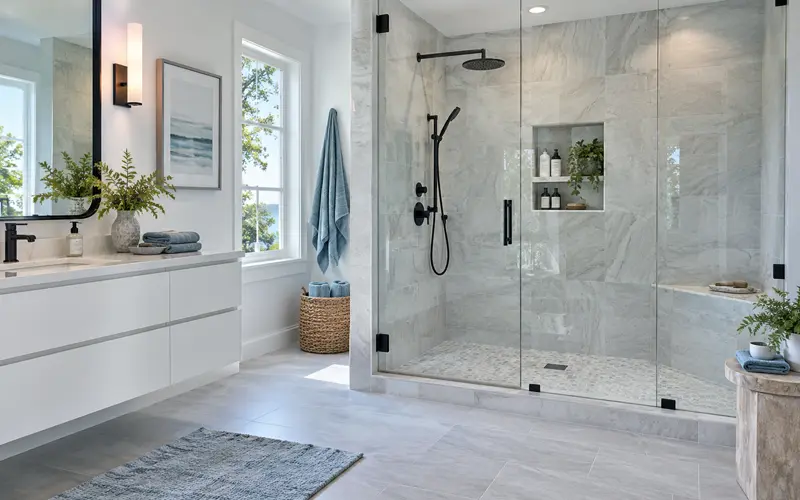
A shower gets used almost every day, so it’s no surprise that moisture, cleaning products, and everyday wear eventually take their toll. A tired shower isn’t just an eyesore, either. It can affect comfort, cleaning time, and even resale appeal. If you’re thinking about replacing yours, it helps to know what actually matters before you pick tile, glass, or fixtures. A smart plan saves money, stress, and a few avoidable renovation headaches.
Choosing the Right Shower Replacement Contractor
Experience matters more than many homeowners realize. Bathrooms deal with constant moisture, frequent use, and building conditions that can affect remodeling decisions. A contractor familiar with shower installations is more likely to understand product performance, installation best practices, and what holds up over time.
If you’re evaluating options for shower replacement in Orlando, FL, look for a company that clearly explains materials, process, timing, and cleanup. The same advice applies when comparing contractors in any location. Reviews help, but so do specifics.
Before hiring a contractor, ask about:
- Examples of previous shower replacement projects
- Materials and product options
- Expected installation timelines
- Cleanup and debris removal
- Warranty coverage for products and labor
A reliable contractor should make the project feel clearer, not more confusing. If every answer sounds vague or rushed, that’s useful information, too. Trust and transparency belong on your checklist right next to waterproofing.
Signs Your Shower Is Ready for Replacement
Some showers make their problems obvious. Cracked walls, stained grout, leaks, and rusty fixtures tend to wave a giant red flag. Others fail more quietly. You might notice water lingering where it shouldn’t, mold returning no matter how much you scrub, or doors that stick like they hold a grudge.
An outdated shower can also hurt your bathroom’s overall function. Maybe the space feels cramped, the threshold is awkward, or the storage situation is basically one bottle balancing on a ledge. If your shower is hard to clean, uncomfortable to use, or showing structural wear, replacement starts looking less like a luxury and more like basic maintenance with better style.
The Difference Between a Quick Update and a Full Replacement
A lot of people confuse shower replacement with a cosmetic refresh. New caulk, a different showerhead, or fresh hardware can improve appearance, but those fixes don’t solve deeper issues hiding underneath the surface.
A true replacement usually involves removing the existing shower system and installing new walls, base materials, fixtures, and sometimes doors or enclosures. That matters when you’re dealing with water damage, aging plumbing connections, or poor layout choices. It’s the difference between covering up a problem and actually fixing what’s causing it.
If the bones of the shower are failing, patchwork repairs often turn into a money pit. A complete replacement gives you a clean slate and a better shot at long-term durability, especially in bathrooms where moisture has already caused problems.
Choosing Shower Materials That Look Good and Last
When you start shopping, the visual side can take over fast. Glossy wall surrounds, frameless glass, matte black hardware, stone textures, subway patterns. It’s easy to get distracted by showroom sparkle. Still, performance deserves equal attention.
Low-maintenance materials can make a huge difference in your daily life. Some common options include:
- Acrylic: A popular low-maintenance choice that is easy to clean and avoids the grout scrubbing that tile often requires.
- Solid surface: Offers a smooth appearance, fewer seams, and relatively easy upkeep.
- Tile: Works well for custom designs and decorative finishes but requires more cleaning and careful installation.
Think about slip resistance, too. A shower floor that looks sleek but feels like a skating rink is a terrible trade. Good design should feel practical under your feet, not just impressive in photos.
Why Layout and Accessibility Deserve a Closer Look
Replacing your shower gives you a chance to fix annoyances you’ve probably tolerated for too long. Maybe the entry is too narrow, the controls are placed awkwardly, or the built-in storage is almost comically useless.
A better layout can change the whole feel of your bathroom. Features like a low threshold, built-in bench, grab bars, handheld showerheads, and wider openings aren’t only for aging homeowners. They improve comfort for almost anyone, including athletes, busy parents, and people recovering from injuries.
This is also a smart time to think long term. If you plan to stay in your home for years, accessibility upgrades can add convenience now and flexibility later. Good remodeling choices age well, which is more than you can say for certain trendy finishes.
Budgeting Without Getting Blindsided
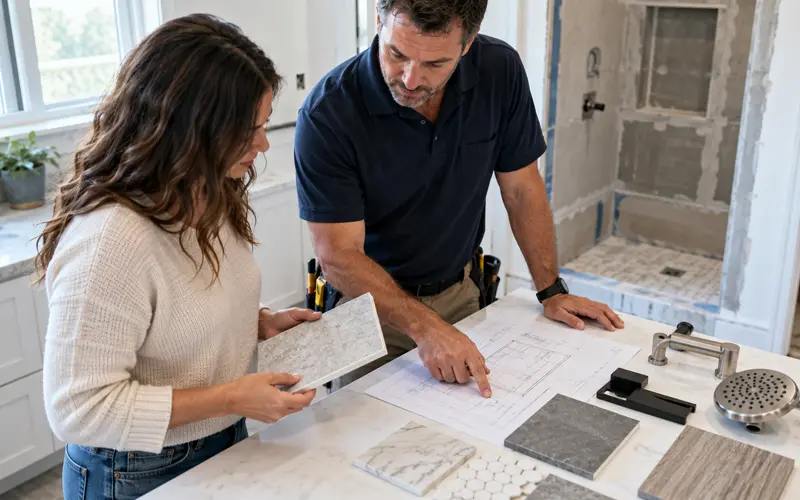
Shower replacement costs vary based on size, materials, plumbing work, and customization. The number on the first estimate doesn’t always reflect the full project, either. Once demolition starts, hidden issues like mold, rot, or outdated plumbing can appear and change the scope.
Before signing a contract, make sure you understand what’s included in the estimate:
- Removal and disposal of the existing shower
- Wall preparation and waterproofing
- New fixtures, doors, and materials
- Plumbing adjustments or repairs
- Permits, if required
- Installation timeline
- Warranty coverage for both products and labor
If you’re comparing contractors, don’t focus only on the cheapest quote. A low price can hide shortcuts in waterproofing or material quality, and water has a nasty habit of exposing bad decisions later. Value beats bargain-bin remodeling every time.
What Shower Installation Really Involves
A shower replacement is less chaotic than a full bathroom gut job, but it still takes planning. Your bathroom may be partially or fully unavailable during installation, and there will be noise, dust, and workers moving materials in and out.
Good installers usually protect surrounding areas, remove the old shower, inspect the underlying structure, make needed repairs, and then install the new system in stages. Waterproofing is one of the most important parts, even though you’ll never admire it on Instagram. Hidden details do the heavy lifting.
Before work begins, clear out nearby items, confirm timelines, and ask how debris will be handled. A smooth remodel often comes down to boring logistics done well. Glamorous? Not exactly. Helpful? Very.
How a New Shower Can Improve Daily Life and Home Value
A well-designed shower changes your routine in small but noticeable ways. It can make mornings easier, cleanup faster, and the entire bathroom feel newer even if the rest of the space stays mostly the same. Function has a quiet kind of luxury.
From a resale perspective, buyers pay attention to bathrooms. A modern, clean, accessible shower can strengthen your home’s appeal, especially when it looks durable and thoughtfully finished. Even smaller bathroom projects, such as a budget-friendly bathroom cabinet makeover, can help pull the overall space together without requiring a complete renovation.
You’re not just swapping out an old fixture. You’re improving one of the most used spaces in the house. If you approach the project with clear priorities, realistic budgeting, and the right contractor, the result can feel less like a renovation chore and more like a practical upgrade you’ll appreciate every single day.