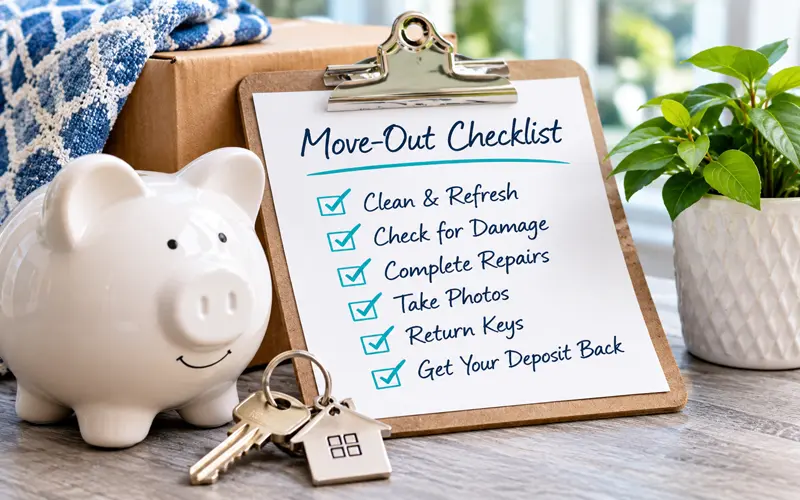
Moving into a new rental home or apartment is an exciting opportunity to create a space that feels like your own. Between decorating, arranging furniture, and settling into a new neighborhood, it is easy to overlook some of the practical responsibilities that come with renting. One of the most important is protecting your security deposit.
With a little preparation, thoughtful decorating, and regular home maintenance, you can reduce unexpected expenses when it is time to move. These rental tips can help you protect your money while enjoying a comfortable, personalized living space.
1. Budget for More Than Your Monthly Rent
Before signing a lease, consider the full cost of moving into a rental property. Researching the average security deposit in your area can help you prepare for upfront expenses and determine how much money you need to set aside.
Your initial moving budget may need to include:
- First month’s rent
- Security deposit
- Pet deposits or fees
- Utility connection fees
- Moving services or truck rentals
- Renters insurance
- Essential household purchases
- Application and administrative fees
Keep your security deposit separate from your available spending money when planning your next move. Depending on when it is returned, you may need to cover the deposit for your new home before receiving the money from your previous rental.
2. Document Your Rental Before Unpacking
An empty home provides the perfect opportunity to document its condition. Before moving furniture or unpacking boxes, walk through each room and take clear photographs of the walls, flooring, appliances, countertops, and fixtures.
Pay particular attention to existing scratches, stains, chipped paint, damaged blinds, and loose hardware. Save your photographs in a dedicated digital folder along with your move-in inspection report and any written communication with your landlord. Taking an extra 30 minutes to document these details could save you considerable time and money when you eventually move out.
3. Decorate Without Making Permanent Changes
Renting does not mean you have to live in a home that lacks personality. Thoughtful decorating choices can transform a plain apartment into a welcoming space without requiring permanent alterations.
Consider these rental-friendly decorating ideas:
- Use freestanding shelving instead of wall-mounted units.
- Add colorful area rugs to protect flooring and introduce personality.
- Incorporate floor and table lamps for warmer lighting.
- Use decorative pillows, curtains, and throws to introduce color.
- Display artwork on shelves, consoles, or existing picture hooks.
- Choose multifunctional furniture that can move with you.
Simple changes can also help make a room look spacious, particularly when working with a smaller apartment. Always check your rental agreement before painting, installing hardware, or using adhesive decorating products, as even products marketed as removable can damage certain surfaces.
4. Protect High-Traffic Areas
Some areas of a home naturally experience more daily use than others. Entryways, hallways, kitchens, and living rooms are especially susceptible to scratches, spills, and accidental damage.
A few inexpensive household accessories can help prevent larger problems.
| Area | Common Concern | Simple Solution |
|---|---|---|
| Entryway | Dirt and moisture | Indoor and outdoor doormats |
| Living room | Furniture scratches | Felt furniture pads |
| Dining area | Spills and stains | Washable area rugs |
| Kitchen | Cabinet and drawer stains | Non-adhesive shelf liners |
| Bathroom | Excess moisture | Washable bath mats and ventilation |
| Pet areas | Water spills and scratches | Waterproof feeding mats |
These small investments can help maintain the appearance of your rental while making everyday cleaning easier.
5. Stay Ahead of Household Cleaning
Regular cleaning is much easier than attempting to restore an entire home during the final weekend before moving out. Grease buildup, stubborn carpet stains, soap residue, and neglected appliances can require considerably more effort when left unattended.
Develop a manageable routine that works with your household schedule. Incorporating a few time-saving cleaning tips into your weekly routine can prevent small chores from becoming overwhelming projects.
Remember to clean less noticeable areas throughout your tenancy, including baseboards, cabinet interiors, window tracks, and appliance surfaces. Use cleaning products appropriate for each material to avoid accidentally damaging finishes.
6. Make Your Rental Pet-Friendly
Pets are part of the family, but they can present additional challenges when living in a rental home. Scratched flooring, damaged door frames, lingering odors, and carpet stains are all concerns that can often be minimized with preventive care.
Place washable mats beneath food and water bowls, keep your pet’s nails trimmed, and clean accidents promptly with products suitable for your flooring. Providing scratching posts for cats and appropriate chew toys for dogs can also help protect furniture, doors, and other household surfaces. If you have carpet, vacuum regularly and address pet odors as they occur rather than attempting to remove months of buildup before moving out.
7. Report Small Maintenance Problems Early
A dripping faucet, loose cabinet hinge, or small water stain might not seem particularly urgent. However, minor maintenance issues can develop into larger problems if ignored.
Notify your landlord or property manager when you notice concerns such as:
- Leaking faucets or pipes
- Water stains on walls or ceilings
- Appliances that stop working properly
- Loose flooring or damaged tiles
- Air conditioning or ventilation problems
- Windows or doors that no longer close correctly
Keep a record of maintenance requests and any responses you receive. Avoid attempting major repairs yourself unless you have permission, particularly when plumbing, electrical systems, or permanent fixtures are involved.
8. Prepare for Moving Out in Stages
The last few days before a move can be hectic, especially when balancing work, family responsibilities, and packing. Creating a simple timeline allows you to complete important tasks without rushing.
| Time Before Moving | Tasks to Complete |
|---|---|
| 4 weeks | Review your lease, confirm move-out requirements, and begin decluttering. |
| 2 weeks | Pack nonessential belongings and arrange any approved repairs or cleaning services. |
| 1 week | Clean cabinets, closets, windows, and appliances as they become empty. |
| Moving day | Remove remaining belongings, clean floors, and photograph each room. |
| After moving | Confirm key return, provide a forwarding address, and retain your records. |
Adjust this schedule to accommodate your rental agreement, required notice periods, and personal circumstances. Starting early may also help you avoid paying premium prices for last-minute services.
9. Complete a Thorough Move-Out Inspection
Once your furniture and belongings have been removed, take another walk through the property. Compare its condition with the photographs and notes you made when moving in. Check inside appliances, behind doors, beneath sinks, and throughout closets. These are easy places to overlook when concentrating on loading boxes and coordinating transportation.
If possible, arrange a final walkthrough with your landlord or property manager. Rental requirements vary by location, so direct communication with the person managing your property can help clarify expectations. For example, a Washington DC Georgetown property manager can explain property-specific move-out procedures for renters in that area.
10. Keep Your Rental Records After Moving
Even after returning your keys, keep your rental documents, photographs, maintenance correspondence, and inspection reports until your security deposit has been resolved.
Provide your forwarding address in writing and retain confirmation that you returned all keys, parking passes, garage remotes, and other property accessories. If you receive a list of deductions, compare it with your original inspection report and move-out photographs, and request clarification about any unfamiliar charges.
Protecting your security deposit begins long before moving day. By caring for your rental throughout your tenancy, decorating thoughtfully, and staying organized, you can enjoy a home that reflects your personality while reducing unnecessary expenses. When the time comes to move, you will be better prepared to put that money toward your next home.