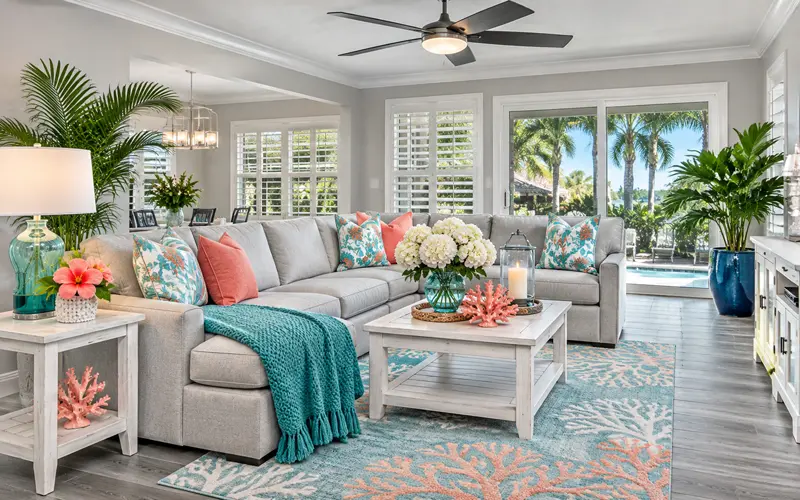
Florida’s warm weather, abundant sunshine, and outdoor lifestyle are among the many advantages of living in the Sunshine State. However, the tropical climate also presents challenges for homeowners, from persistent humidity and intense summer heat to heavy rainfall and seasonal storms. Maintaining a comfortable home requires balancing these conditions with practical improvements that support everyday living.
Fortunately, improving indoor comfort does not always involve extensive renovations or expensive upgrades. Thoughtful maintenance, effective temperature control, and functional living spaces can make a noticeable difference throughout the year.
Protect Your Home From Heat and Moisture
A comfortable home begins with a well-maintained exterior. Roofing, insulation, windows, and exterior walls work together to limit unwanted heat gain and prevent moisture from entering living spaces. When these components deteriorate, the resulting problems can affect everything from indoor temperatures to the condition of ceilings and walls.
Roof maintenance is particularly important in Florida, where prolonged sun exposure, strong winds, and heavy rainfall can gradually damage roofing materials. Homeowners who need roof repair in Sarasota, FL, Bradenton, FL, or even Miami, FL may have noticed visible damage, a possible leak, or concerns following severe weather. A qualified roofing professional can assess the condition of the roof, identify necessary repairs, and determine whether more extensive work is appropriate.
Regular exterior inspections also provide an opportunity to identify damaged window seals, deteriorating caulking, and drainage problems before they become more serious. Incorporating these inspections into a routine of Florida home maintenance can help homeowners address smaller concerns before they lead to costly repairs.
Make Better Use of Shade and Natural Light
Natural light creates bright, welcoming interiors, but Florida sunshine can quickly raise indoor temperatures, particularly in rooms with large windows or sliding glass doors. Afternoon sunlight is often especially intense, making appropriate window treatments an important consideration for year-round comfort.
Cellular shades, reflective window coverings, and lined curtains can help limit unwanted solar heat gain while still allowing homeowners to control privacy and natural light. Exterior awnings and strategically positioned shade structures offer another approach by intercepting sunlight before it reaches the windows.
The most effective solution depends on window orientation, the amount of direct sunlight, and how the room is used. Rather than covering every window in the same way, selecting treatments based on individual needs can improve comfort without sacrificing the bright, open atmosphere associated with Florida living.
Create Living Spaces That Work for Everyday Life
Comfort extends beyond indoor temperature. Furniture arrangements, accessible storage, and sufficient space to move around can influence how enjoyable a room feels, especially in homes where living areas serve several purposes.
A living room designed for conversation may benefit from seating arranged around a central gathering area, while a multipurpose family room might require flexible furnishings that accommodate entertainment, relaxation, and other household activities. Maintaining clear walkways and reducing unnecessary clutter can make familiar spaces feel more organized and inviting.
A few thoughtful adjustments are often more beneficial than purchasing additional furniture or decorative accessories. Consider these practical improvements:
- Arrange seating to encourage conversation without obstructing natural pathways.
- Keep frequently used household items in accessible storage.
- Choose furniture that suits the size and daily purpose of each room.
- Use adjustable lighting to accommodate different activities and times of day.
- Select durable, easy-to-maintain fabrics for busy family spaces.
These changes can also make a home more welcoming for gatherings, whether that involves family dinners, entertaining friends, or enjoying time spent around a firepit. The goal is to create spaces that look attractive while remaining comfortable and practical for the people who use them.
Control Indoor Humidity
Florida’s humidity can make indoor spaces feel uncomfortable even when the air conditioning is running. Excess moisture may contribute to condensation, musty odors, and conditions that encourage mold growth, particularly in poorly ventilated areas.
High indoor humidity can sometimes indicate that an air conditioning system is not removing moisture effectively. While cooling equipment naturally extracts some humidity from indoor air, proper system sizing, maintenance, and operation are essential. An oversized unit, for example, may cool a room quickly without running long enough to remove sufficient moisture.
Additional steps can help homeowners maintain a more comfortable indoor environment:
- Use bathroom exhaust fans during showers and afterward to remove excess moisture.
- Ensure kitchen ventilation is adequate when cooking.
- Check for plumbing leaks and condensation around windows or pipes.
- Keep air conditioning filters clean and follow recommended maintenance schedules.
- Consider a dehumidifier when persistent moisture remains an issue after underlying problems have been addressed.
Maintaining balanced indoor humidity can improve comfort while helping protect furniture, flooring, and other household materials from moisture-related damage.
Extend Comfort to Outdoor Living Areas
Patios, screened porches, and backyard seating areas are valuable extensions of Florida homes. With thoughtful planning, these spaces can provide comfortable settings for outdoor meals, quiet afternoons, and gatherings with family and friends.
Shade is one of the most important elements of an enjoyable outdoor area. Covered patios, retractable awnings, and well-positioned umbrellas help reduce direct sunlight, while outdoor ceiling fans improve air movement during warm weather. Although fans do not lower the actual air temperature, the increased airflow can make outdoor seating areas feel more comfortable.
Screened enclosures can also help reduce insect activity, particularly during humid evenings. Durable outdoor furniture, weather-resistant cushions, and materials designed to withstand moisture and sunlight are practical investments for spaces exposed to Florida’s changing conditions.
Outdoor comfort also depends on preparation for seasonal weather. Loose furnishings, umbrellas, and decorative accessories should be easy to secure when storms approach. Establishing a routine for Florida storm season home prep helps protect outdoor spaces while keeping them ready for regular enjoyment.
A Comfortable Florida Home Begins With Consistent Care
Creating a comfortable home in Florida is less about making dramatic changes and more about understanding how the climate affects everyday living. Maintaining the exterior, managing moisture, controlling sunlight, and organizing functional living spaces all contribute to a home that feels more enjoyable throughout the year.
Small improvements, supported by consistent maintenance, can provide lasting benefits while allowing homeowners to make the most of Florida’s indoor and outdoor lifestyle.