
The school years shape far more than a child’s grades. Between early mornings, homework, sports, and busy weekends, children are growing quickly, and the habits they form now often stay with them into adulthood.
For families in Snohomish, as anywhere else, supporting a child’s physical health means paying attention to many small things at once, from the food on their plate to the hours they sleep. Parents do not need to be experts to make a real difference. Steady routines, good examples at home, and regular checkups give children a strong foundation to learn, play, and grow with confidence.
Keeping Smiles Healthy Through the School Year
Busy school schedules often push routine health visits further down the list, especially when children seem perfectly well. Teeth are easy to overlook, yet skipping visits to a dentist can allow small cavities to grow quietly until they cause pain, missed classes, and trouble eating. A dentist who focuses on children is often the best fit, since young patients need a gentle approach and clear, friendly explanations that ease their worries.
Parents can schedule regular visits with a local Snohomish pediatric dentist who offers preventive cleanings, sealants, and calming options for children who feel nervous in the chair. When these visits become a normal part of the calendar, children learn to see them as routine rather than something to fear.
Sleep Routines That Support Learning and Growth
Sleep is one of the most important foundations of a child’s health, yet it is often the first thing to slip during the school year. Children who rest well tend to focus better in class, manage their emotions more easily, and recover from illness. The body also does much of its growing and repairing during sleep.
A few simple bedtime habits can help children get the rest they need:
- Keep a consistent bedtime, even on weekends, to help the body settle into a natural rhythm.
- Create a calm hour before bed with dim lights and quiet activities, such as reading.
- Keep phones, tablets, and televisions out of the bedroom, since bright screens and late-night scrolling can make it harder to fall asleep and stay asleep.
Balanced Meals That Fuel the School Day
Children need steady energy to stay alert through long school days, and that energy comes from what they eat. A balanced breakfast with whole grains, fruit, and a source of protein helps prevent the mid-morning slump that makes concentration difficult.
Packing lunches together can be a simple way to teach children about good choices. Letting them pick between two healthy options gives them a sense of control while keeping meals nourishing. Fresh vegetables, lean proteins, and whole foods should appear often, while heavily processed snacks are best kept as occasional treats.
Family dinners, even a few times a week, also give parents a natural chance to model healthy eating and talk about the day. Building better eating habits can start with small decisions, including healthier grocery shopping that makes nutritious options easier to keep on hand.
Daily Movement and Active Play
Physical activity strengthens muscles and bones, supports a healthy weight, and lifts a child’s mood. Many children spend much of the school day sitting at desks, so movement outside of class becomes even more valuable.
Activity does not have to mean organized sports. There are plenty of simple ways to encourage movement:
- Bike rides around the neighborhood
- Walks with the family dog
- Games in the backyard
- Dancing in the living room
The key is finding something the child genuinely enjoys, because children are far more likely to stay active when it feels like fun rather than a chore. Parents who join in set a powerful example and turn exercise into time spent together.
Staying Hydrated From Morning to Afternoon
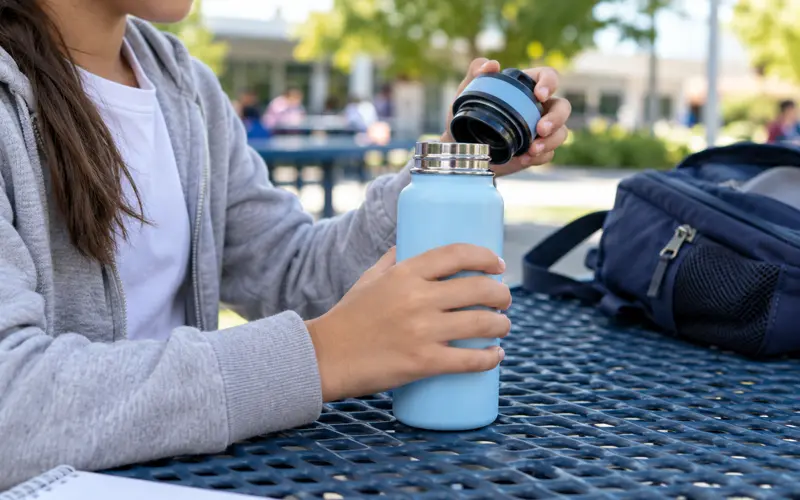
Water plays a quiet but important role in how children feel and perform. Even mild dehydration can bring on headaches, tiredness, and trouble focusing. Children often forget to drink during busy school days, especially when they are caught up in lessons and recess.
Sending a reusable water bottle to school is a simple fix. Parents can encourage children to refill it during the day and drink water with meals at home. Sugary sodas and sweetened drinks should be limited, since plain water keeps children hydrated without added sugar.
Regular Checkups for Eyes, Ears, and Overall Growth
Many health concerns develop slowly and are easy to miss at home. A child who squints at the board, struggles to hear the teacher, or seems unusually tired may be dealing with an issue that affects both health and learning.
Regular visits with the family doctor help track growth, check vision and hearing, and keep vaccinations up to date. These appointments also give parents a chance to ask questions about anything unusual they have noticed. Catching problems early usually makes them easier to address and helps prevent disruptions to a child’s school experience.
Hygiene Habits That Help Prevent Illness
Classrooms bring many children together in shared spaces, which makes it easy for colds and stomach bugs to spread. Simple hygiene habits can help reduce the spread of illness.
Teach children to wash their hands with soap before eating, after using the restroom, and after coming home from school. Coughing and sneezing into an elbow, rather than a hand, also helps protect classmates.
Parents can keep these lessons positive and routine, so children follow them naturally without needing constant reminders. Just like other everyday healthy habits, consistency can make these small actions part of daily life.
Healthy Posture and Lighter Backpacks
Heavy backpacks and long hours hunched over screens can strain a growing child’s back, neck, and shoulders. A few adjustments throughout the day can help children develop healthier posture habits:
- Choose a well-fitted backpack with two padded straps and encourage children to wear both straps to distribute the weight more evenly.
- Make sure the backpack sits close to the back rather than hanging low near the hips.
- Pack only what is needed each day, and regularly clear out old papers and unused items.
- Provide a comfortable homework space with a proper desk and chair to support good posture during study time.
- Encourage short breaks to stretch and move during long study sessions to ease tension and help children return to their work feeling refreshed.
Slug: healthy-habits-for-kids
Category: Lifestyle
Tags: nutrition, sleep, fitness