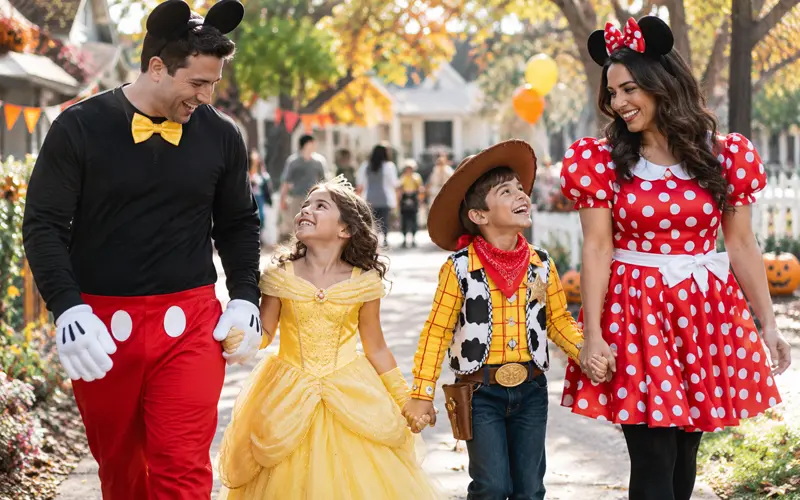
Dressing up as favorite Disney characters offers families a welcome break from routine and a chance to celebrate together. Familiar characters make planning easier because heroes, animals, and villains appeal to different ages. One child may choose a princess, while a parent takes the role of a companion or comic side character. With a little preparation, costumes can encourage comfort, creativity, and connection, whether for themed birthday parties, Halloween celebrations, or imaginative play at home.
A simple conversation about favorite stories, colors, and personality traits can help families choose characters. Families can compare costume options by age, theme, clothing layers, footwear, and accessories before deciding what each member will dress up as. A selection of Disney costumes gives each person room to choose an outfit that feels right. One family member may prefer a lead character, while another selects a supporting figure with a simpler appearance.
Start With a Shared Theme
A shared theme makes planning easy and gives it a clear direction. Families might choose one film, a color palette, or a group connection, such as heroes and sidekicks.
The following Disney costume ideas offer inspiration for coordinated family outfits:
| Disney Theme | Character Ideas |
|---|---|
| Mickey & Friends | Mickey, Minnie, Donald, and Daisy |
| Frozen | Elsa, Anna, Olaf, and Kristoff |
| Toy Story | Woody, Buzz Lightyear, Jessie, and Bo Peep |
| The Incredibles | Mr. Incredible, Elastigirl, Violet, and Dash |
| Beauty and the Beast | Belle, Beast, Lumière, and Mrs. Potts |
| Alice in Wonderland | Alice, Mad Hatter, White Rabbit, and Queen of Hearts |
Each participant should feel comfortable with the decision. One child may enjoy a princess gown, while a sibling prefers a jumpsuit or animal outfit. Parents can coordinate through colors or accessories, incorporating DIY costume ideas without requiring everyone to wear identical clothing. When family members can choose their costumes, the process becomes enjoyable and reduces last-minute conflict.
Check Fit and Mobility
A costume is easier to enjoy when it permits natural movement. Before an event, children should try the costume on and walk, sit, bend, and raise their arms while wearing every layer.
Parents should check for:
- Dragging sleeves, skirts, or capes.
- Masks or headwear that restrict vision.
- Accessories that could cause trips.
- Comfortable and secure footwear.
- Soft materials and simple fastenings.
The weather deserves attention, too. Roomy clothing can accommodate a coat, while lighter pieces suit warmer days and evenings. A trial run often reveals problems early.
Add Character Details
Small additions can make an outfit instantly recognizable. A themed bag can carry treats or party favors, while ears, crowns, capes, or bright gloves reinforce the chosen character. Accessories should stay secure without blocking the wearer’s sight or limiting movement.
Makeup calls for equal care, particularly with young children or sensitive skin. Testing a product on a small area beforehand may help prevent skin irritation. Easy-to-pack accessories also work well for school celebrations and changes after class.
Build a Group Story
Coordinated outfits can create a shared storyline for photographs, parties, and family gatherings. A parent might appear as a mentor, royal companion, or comic foil beside a child’s central character. Families can also choose figures from different films and connect them with a color or accessory.
This approach suits households with different preferences. Someone who wants a subtle outfit can participate comfortably beside a relative who enjoys a more dramatic look.
Plan Around the Activity
The day’s activities should guide clothing decisions. For trick-or-treating, closed-toe shoes, weather-appropriate layers, and a secure treat container are useful. At a birthday party or themed celebration, easy-on, easy-off pieces help children use the restroom and move between activities.
Outdoor games call for headwear and accessories that will not snag. A small repair kit with safety pins, tape, and hair ties can handle loose fastenings. Preparation keeps minor problems from interrupting the celebration.
Make Memories Beyond Photos
Costumes can inspire activities even before a celebration begins. Families can incorporate favorite Disney stories into their plans through creative activities such as:
- Decorating character-themed treat or party favor bags.
- Preparing character-themed snacks and easy party appetizers.
- Performing a short scene for relatives.
- Creating a scavenger hunt using colors, props, or clues from familiar stories.
- Hosting a Disney-themed family movie night.
These activities give young participants ownership and encourage conversation. After the celebration, saving a few drawings, photographs, or costume pieces can preserve the experience.
Keep Participation Flexible
Everyone can take part in a way that feels comfortable. Someone who dislikes headwear might choose themed clothing, face paint, or a small prop instead. A child with sensory needs may prefer soft garments, loose fits, or fewer accessories.
Older children might embody a character through color or styling. Respecting these choices keeps participation positive. The goal is a shared celebration, not exact matching or pressure to perform.
Capture the Shared Experience
Photographs often feel more meaningful when they show action rather than poses alone. Families can record a doorway reveal, a group activity, or a child presenting a themed treat bag. Short videos may capture laughter, movement, and interaction between characters. Timing still matters, so adults should put cameras away for much of the celebration.
Disney costumes give families a practical way to connect imagination with time spent together. With a shared theme and flexible roles, everyone can contribute without feeling pressured to match others perfectly. The result is more than a photograph or special occasion; it becomes a family story shaped by laughter, creativity, and details remembered for years.