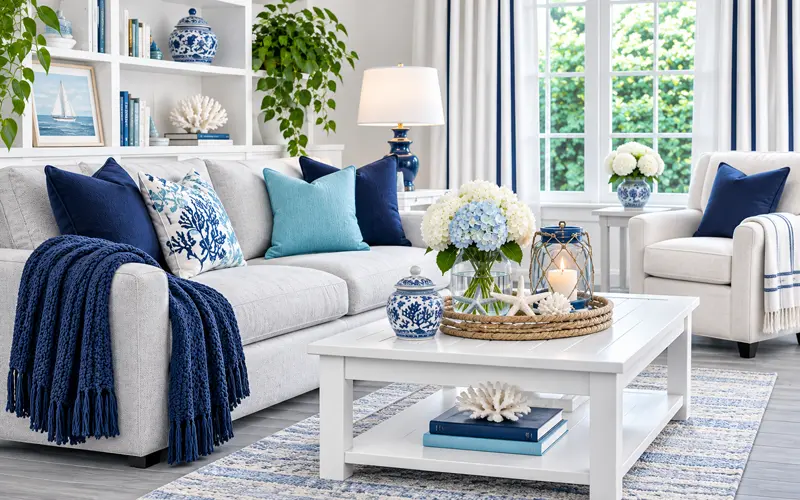
A beautifully decorated living room should be just as functional as it is inviting. Even a thoughtfully furnished space can present everyday challenges when the coffee table obstructs a walkway, children’s toys accumulate beside the television, or an attractive accent chair proves uncomfortable.
Creating a more functional living room doesn’t necessarily require additional square footage or an expensive makeover. The most effective practical living room decorating ideas begin with understanding how your household uses the space. Thoughtful adjustments to furniture placement, storage, lighting, and decorative elements can create a welcoming environment that accommodates everything from quiet evenings and family movie nights to entertaining guests.
Plan the Layout Around Everyday Habits
Before rearranging furniture, consider how your living room is used throughout a typical week. Children may need space for homework or play, pets may gravitate toward sunny areas, and family members may regularly pass through the room to access an outdoor living space. These everyday habits should influence the layout just as much as aesthetics.
Begin by evaluating the pathways between doorways, seating areas, and windows. Moving the sofa away from a doorway or replacing a bulky side table can improve circulation without significantly altering the room’s appearance.
Consider the following when arranging your living room furniture:
- Angle accent chairs toward the sofa to encourage conversation.
- Provide unobstructed views of the television for family movie nights.
- Position side tables within comfortable reach of primary seating areas.
- Replace oversized coffee tables with smaller, more versatile alternatives when space is limited.
- Position reading chairs near natural light or dedicated task lighting.
- Keep children’s toys and activities close to accessible storage.
If the living room opens onto a backyard or patio, maintain a clear pathway, particularly when entertaining or carrying food and drinks outside. A well-planned layout should complement your household’s routines rather than require everyone to adapt to the furniture arrangement.
Incorporate Functional Window Treatments
Windows deserve the same attention as furniture placement. Consider whether nearby furniture obstructs curtains, whether direct sunlight creates glare on the television, and how easily privacy can be adjusted throughout the day.
Functional design should extend to your windows, too. Options such as wave heading curtains from Terrys create regular folds and move along a track, making them worth considering for frequently used living spaces. Measure carefully and consider where the fabric will gather when open to ensure it doesn’t crowd the window or surrounding furniture.
Choose Furniture That Can Handle Family Life
Furniture should offer a balance of comfort, durability, and visual appeal. A deep sofa may be ideal for lounging but less comfortable for shorter guests who prefer to sit upright. When selecting seating, consider seat depth, back support, and how different members of the household will use each piece.
Upholstery maintenance is equally important. Removable, washable covers can simplify cleaning, while tightly woven fabrics may be easier to vacuum than heavily textured materials. Always review the manufacturer’s cleaning instructions before treating spills or using a damp cloth.
Multifunctional furniture can also make a living room more adaptable. An upholstered ottoman can serve as a footrest, additional seating, or a coffee table when paired with a decorative tray. In smaller rooms, a pair of movable side tables may provide greater flexibility than a large, fixed coffee table.
Give Everyday Clutter a Place to Go
An organized living room begins with storage that is convenient enough to use consistently. Everyday belongings often accumulate simply because they lack a designated place. Incorporating storage near the areas where items are regularly used makes maintaining an orderly space considerably easier.
| Everyday Items | Practical Storage Solutions |
|---|---|
| Blankets and throws | Decorative baskets beside the sofa |
| Children’s toys | Accessible bins near play areas |
| Chargers and game controllers | Drawers or decorative lidded boxes |
| Books and photographs | Open shelving or bookcases |
| Less frequently used belongings | Cabinets or higher shelves |
Combining concealed storage with open shelving creates a balance between functionality and decorative appeal. Closed cabinets minimize visual clutter, while open shelves provide opportunities to display meaningful accessories, favorite books, and family photographs.
For households with children, straightforward storage solutions are often more effective than complicated organizational systems. Accessible baskets and generously sized bins encourage participation in everyday cleanup.
Layer Lighting for Different Times of Day
A single overhead light rarely provides the versatility needed in a multifunctional living room. Combining ambient lighting with strategically positioned floor and table lamps allows the atmosphere to be adjusted throughout the day.
Warm, comfortable lighting creates a relaxing environment in the evening, while brighter task lighting is better suited to reading, drawing, or working on puzzles. A floor lamp beside a reading chair and a table lamp near the sofa can provide sufficient illumination without relying entirely on ceiling fixtures.
Consider outlet locations when arranging furniture, position lighting to minimize television glare, and keep electrical cords away from walkways or areas where children and pets could pull on them.
Add Personality Without Adding More Work
Decorative elements give a living room character and help create a sense of connection to the people who live there. Framed family photographs, favorite books, and artwork collected during travels can introduce personality without overwhelming the space. Allowing sufficient room around individual pieces helps each element contribute to the overall design.
An area rug can define the seating arrangement and bring visual cohesion to the room. However, practicality should remain a consideration when selecting materials. Low-pile rugs are generally easier to vacuum and maintain in frequently used living spaces, while an appropriate rug pad can help reduce slipping on smooth flooring.
Complete the room with decorative cushions and throws in complementary colors. Rather than matching every accessory, repeat one or two colors throughout the textiles and decorative accents to create a cohesive appearance that feels natural rather than overly coordinated.
Make Changes You Can Live With
A beautiful living room doesn’t need to remain immaculate to feel inviting. Its design should accommodate the realities of everyday life while providing a comfortable environment for relaxation, family gatherings, and entertaining.
Begin by addressing the challenges that occur most frequently. Clearing a crowded walkway, repositioning a reading lamp, or introducing storage where clutter regularly accumulates can make a meaningful difference. Living with these adjustments before investing in additional furniture allows you to better understand what the space genuinely needs.
Ultimately, a successful living room design is one that balances aesthetic appeal with everyday functionality, creating a space that remains comfortable, welcoming, and practical throughout the years.