
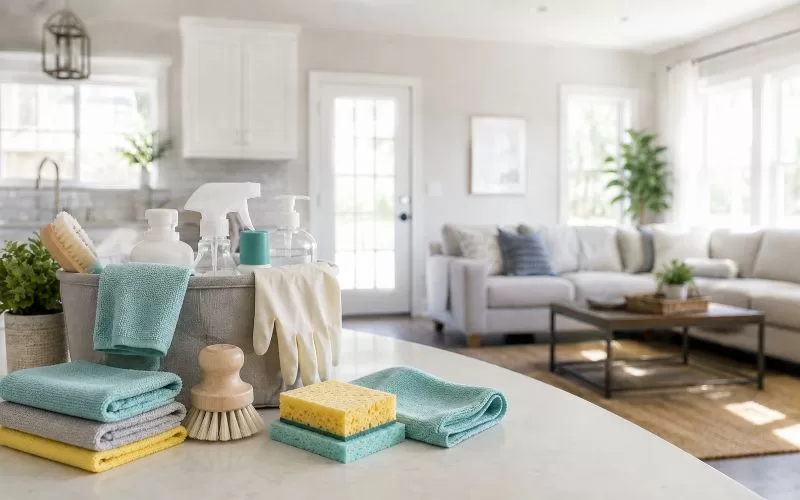
Deep cleaning strategies can make your home feel fresher, healthier, and easier to maintain, especially when regular weekly cleaning is not quite enough. Every day cleaning keeps the counters wiped, dishes done, and floors picked up, but deep cleaning goes after the dust, grime, buildup, and overlooked areas that slowly collect over time.
A healthier home does not have to mean cleaning every corner every single weekend. I like to think of deep cleaning as a reset, not a punishment. I am not trying to scrub every inch of my house every weekend, but I do like having a plan for the areas that get skipped during regular cleaning.
Most of us do not have the time, energy, or desire to live that way. The goal is to know which areas matter most, how often they really need attention, and how to create a simple deep cleaning routine that keeps your home feeling comfortable without becoming overwhelming.
What Is Deep Cleaning?
Deep cleaning goes beyond the basic cleaning you do during the week. It includes the areas that are easy to skip because they are behind furniture, above eye level, under appliances, inside vents, or tucked into corners you do not notice every day.
Regular cleaning might include wiping counters, vacuuming visible floors, cleaning bathrooms, and taking out the trash. Deep cleaning includes things like washing baseboards, cleaning ceiling fans, scrubbing grout, vacuuming under furniture, wiping light switches, cleaning appliance interiors, washing windows, and getting into the little spots where dust and grime quietly settle.
It is also different from simply making a room look tidy. A room can look neat and still have dust on the fan blades, pet hair under the couch, buildup around faucets, or a filter that needs to be changed. Those are the details that can make a home feel cleaner, smell fresher, and be more pleasant to live in.
Why Deep Cleaning Matters for a Healthier Home
A clean home is not just about appearance. Dust, pet dander, pollen, mold spores, and other indoor particles can collect in soft surfaces, vents, corners, and hard-to-reach areas. The EPA notes that biological contaminants can include mold, dust mites, pollen, pet allergens, and other particles that may affect indoor air quality.
That does not mean your home has to be spotless to be healthy. It simply means that certain cleaning habits can help reduce buildup before it becomes a bigger issue. Vacuuming thoroughly, washing bedding, managing moisture, and cleaning high-touch areas can all make your home feel more comfortable.
This is especially helpful if you have pets, live in a humid climate, deal with allergies, or notice that certain rooms always feel dusty. Deep cleaning gives you a chance to reset the space instead of constantly feeling like you are chasing the same mess.
Start With the Areas You Touch Most
One of the easiest ways to make deep cleaning feel more manageable is to start with the surfaces your household touches every day. These areas may not always look dirty, but they collect fingerprints, oils, dust, and germs faster than many other parts of the home.
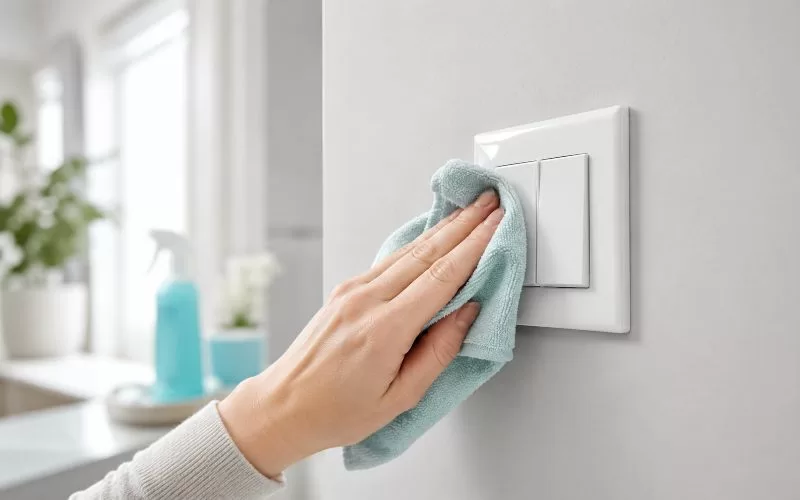
The CDC recommends cleaning high-touch surfaces, such as doorknobs, light switches, counters, and handles, regularly and after visitors. I like this approach because it keeps the focus practical. You do not have to deep clean the entire house at once to make a difference.
Good high-touch areas to include are:
- Door handles and cabinet pulls
- Light switches
- Remote controls
- Appliance handles
- Faucets
- Bathroom counters
- Kitchen counters
- Stair railings
- Phones and frequently used electronics
For most homes, these can be cleaned more often than a full deep clean. A quick wipe-down once or twice a week can help your home feel cleaner between bigger cleaning days.
Pay Attention to Dust Traps
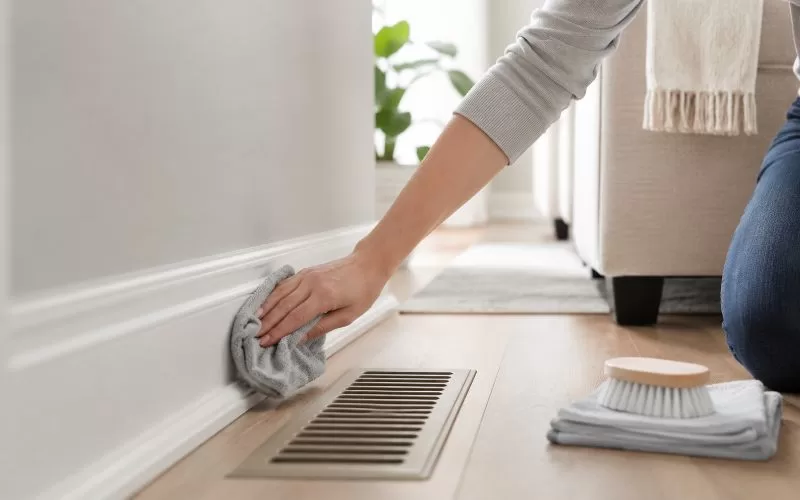
Dust has a way of hiding in places you do not notice until the light hits just right. Ceiling fans, lampshades, baseboards, vents, blinds, and the tops of door frames can all collect dust quietly. Once you start looking for it, you may realize these areas make a bigger difference than expected.
In my own home, I notice the biggest difference when I focus on the spots that collect dust quietly, like ceiling fans, baseboards, vents, and the areas under furniture. Those are the places that can make a room feel cleaner almost immediately. When deep cleaning, work from top to bottom. Dust higher areas first, then move down to furniture, counters, and floors. This keeps you from cleaning the floor first and then knocking dust right back onto it.
If your home always feels dusty, it may also be worth looking at your filters, vents, and flooring. Vacuuming more slowly, using the right attachments, and cleaning under furniture can help. If you use cleaning tools often, something like my EyeVac Touchless Vacuum Review may also be a helpful read for keeping everyday messes under control.
Do Not Ignore Moisture-Prone Areas
Bathrooms, kitchens, laundry rooms, and areas around windows are some of the most important places to deep clean because moisture can lead to mildew, odors, and buildup. In humid homes, this matters even more.
The EPA explains that moisture control is key to mold control. That means cleaning is only part of the solution. You also want to look for slow leaks, poor ventilation, standing water, clogged drains, and areas that stay damp longer than they should.
During a deep clean, take time to check:
- Shower corners and grout
- Around sinks and faucets
- Under cabinets
- Behind toilets
- Laundry room floors
- Window tracks
- AC vents and nearby walls
- Areas around pet bowls or water dishes
If you live in Florida or another humid area, deep cleaning should also include a quick check for mildew around exterior doors, windows, and bathrooms. I also like tying this into seasonal upkeep, similar to the simple ideas in my Florida home maintenance tips article.
Make the Kitchen a Priority
The kitchen usually needs more deep cleaning than most rooms because it is used every day. Food crumbs, grease, spills, and moisture can build up quickly, especially around appliances and cabinets.
A good kitchen deep clean should include wiping cabinet fronts, cleaning the backsplash, degreasing the stove area, cleaning inside the microwave, wiping shelves in the refrigerator, and vacuuming or sweeping under appliances if you can safely move them. The goal is not perfection. It is getting to the hidden areas that regular cleaning skips.
Lighting can also make a big difference in how clean a kitchen feels. Brighter lighting can make food prep and cleaning easier because you can actually see crumbs, smudges, and buildup. If your kitchen always feels dim, my article on soft white vs daylight bulbs may help you decide what type of lighting works best in that space.
Create a Realistic Deep Cleaning Schedule
The biggest mistake people make with deep cleaning is trying to do everything in one day. That may work once in a while, but it is not realistic for most busy households. A better approach is to break deep cleaning into smaller sections.
For the average home, two or three full deep cleans per year may be enough, especially if you keep up with weekly cleaning. A spring clean and a pre-holiday clean are common because they give your home a fresh reset before busy seasons.
If your home gets dusty quickly, you have pets, you live in a humid climate, or you have a lot of people coming in and out, deep cleaning every two to three months may make more sense. You can also rotate rooms instead of doing the entire house at once. One month could be bathrooms and bedrooms, while the next month focuses on the kitchen, living room, and entry areas.
Know When to Call in Help
There is nothing wrong with doing your own deep cleaning, but there are times when calling in help makes sense. Deep cleaning can be physically tiring, and some jobs require more time, supplies, or effort than you may want to spend.
If you are preparing for guests, moving, recovering from a busy season, or simply feeling behind, hiring NYC house cleaners can be a practical way to reset your space. You can still handle your normal cleaning routine while letting professionals take care of the deeper, more time-consuming work.
This can also be a helpful option if you want to alternate between doing it yourself and bringing in help a few times a year. Sometimes getting the house back to a clean starting point makes it much easier to maintain afterward.
Use Deep Cleaning as a Home Check-In
One thing I like about deep cleaning is that it gives you a chance to notice small problems before they become bigger ones. When you move furniture, clean behind appliances, wipe under sinks, or check closets, you may spot leaks, pests, cracks, damp areas, or items that need to be repaired.
I also try to use deep cleaning as a chance to notice small home issues before they turn into bigger projects. When I am cleaning under sinks, around windows, or behind furniture, I am also checking for moisture, dust buildup, loose caulk, or anything that looks off. It makes the whole process feel more useful than just wiping things down.
Deep cleaning is not just about making the house look better for the day. It is about creating a home that feels easier to live in, easier to maintain, and more comfortable over time.
A Cleaner Home Without the Overwhelm
Deep cleaning does not have to be an all-or-nothing project. You can start with the rooms that bother you most, focus on high-touch areas, and slowly work through the spaces that need extra attention.
A healthier home is built through small, consistent habits and the occasional deeper reset. Whether you do it yourself, hire help, or use a mix of both, the goal is to create a home that feels fresh, comfortable, and manageable for the way you actually live.