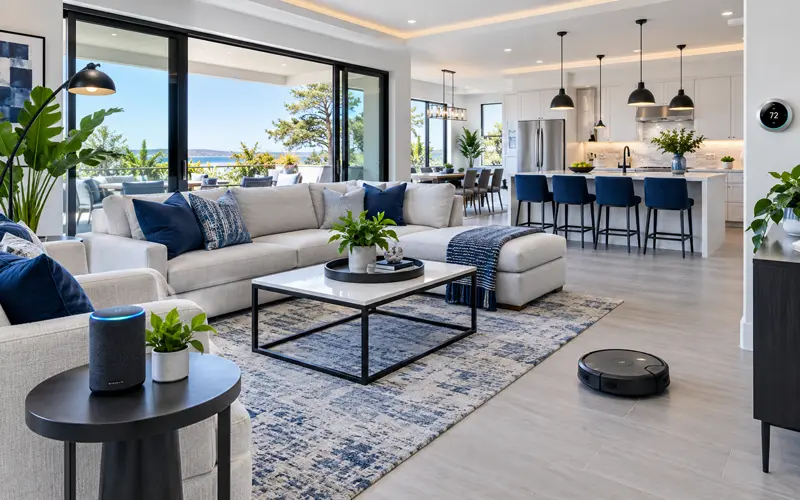
A home used to be considered a smart home if it had a reliable heating system, a decent television, and perhaps a security alarm. Today, everyday objects can connect to the internet, respond to voice commands, and perform tasks automatically. Lights can switch off when nobody is in a room, doorbell cameras can show visitors on a phone, and thermostats can adjust temperatures according to a household’s routine.
These changes are not just about owning the latest gadgets. Smart home devices are gradually changing how people manage their time, organize household tasks, and interact with their living spaces. For some families, the biggest benefit is convenience. For others, it is better control over energy use or greater peace of mind when they are away from home.
The real value comes from choosing technology that solves everyday problems rather than filling a house with devices simply because they are available.
Everyday Tasks Become Easier to Manage
Much of the appeal of smart home technology comes down to saving small amounts of time throughout the day. A smart speaker can provide reminders, set timers, play music, or control compatible appliances through voice commands. Smart plugs can allow certain devices to be switched on or off remotely, while robot vacuum cleaners can handle some routine cleaning with limited supervision.
A few everyday examples show how these features can fit into household routines:
- Arriving home with grocery bags in both hands becomes easier when a voice command can turn on the kitchen lights without searching for a switch.
- Setting a timer to turn off a lamp automatically before bedtime eliminates one small task from the evening routine.
- Scheduling a robot vacuum to clean while everyone is out can help keep floors maintained between regular cleanings.
Individually, these features might seem minor. Together, they can make a household feel easier to manage, particularly for people balancing work, childcare, and other responsibilities. Even simpler solutions, like a touchless vacuum, can make everyday cleaning easier.
However, automation works best when it suits the people using it. A complicated system that requires constant troubleshooting can create more work than it saves.
Smart Technology Can Help Manage Energy Use
Energy costs have encouraged many households to pay closer attention to how they use electricity, heating, and air conditioning. Smart thermostats, connected lighting, and energy-monitoring devices can provide greater visibility into household consumption.
Different devices offer different ways to manage energy use:
| Smart Device | Everyday Benefit |
|---|---|
| Smart thermostats | Adjust heating and cooling schedules around household routines rather than maintaining the same temperature in an empty home. |
| Smart lighting | Automatically turn lights off at scheduled times or when they are no longer needed. |
| Energy-monitoring plugs | Help identify electricity consumption from compatible appliances, including devices that use power while idle. |
The potential savings depend on how these devices are installed and used. A smart gadget does not automatically reduce energy bills, and some connected devices consume power even when they appear idle. The Energy Saving Trust provides information about household energy efficiency and the role technology can play in managing consumption.
The most useful approach is to focus on systems that help control significant energy use rather than buying numerous accessories without a clear purpose. Over time, understanding household energy habits can help people make more informed decisions about heating, cooling, lighting, and appliance use.
Home Security Feels More Accessible
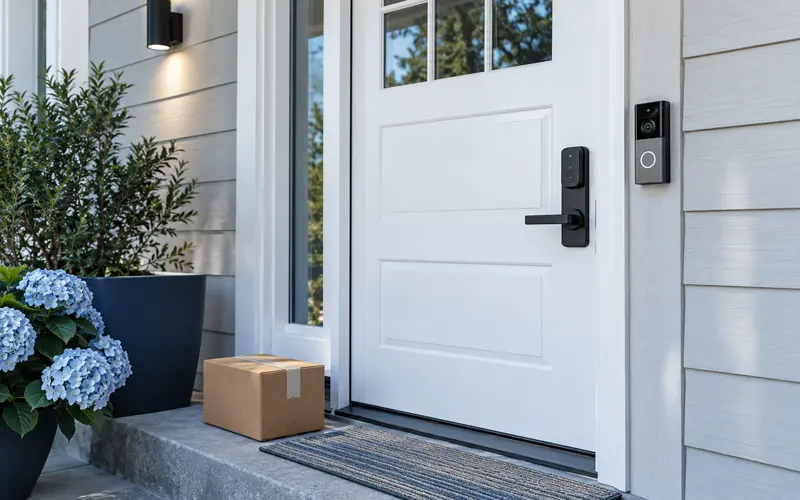
Smart security products have changed the way some households monitor their properties. Connected cameras, video doorbells, motion sensors, and smart locks can provide alerts or allow users to check certain aspects of their home remotely.
For someone expecting a package while at work, a video doorbell may make it easier to see who has arrived. A camera can also help a homeowner check an entrance while away on vacation, provided the device is installed and configured appropriately.
These tools can offer reassurance, but they are not a substitute for sensible security practices. Internet-connected devices may introduce privacy and cybersecurity risks, particularly when users keep default passwords or ignore software updates. The OECD has highlighted both the convenience of smart home products and concerns involving data privacy, security, and compatibility.
Simple Ways to Protect Connected Devices
- Use strong, unique passwords instead of relying on factory-default settings.
- Enable two-factor authentication wherever available.
- Keep device software updated to address security vulnerabilities.
- Review privacy settings and consider whether every room really needs a connected camera or microphone.
Taking these precautions can help households enjoy the convenience of connected security products while reducing unnecessary risks.
Entertainment Is Becoming More Personal
Smart devices have also changed how people enjoy their free time at home. Streaming services, wireless speakers, smart televisions, and voice-controlled assistants allow households to organize entertainment around their preferences.
Someone might use a smart speaker to play a morning playlist, listen to a podcast while cooking, or create a more relaxing atmosphere in the evening with adjustable lighting. Families can also connect compatible devices to create shared entertainment spaces without needing complicated installations.
Yet more technology does not necessarily mean a better experience. Too many apps, subscriptions, and disconnected systems can make entertainment harder to manage. Before buying something new, it is worth checking whether it works with the devices already in the home and whether its features will actually be used.
Sometimes, a straightforward upgrade to an existing television or speaker can be more practical than building an entirely new system.
Choosing the Right Smart Home Devices Matters More Than Buying More
Smart home technology can be tempting because there always seems to be another product promising to make life easier. The challenge is deciding which features are genuinely useful.
Start with a specific problem. If you regularly forget to turn off lights, automated lighting may be worthwhile. If managing the temperature in different rooms is difficult, compatible heating and cooling controls might be a better investment. If your main concern is security, research cameras or sensors that meet your needs without collecting more information than necessary.
Budget also matters. You do not need to replace every household appliance at once to enjoy the benefits of modern technology. Comparing specifications, checking compatibility, and considering pre-owned electronics can help make upgrades more affordable.
For households exploring different technology options, Own4Less is one place to browse when considering products that may suit their needs and budget. The important thing is to compare the condition, specifications, warranty arrangements, and total cost of any item before buying.
A gradual approach gives you time to learn what works before investing in a larger connected system. After all, creating a home you enjoy living in is about making practical choices that fit your household, not simply following the latest trends.
Privacy and Reliability Deserve Attention
Smart devices rely on different combinations of software, internet connections, apps, and cloud services. When everything works as expected, the experience can be convenient. When a network fails or a manufacturer stops supporting a product, some features may become unavailable.
Before purchasing a device, consider the following:
- Check whether essential functions still work without an internet connection.
- Find out how long the manufacturer expects to provide software updates.
- Review the privacy policy, especially for devices that record audio, capture video, or collect information about household routines.
- Confirm compatibility with existing devices, platforms, and connection standards.
Products from different manufacturers do not always work together smoothly, so checking these details before purchasing can prevent unnecessary frustration.
A well-chosen device should make home life simpler, not leave you dependent on several apps that barely communicate with one another.
A Smarter Home Should Still Feel Like Home
The most successful use of smart technology is not necessarily the most impressive. It might be a thermostat that keeps the living room comfortable, a speaker that makes cooking more enjoyable, or a simple automation that saves time every evening.
These devices are most valuable when they fit naturally into existing routines and give people more control over their surroundings. They should support everyday life rather than dictate how a household operates.
As connected technology continues to develop, households will have more choices than ever. Taking time to understand those choices, set a realistic budget, and prioritize genuine needs can help prevent unnecessary spending.
Ultimately, a smart home is not defined by how many gadgets it contains. It is defined by whether the technology makes life more comfortable, manageable, and secure for the people who live there.