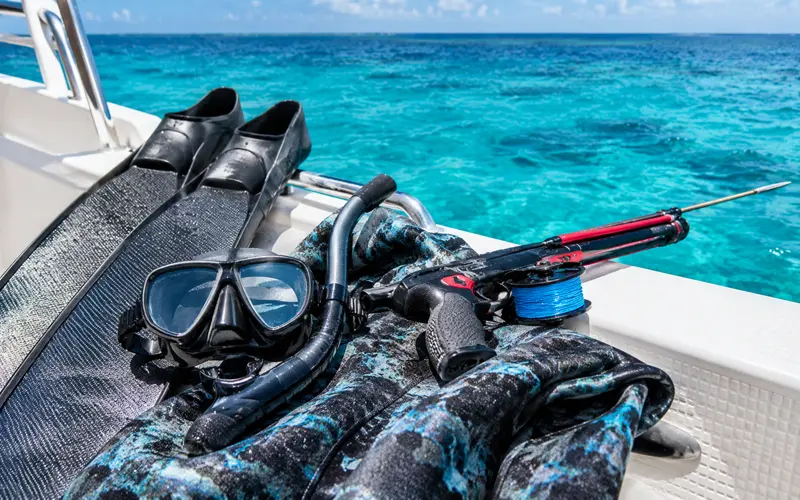
Freediving skills are increasingly valued by underwater fishing enthusiasts, mainly because they help you dive safely, move with less effort, and approach marine life without causing stress to yourself or the environment. Whether you’re hoping to track and observe fish more closely or simply enjoy a more relaxed time beneath the surface, developing efficient breath-hold diving habits is key. If you are interested in spearfishing, mastering these techniques becomes even more important for safety, accuracy, and keeping your experience calm and rewarding.
Relaxation and Breathing Control
Before any dive, good freediving form begins with focusing on relaxation and steady, controlled breathing. Spending a few minutes on calm, diaphragmatic breaths at the surface prepares both your mind and body for the dive ahead. This style of breathing uses your belly rather than shallow chest breathing, promoting full oxygen exchange and a slower heart rate.
Panic or tension, especially just before a dive, can quickly lead to increased air consumption, rushed movements, and reduced visibility. For example, if you become excited after spotting a large fish below the surface, you may burn through your breath-hold much more rapidly, leaving less time to observe or decide on your approach. Practicing relaxation techniques regularly allows you to build confidence and helps you manage the excitement of a promising encounter. Before descending, breathe normally and calmly, avoiding hyperventilation.
Efficient Movement and Streamlined Posture
Once underwater, how you move is just as important as how you breathe. Streamlining your body, keeping your arms close, and facing forward helps you slip through the water with less resistance. Smooth, gentle kicks using long fins while avoiding hurried or erratic movements can conserve energy and reduce disturbance in the environment.
Many beginners use forceful kicks or sudden turns, which not only drains energy but also startles nearby fish. Instead, focus on slow, controlled fin strokes and glide as much as possible. For example, after pushing off a rocky ledge, let your momentum carry you forward for a few meters without kicking, making you less noticeable to fish.
This approach can let you get closer to your target without alarming it, giving you a better opportunity to observe natural fish behavior before making any moves. In spearfishing, staying streamlined is essential for efficiently covering ground and positioning yourself for a responsible shot.
Equalizing Early and Often
Pressure changes can build up quickly even in shallow water, making equalization an essential freediving skill. The most common method is to gently pinch your nose and blow softly, equalizing your ears and sinuses often, ideally before you feel discomfort. Waiting too long or equalizing forcefully can lead to pain or injury. Stop your descent if you cannot equalize comfortably.
One common mistake is to begin equalizing only after discomfort sets in. Practicing small, frequent equalizations as you descend allows you to concentrate on your surroundings, making it easier to remain aware of other divers and fish movements instead of focusing on pain. For instance, start equalizing right as you leave the surface and repeat every half meter of descent. This routine, often practiced during pool sessions with a buddy, improves your ability to respond quickly and safely when diving near reefs or rocky drop-offs.
Approaching Fish and the Art of Stillness
Patience and stillness are often what set skilled underwater hunters apart. As you near the bottom or a structure like a reef, slow your movements further and allow yourself to become almost motionless. Fish are less likely to be scared away by a quiet, stationary figure than a moving silhouette.
Use this pause to assess fish behavior and habitat, waiting for a safe and ethical opportunity if you plan to take a shot. Sometimes, waiting quietly brings curious fish closer, improving your chances of a successful approach or a clearer view of marine life in its natural rhythm.
For example, when you approach a rocky outcrop and remain motionless behind cover, reef fish may swim back into view, allowing for a more thoughtful spearfishing decision. Having your speargun ready only when the right moment presents itself can make your effort safer and more respectful to the marine environment.
Practical Safety Habits for Recreational Spearfishing
Safety should remain at the center of any freediving or spearfishing activity. Keep these practical safety habits in mind:
- Dive with a trained buddy so you can monitor each other’s wellbeing, perform surface check-ins, and assist if needed.
- Establish a system where one diver is always at the surface while the other is submerged, actively watching for potential problems.
- Set conservative limits on your depth and breath-hold time, even in familiar waters.
- Be honest about your energy levels on any given day and avoid pushing limits, as fatigue and overexertion raise the risk of accidents.
Ways to Train and Build Comfort
To improve your freediving skills, try basic in-water drills with a trained buddy and dry land exercises that help build comfort and relaxation:
- Practice calm breathing at the surface without hyperventilating.
- Refine streamlined glides across a pool, focusing on posture and efficiency.
- Rehearse slow, controlled descents in shallow water under appropriate supervision.
- Practice stretching and gentle cardio like swimming or brisk walking.
Gear Choices That Make a Difference
Having equipment that fits comfortably and doesn’t distract you helps keep your mind on technique and surroundings rather than discomfort. Consider the following gear choices:
- A well-fitted mask that does not leak or break your focus.
- A wetsuit suited to the water temperature to reduce unnecessary exertion.
- Properly sized fins to help prevent leg fatigue during longer sessions, especially when moving through currents on a spearfishing outing.
Consistent Technique for a Better Underwater Experience
Focusing on good freediving habits pays off beyond skill or catch rate. When you move purposefully and calmly, you can gain a clearer sense of your surroundings, make smarter decisions, and enjoy the moments beneath the surface. Whether you’re spearfishing or observing marine wildlife, these steady techniques can offer more fulfillment than aiming for extremes or constant competition.