
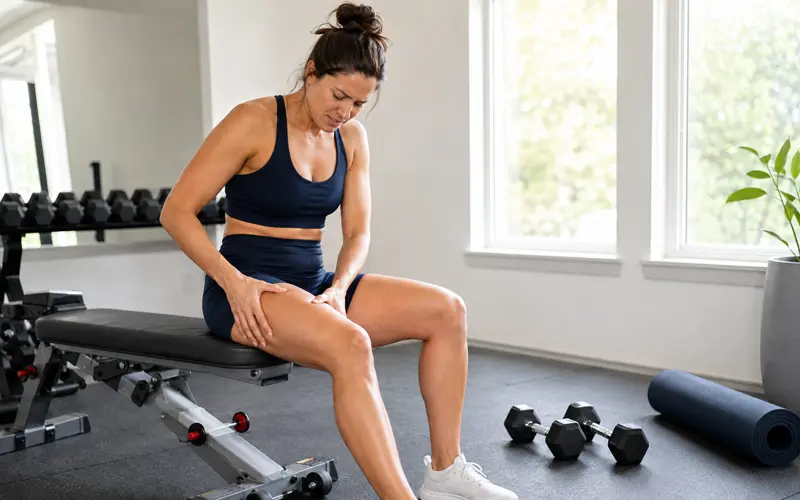
Finishing a workout and feeling reasonably good the next morning can make it seem as though muscle soreness has passed you by. Then the second day arrives, and suddenly sitting down, climbing stairs, or reaching for something feels much more painful than expected. I have experienced that delayed surprise more than once, especially after returning to an exercise I have not done recently or increasing the intensity of a familiar workout.
Having muscles sore two days after a workout is common. This delayed soreness often develops after the muscles are challenged in a new or more demanding way. Although it can be uncomfortable, it usually improves on its own within several days. Understanding why the soreness is delayed can make it easier to recover without fearing it is some type of injury.
Why Muscle Soreness Can Feel Worse on the Second Day
Post-workout soreness does not always begin immediately. According to the Cleveland Clinic, discomfort commonly starts one to three days after strenuous or unfamiliar exercise. This explains why muscles may feel only mildly tired the next morning but noticeably more tender or stiff by the second day.
Exercise places stress on muscle fibers, particularly when the body is asked to perform a movement it has not adapted to yet. That stress can create microscopic damage within the muscle tissue and trigger a temporary inflammatory response as the body begins repairing it. The process takes time, so the discomfort is delayed instead of appearing the moment the workout ends.
The soreness is not caused by lactic acid remaining in the muscles. Lactic acid is cleared relatively quickly after exercise and is associated more with the temporary burning sensation experienced during a challenging set. The stiffness and tenderness felt a day or two later come from the muscle’s response to the workout itself.
Exercises Most Likely to Cause Delayed Soreness
Almost any unfamiliar physical activity can leave muscles sore two days after a workout, but movements that lengthen a muscle while it is under tension are especially likely to cause it. The American College of Sports Medicine explains that these lengthening contractions are commonly associated with post-exercise soreness and a temporary decrease in muscle function.
Examples include:
- Lowering a dumbbell during a biceps curl
- Lowering into a squat
- Controlling the weight on the downward portion of an exercise
- Walking or running downhill
- Stepping down from a bench or platform
- Performing Romanian deadlifts or other exercises that load a muscle in a stretched position
New exercises, heavier weights, additional repetitions, and returning after a break can all increase soreness. Even an activity that does not feel unusually difficult at the time may challenge the muscles differently enough to be felt later.
Soreness Does Not Measure Workout Quality
Muscle soreness can happen after an effective workout, but it is not proof that the workout was better or more productive. It usually indicates that the body encountered an unfamiliar demand. As that movement becomes familiar, the same workout may produce much less soreness even though it continues to build strength and improve fitness.
This is important because chasing soreness can encourage people to add weight, repetitions, or intensity faster than their bodies are ready to handle. A more useful measure of progress is whether strength, control, endurance, or consistency improves over time. Following a structured exercise routine can make those changes easier to recognize without using pain as a scorecard.
I tend to notice the most soreness when I introduce something new, not necessarily when I complete my best workout. That difference is a good reminder that being unable to sit the next day comfortably is not a fitness goal.
Recovery Tips for Sore Muscles
There is no instant method that makes delayed muscle soreness disappear, but several simple habits can make the recovery period more comfortable.
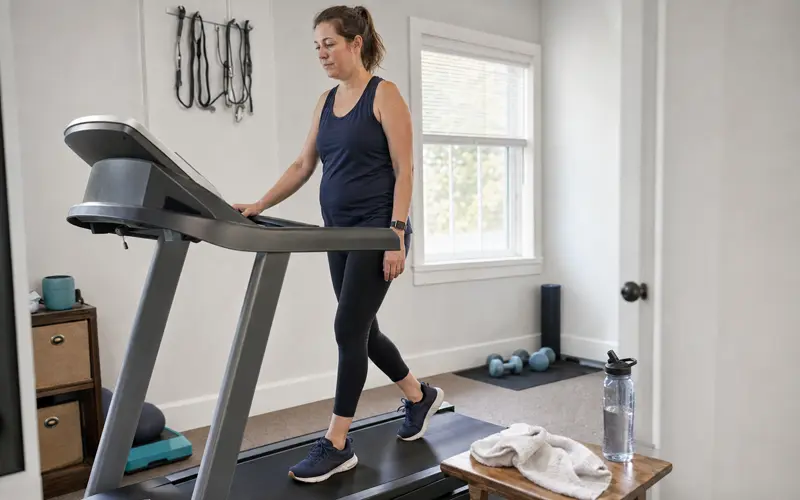
Keep Moving Gently
Complete inactivity can make stiff muscles feel even tighter. Easy walking, gentle cycling, or normal daily movement may help the body loosen up without placing another heavy demand on the sore area. Hospital for Special Surgery notes that low-impact activity may be helpful for sore muscles.
Gentle movement should feel comfortable. It is not necessary to push through a hard workout or repeat the same exercises that caused the soreness.
Give the Sore Muscles Time to Recover
Normal daily use is generally fine, but intensely training the same muscle group while it is very sore can affect form and make the workout less productive. Consider exercising a different area, choosing a lighter activity, or taking a recovery day until movement feels more natural.
Maintaining flexibility and comfortable movement becomes increasingly important over time. Simple habits that support joint health as you age can complement a balanced fitness routine without turning every recovery day into another demanding workout.
Try Heat or Cold for Comfort
Cold may help when soreness is accompanied by minor swelling or feels inflamed, while warmth can be soothing when stiffness is the main complaint. A warm shower, heating pad, or short cold application may provide temporary comfort. Use a barrier between the skin and a heating or cold pack, and avoid extreme temperatures or prolonged exposure.
Eat Enough to Support Recovery
Muscles need adequate nutrition as the body repairs and adapts after exercise. A balanced meal or snack containing protein and carbohydrates can support the recovery process. Protein does not need to come from a supplement; meat, poultry, eggs, dairy, beans, and other everyday foods can all contribute.
For anyone struggling to meet daily needs through regular meals, there are several convenient ways to increase protein intake without completely changing an established eating routine.
Stay Hydrated
Drinking enough fluid supports normal muscle function and replaces water lost through sweat. Hydration will not magically eliminate soreness, but being dehydrated can make the entire recovery period feel worse. Water is usually sufficient after an ordinary workout, while longer or particularly sweaty sessions may require additional attention to fluids and electrolytes.
Prioritize Sleep
Recovery continues after the workout ends, and sleep gives the body time to carry out many of its normal repair processes. A consistent sleep routine is more useful than searching for one perfect recovery product. The broader health benefits of getting enough sleep also support energy, focus, and the ability to return to exercise feeling prepared.
Use Massage or Foam Rolling Carefully
Light massage or foam rolling may temporarily reduce the feeling of tightness. Pressure should remain tolerable and controlled. Aggressively rolling an already painful area is unlikely to speed recovery and may leave it feeling more irritated.
Working Out With Sore Muscles
Whether to exercise again depends on the severity and location of the soreness. Mild tenderness that improves after warming up may be compatible with light activity or a workout targeting a different muscle group. More significant soreness that limits range of motion, changes the way you walk, or causes you to compensate during an exercise is a good reason to reduce the intensity or rest.
Form matters more than completing a workout simply because it appears on the schedule. If soreness prevents safe, controlled movement, waiting another day is usually the more productive choice.
Reducing Severe Soreness After Future Workouts
Some soreness is difficult to avoid when trying a new activity, but it does not have to be extreme. The most practical approach is to increase exercise gradually rather than changing weight, repetitions, duration, and frequency all at once.
Helpful habits include:
- Begin new exercises with a manageable weight and volume
- Add repetitions or resistance gradually
- Warm up with a few minutes of easy movement and lighter practice sets
- Use controlled form throughout each repetition
- Avoid suddenly repeating a demanding workout after a long break
- Schedule recovery time between challenging sessions for the same muscles
Consistency also helps. When the body regularly performs a movement, it adapts, and the same workout generally produces less soreness over time.
Normal Muscle Soreness Versus a Possible Injury
Ordinary post-workout soreness usually feels like a dull ache, tenderness, or stiffness in the muscles used during exercise. It may make certain movements uncomfortable, but it should gradually improve over the following days.
Pain deserves more caution when it is sharp, sudden, constant, centered in a joint, or severe enough to prevent normal movement. Significant swelling, redness, numbness, unusual weakness, or pain that continues to worsen may also point to something other than routine soreness. The MedlinePlus guidance on muscle aches recommends contacting a healthcare provider for severe or unexplained pain and soreness accompanied by swelling or redness.
Dark-colored urine combined with severe muscle pain, swelling, or weakness requires prompt medical attention because it can be a sign of a rare but serious condition involving muscle breakdown. Pain after a fall, sudden pop, or other clear injury should also be evaluated rather than treated as ordinary workout soreness.
Allow Recovery to Be Part of the Workout
Muscle soreness two days after a workout can feel surprisingly intense, but the delayed timing is usually a normal response to new or strenuous exercise. Gentle movement, adequate rest, balanced nutrition, hydration, and sleep can make the recovery period easier while the body adapts.
The goal is not to eliminate every trace of soreness or prove that a workout was difficult enough. A sustainable fitness routine leaves room for both effort and recovery, allowing strength and confidence to build without treating pain as the measure of success.
Disclaimer: This article is for general informational purposes and is not a substitute for medical advice, diagnosis, or treatment. Contact a qualified healthcare professional if muscle pain is severe, unusual, worsening, or accompanied by other concerning symptoms.