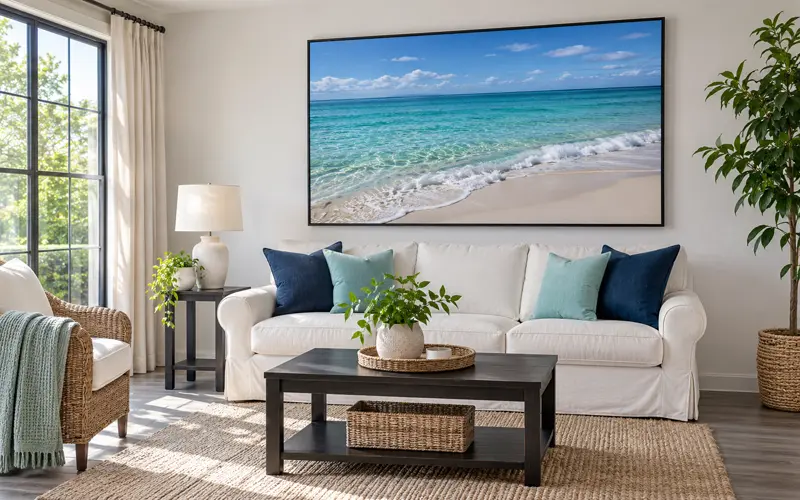
Coastal wall art has long appealed to homeowners seeking to bring the atmosphere of the ocean into their living spaces. From dramatic photographs of crashing waves to abstract compositions inspired by shifting tides, marine imagery offers a broad range of artistic possibilities. While both styles draw inspiration from the same natural environment, they differ significantly in their visual language, emotional impact, and relationship with interior design.
Ocean photography emphasizes recognizable landscapes and fleeting natural moments, while abstract seascapes interpret the coast through color, texture, and artistic expression. Understanding these differences can help homeowners make more informed decisions about the artwork they choose to display.
Understanding Ocean Photography and Abstract Seascapes
Ocean photography is rooted in the observation and documentation of natural environments. Photographers use composition, lighting, perspective, and timing to capture coastal scenes as they appear at particular moments. Their subjects may include breaking waves, quiet beaches, rocky shorelines, distant horizons, or subtle patterns created by the movement of water.
Although editing techniques can influence color, contrast, and atmosphere, the underlying image generally retains a recognizable connection to a real location. This gives photographic coastal artwork a strong sense of authenticity and geographical identity. Viewers can often imagine themselves standing within the scene, experiencing the surrounding landscape firsthand.
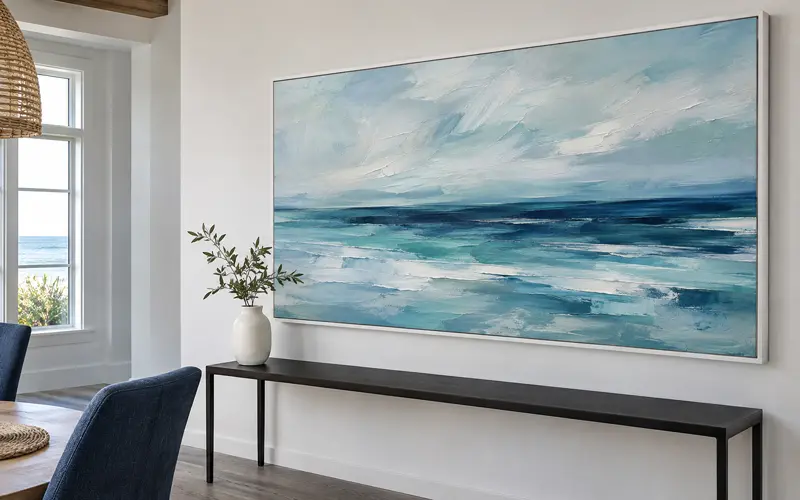
Abstract seascapes approach the ocean from a more interpretive perspective. Instead of depicting marine environments with literal accuracy, artists translate their visual and emotional qualities into color, shape, texture, and movement. A painting composed of broad blue and white brushstrokes may suggest waves without representing individual forms of water. Layered pigments and irregular lines can communicate the changing rhythm of tides, while muted gradients may evoke the transition between sea and sky.
This approach allows artists to emphasize feelings associated with coastal environments rather than their precise physical characteristics. As a result, abstract seascapes frequently invite viewers to develop personal interpretations of what the artwork represents.
The boundary between these two approaches is not always clearly defined. Long-exposure ocean photography can produce smooth, atmospheric images that resemble abstract paintings, particularly when moving water becomes blurred into soft tonal transitions. Similarly, an abstract seascape may incorporate recognizable horizons or wave formations while simplifying other elements of the landscape.
Connecting Your Home to the Coast
One of the strongest qualities of ocean photography is its ability to establish a connection between an interior and a recognizable natural setting. A carefully composed photograph can transport viewers to a quiet shoreline, a rugged cliffside, or an expansive tropical beach. These images often evoke experiences associated with travel, relaxation, solitude, and personal memories.
For someone who regularly visits the coast, a photograph may recall familiar landscapes and meaningful moments spent near the water. Even without a personal connection to the location, viewers can appreciate the sense of openness and distance created by a well-executed coastal image. This ability to make distant environments feel accessible is an important reason photography remains a popular approach to marine-inspired wall art.
A photograph of calm water beneath a pale sky creates a very different impression from an image of powerful surf breaking against dark rocks. Choices involving subject matter, color intensity, perspective, and overall composition can substantially alter how artwork interacts with a room.
For homeowners comparing these styles, specialized art marketplaces provide a practical way to evaluate coastal subjects across different materials and artistic treatments. One example is iCanvas, an online wall art marketplace. The marketplace’s selection of coastal wall art offers opportunities to compare realistic shoreline photography with abstract interpretations of ocean landscapes.
Abstract Seascapes in Contemporary Interiors
Abstract seascapes offer an alternative to realistic coastal imagery by emphasizing the ocean’s visual qualities without reproducing its physical details. This makes them particularly compatible with contemporary interiors, where restrained compositions and thoughtful color relationships often take precedence over decorative themes.
Instead of displaying a recognizable beach or shoreline, a homeowner might choose a composition featuring layered blues, softened whites, and warm neutral tones. These colors can suggest a marine environment while remaining closely connected to the surrounding furniture and architectural finishes. The artwork introduces coastal influence without requiring the entire room to adopt a seaside aesthetic. This flexibility is especially valuable in homes where personal style combines elements from several design traditions.
The expressive nature of abstract artwork also creates opportunities to communicate different emotional aspects of the ocean. Broad horizontal forms may establish a sense of calm and stability, while energetic brushwork can convey movement and unpredictability. Some artists use thick applications of paint to suggest the physical force of waves, while others rely on transparent layers to evoke mist, reflection, or shallow water.
These techniques allow the artwork to communicate an atmosphere rather than describe a particular place. Viewers may interpret the same composition differently depending on their experiences, memories, and emotional responses. This openness can encourage a more sustained relationship with the artwork, as its meaning remains adaptable rather than fixed.
Abstract seascapes can also help resolve common challenges in interior design. Rooms containing patterned upholstery, distinctive architectural details, or multiple decorative objects may not benefit from an additional highly detailed image. A simplified abstract composition can introduce color and movement without competing with existing visual elements. Conversely, a large abstract work with strong contrast can become the primary focal point in an otherwise minimal space. Designers can use its colors to connect furnishings, textiles, lighting, and decorative accessories into a coherent arrangement.
The Influence of Color and Composition
Color is one of the most important factors shaping how coastal artwork affects the atmosphere of a room. Ocean photography typically reflects the natural palette of its subject, although lighting conditions and photographic editing can significantly influence the final appearance.
Tropical images may feature saturated turquoise water, bright white sand, and vivid blue skies, creating an energetic and inviting atmosphere. Photographs of northern coastlines may emphasize slate gray, deep blue, and subdued green, producing a more contemplative visual effect. Abstract seascapes can draw from these familiar palettes while allowing artists greater freedom to simplify or exaggerate particular colors. Consequently, two artworks inspired by similar coastal environments may create entirely different emotional impressions.
Composition plays an equally significant role in determining how artwork interacts with surrounding spaces. Photographic seascapes often use recognizable elements such as horizon lines, shorelines, or rock formations to establish perspective and visual structure. A low horizon can emphasize the openness of the sky, while a higher horizon directs attention toward the surface of the water.
Abstract seascapes may use comparable horizontal arrangements, but they can also introduce unconventional shapes, fragmented forms, and asymmetrical compositions. These techniques influence how viewers move their attention across the artwork and interpret its visual balance. When choosing coastal wall art, homeowners should consider how the composition relates to nearby furniture, windows, and architectural proportions.
Texture and Artistic Technique
Texture introduces another important distinction between ocean photography and abstract seascapes. Photographic images can reveal intricate natural details, including the foam of breaking waves, reflections on wet sand, or the irregular surfaces of coastal rocks. High-resolution photography preserves these details with considerable precision, creating a realistic impression of the physical environment.
However, the texture visible within a photograph is generally represented visually rather than physically reproduced on the artwork’s surface. The actual surface characteristics depend on the printing method and material used for display. This distinction becomes particularly noticeable when comparing photographic prints with original paintings or textured reproductions.
Abstract seascapes frequently use texture as an expressive component of the composition itself. Artists may apply thick layers of pigment, scrape paint across a surface, or incorporate materials that create irregular patterns and dimensional effects. These techniques can suggest the movement of waves, the roughness of coastal landscapes, or the shifting relationship between water and light.
The resulting artwork may have a physical presence that changes depending on the direction and intensity of surrounding illumination. Even when displayed as a reproduction, visible brushwork and layered colors can retain some of the original composition’s tactile character. Buyers should nevertheless understand that a printed image of textured paint does not necessarily reproduce the physical depth of the original artwork.
Choosing Coastal Artwork for Different Rooms
- Living rooms provide opportunities for both ocean photography and abstract seascapes because they typically accommodate larger artworks and more expressive decorative choices. A panoramic coastal photograph can create the impression of additional depth, particularly when positioned above a sofa or along a prominent wall. Images featuring expansive horizons can make a room feel more open by directing attention beyond the immediate interior. Abstract seascapes offer a different advantage by connecting colors and materials already present in the space. A composition featuring muted blues, warm whites, and subtle gray tones may complement neutral furniture without introducing excessive visual detail. The choice should reflect whether the living room would benefit more from a recognizable landscape or an expressive arrangement of colors and forms.
- Bedrooms generally require greater attention to the emotional atmosphere created by artwork. Many homeowners favor coastal imagery in these spaces because the ocean is associated with calm, openness, and relaxation. Photographs of quiet beaches, gentle tides, or softly illuminated horizons can support this atmosphere through recognizable natural scenes. Abstract seascapes with blended colors and restrained compositions may achieve a similar effect without depicting a specific location. However, both approaches can also introduce visual intensity when they feature dramatic contrast, energetic movement, or saturated colors. Selecting artwork for a bedroom therefore requires considering the overall mood of the individual piece rather than assuming that every ocean-inspired image will feel peaceful.
- A photographic shoreline in a home office can provide a visually engaging focal point during breaks from concentrated work. Abstract seascapes may be particularly effective in professional environments where understated colors and simplified compositions reinforce a polished aesthetic.
- Dining rooms can accommodate more dramatic artwork, including large photographs of powerful waves or expressive abstract compositions with pronounced texture.
- Hallways and entryways often benefit from carefully scaled pieces that introduce visual interest without overwhelming limited wall space.
Size and Framing
The size of a coastal artwork has a substantial influence on its visual impact. Large ocean photographs can create an immersive experience by allowing viewers to appreciate the breadth of a shoreline or the scale of an approaching wave. Their effectiveness often depends on whether the image retains sufficient detail and clarity at the selected dimensions.
Abstract seascapes can also benefit from generous proportions, particularly when their compositions involve broad fields of color or expressive movement. Smaller artworks offer a different experience, encouraging closer viewing and making them suitable for compact rooms, narrow walls, or curated gallery arrangements. Choosing the right dimensions requires evaluating the available wall space in relation to furniture and surrounding architectural features.
Framing decisions can significantly influence the perceived style of coastal wall art. A thin black frame may give ocean photography a crisp, contemporary appearance, while a natural wood frame can establish a warmer relationship with organic interior materials. White frames often suit lighter coastal palettes, particularly in rooms emphasizing simplicity and natural illumination.
Abstract seascapes may benefit from floating frames that create a subtle separation between the artwork and its surroundings. Frameless presentations can also be effective when the goal is to emphasize uninterrupted color or an expansive composition. These choices should be guided by the artwork’s characteristics and the room’s overall design rather than by assumptions about traditional coastal decoration.
Choosing a Display Material
Display materials introduce further differences in how photographic and abstract imagery is perceived.
- Canvas can create a softer presentation with relatively subdued reflections, making it suitable for many coastal compositions.
- Fine art paper may preserve delicate tonal transitions and photographic details, particularly when paired with appropriate framing and glazing.
- Acrylic glass can provide a sleek, contemporary appearance, although its reflective qualities require careful consideration of room lighting.
- Metal prints may offer strong color definition and a modern finish.
- Wood can contribute a distinctive material character depending on the printing process.
Natural and Artificial Lighting
Lighting can dramatically influence the appearance of coastal wall art, particularly when images contain subtle changes in color and contrast. Natural daylight often reveals the fine details of photographic seascapes, including reflections, cloud formations, and patterns on the water’s surface. However, excessive direct sunlight may cause glare and can contribute to fading or deterioration over time, depending on the artwork’s materials and protective finishes.
Abstract seascapes respond to daylight through their color relationships, visible brushwork, and surface characteristics. A composition dominated by cool blues may look noticeably different under warm afternoon light than it does during the morning. Understanding these variations can help homeowners choose locations where the artwork will maintain a satisfying appearance throughout the day.
Artificial lighting provides greater control over how artwork is experienced during evening hours. Directional fixtures can emphasize the details of photographic images and improve the visibility of compositions containing darker tones. Abstract paintings with physical texture may benefit from carefully positioned lighting that creates subtle highlights and shadows across the surface.
At the same time, strong illumination can produce distracting reflections on glossy materials or artwork displayed behind glass. The color temperature of artificial light also affects how marine palettes are perceived, with warmer lighting potentially softening cool blues and greens. Homeowners should consider these effects when selecting both artwork and lighting fixtures for rooms where coastal imagery plays a prominent decorative role.
The position of artwork relative to windows and other light sources is equally important. A photograph placed opposite a large window may experience reflections that interfere with its visual depth, particularly when displayed beneath glossy glazing. A matte-finished abstract seascape may be easier to view under similar conditions, although its appearance can still change as daylight shifts.
Creating a Coastal Interior
Coastal design has traditionally been associated with recognizable decorative elements such as nautical stripes, seashells, anchors, and weathered wooden accessories. While these details can contribute to a particular seaside aesthetic, contemporary interiors often adopt a more restrained interpretation of coastal living. Rather than relying on obvious references, designers increasingly emphasize natural materials, soft colors, open space, and an abundance of light.
Ocean photography can support this approach by introducing a single recognizable view of the coastline without requiring additional nautical decorations. Abstract seascapes offer an equally effective alternative by communicating marine influences through color and movement. Both approaches demonstrate that coastal-inspired interiors can remain sophisticated without becoming overly thematic.
Material selection plays a major role in establishing this balance. Linen upholstery, pale oak flooring, natural stone, woven textiles, and softly textured surfaces can complement artwork inspired by the ocean. A photograph featuring warm sand and subdued blue water may connect naturally with neutral fabrics and wooden furniture. An abstract seascape containing similar tones can create continuity while allowing other decorative features to retain their individuality.
The objective is not to match every object to the artwork but to establish subtle relationships throughout the room. Repeating selected colors and textures can produce a cohesive atmosphere without making the space feel excessively coordinated.
Mixing photographic and abstract coastal artwork can also create a layered interior that avoids visual monotony. A living room might feature a large photograph of a distant shoreline, while a nearby hallway displays abstract compositions inspired by ocean movement. The different styles can remain connected through complementary palettes, consistent framing, or recurring horizontal forms.
This approach allows homeowners to explore multiple interpretations of the sea without committing to a single decorative language. However, maintaining balance is important because too many visually dominant pieces can compete for attention. A thoughtfully arranged collection gives individual artworks room to express their character while contributing to a broader coastal atmosphere.
Choosing Artwork for Long-Term Display
Practical durability is another important factor when evaluating artwork intended for long-term display. Photographic prints and reproductions vary in quality depending on the inks, pigments, substrates, and finishing processes used in their production. Original paintings may require different care considerations, particularly when their surfaces contain delicate textures or mixed-media materials.
Exposure to strong sunlight, excessive humidity, and substantial temperature fluctuations can affect the condition of many artworks over time. Buyers should review available care instructions and consider the environmental conditions of the intended display location before making a purchase. Attention to these details can help preserve the artwork’s appearance and ensure that it remains a satisfying part of the home for years to come.
A photograph of a familiar beach may continue to evoke positive associations even after surrounding furniture and colors have been updated. Comparing potential selections at their intended sizes can reveal differences that are difficult to judge from small digital previews. The most effective choice reflects both the character of the room and the personal associations a homeowner brings to coastal imagery.