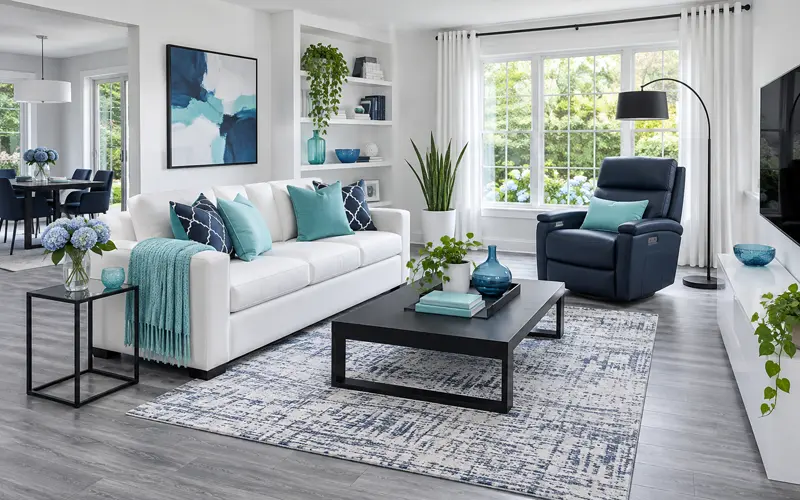
The living room does more work than almost any other space in the home. It is where you unwind after a long day, host friends on the weekend, watch movies with the family, and sometimes even answer a few emails. Because it has to handle so much, a good living room needs to feel relaxing while still working smoothly for everyday life. The good news is that you do not need a full renovation to get there. With a few thoughtful choices about furniture, layout, lighting, and details, you can shape a room that feels as good as it looks.
Start With How You Actually Use the Room
Before buying anything or moving a single chair, think honestly about how your household spends time in this space. A family that gathers every night for television needs something very different from a couple who mostly entertain guests or read quietly in the evenings. Make a short list of the main activities, such as:
- Watching TV
- Conversation
- Reading
- Kids playing
- Working from a laptop
That list becomes your guide. It tells you how much seating you need, where the focus of the room should be, and which zones deserve the most space. When you design around real habits instead of a magazine photo, the room ends up being used and enjoyed rather than admired from the doorway.
Choosing the Right Furniture
Furniture sets the tone for both comfort and function, so it is worth choosing carefully. Start with scale. A huge sectional can swallow a small room, while a tiny loveseat can look lost in a large open space. Measure the room and sketch a rough plan, leaving enough space to walk comfortably around every piece.
Next, think about materials. Performance fabrics and tightly woven upholstery hold up well to kids, pets, and daily use, while leather is easy to wipe clean and tends to age gracefully. Look for solid frames, supportive cushions, and seat depths that suit the people who will actually sit there. Taller family members often prefer deeper seats, while shorter ones may find a shallower seat easier to get in and out of.
Finally, mix your pieces with purpose. A main sofa, one or two accent chairs, and a few flexible pieces like ottomans or poufs give you plenty of seating without making the room feel crowded.
Incorporating Recliners Into the Space
Recliners have come a long way from the bulky, overstuffed chairs many of us remember. Today’s designs come in clean, modern shapes that blend in easily with the rest of the room, which makes them a smart way to add real comfort without sacrificing style. For households that love long movie nights or simply need a place to unwind after work, motorized reclining sofas let everyone settle back with a single press of a button, with no lever to pull and no extra effort needed.
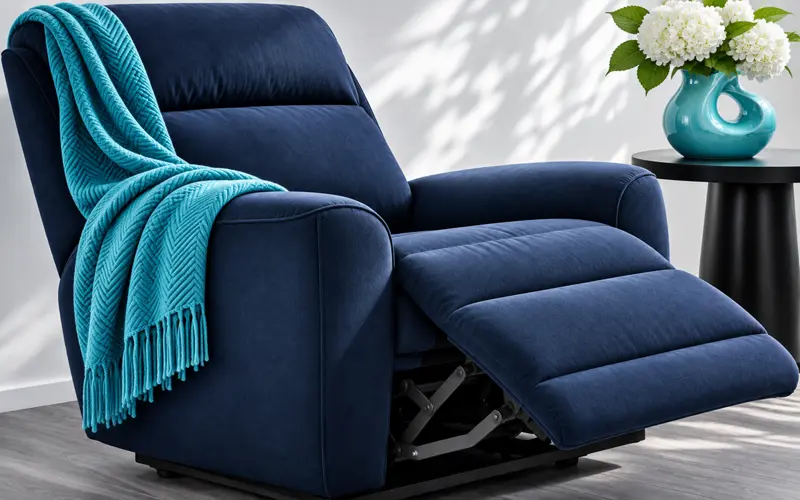
Placement matters with any recliner. Most need some clearance behind them to recline fully, although wall-hugger designs need only a few inches. Make sure the footrest has room to extend without bumping into a coffee table, and keep walkways clear of the open position. If you choose a powered model, plan its spot near an outlet and route the cord along the wall, keeping it out of walkways. A recliner works best facing the main focal point of the room, whether that is the TV, a fireplace, or a window with a view.
Arranging a Layout That Flows
A comfortable room is easy to move through. Begin by choosing a focal point and arranging the main seating around it. From there, create a conversation area where seats face each other or sit at gentle angles, ideally within eight to ten feet so people can talk without raising their voices.
Leave clear paths of about three feet for walking, especially between doorways. Avoid pushing every piece of furniture against the walls. Pulling the sofa forward a little, or floating it in the middle of a large room with a console table behind it, often makes the space feel warmer and more connected. In open-plan homes, a large area rug can anchor the living zone and separate it visually from the dining or kitchen area.
Layering Your Lighting
Lighting can change the entire mood of a living room, yet it is often an afterthought. Instead of relying on one overhead fixture, use three layers:
- Ambient lighting, such as ceiling lights or recessed fixtures, provides overall brightness.
- Task lighting, like a floor lamp beside a reading chair or a table lamp next to the sofa, helps with specific activities.
- Accent lighting, including picture lights or LED strips on shelves, adds depth and character.
For an open-plan home, a dining room lighting fixture can also help tie nearby spaces together.
Dimmer switches are a simple upgrade that make a big difference, letting you shift from bright daytime energy to a soft, cozy glow in the evening. During the day, make the most of natural light with sheer curtains or light-filtering blinds that brighten the room while still offering privacy.
Building in Smart Storage
Clutter is one of the fastest ways to make a living room feel less relaxing. Remotes, chargers, magazines, toys, and blankets all need a home. Look for furniture that does double duty, such as storage ottomans, coffee tables with drawers or lower shelves, and media consoles with closed cabinets.
Baskets on open shelves keep small items organized while adding texture, and a slim side table with a drawer next to each main seat puts essentials within easy reach. When everything has a place, tidying up takes minutes instead of an hour, and the room stays ready for both quiet nights and surprise guests.
Adding Textiles and Personal Touches
Soft layers are what turn a functional room into a comfortable one. A good rug adds warmth underfoot and helps with echo in rooms with hard floors. Throw pillows and blankets invite people to curl up, and they are an easy way to refresh the look of the room with each season.
Finish with pieces that reflect who you are. Family photos, artwork from a favorite trip, books you actually love, and a few healthy plants make the space feel lived in and personal. Aim for a balance between style and ease, choosing things you enjoy seeing every day without filling every surface. A few simple habits can also help keep home decor fresh and clean.
Bringing It All Together
A comfortable and functional living room does not come from following strict rules. It comes from understanding how you live and choosing furniture, layout, lighting, and details that support those habits. Start with the activities that matter most, choose seating that truly fits your household, arrange the room so it flows, and layer in light, storage, and texture. Do that, and you will end up with a space that welcomes you home at the end of every day