Why Structure Makes Exercise Feel More Doable
Because I work with numbers every day, measurable progress has always been motivating to me. I like being able to see what I have done, where I am improving, and how small efforts add up over time. That is one of the reasons structured exercise appeals to me, especially when the structure feels realistic rather than rigid.
Structured exercise does not have to mean following a strict routine that leaves no room for real life. It can simply mean having a plan you can return to, even when your week does not go exactly as expected. Instead of making fitness feel overwhelming, a little structure can make exercise feel more approachable and easier to maintain.
A good routine should give you direction without making you feel trapped by it.
What Structured Exercise Really Means
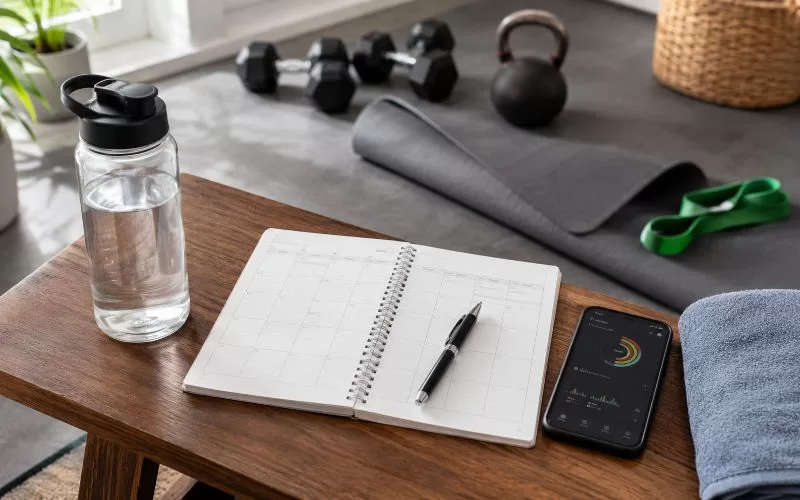
Structured exercise is not about working out at the exact same time every day or following a complicated schedule perfectly. It is more about deciding how many days a week you want to move your body and having a general idea of what those workouts might include. That kind of plan helps remove some of the decision-making that can make exercise feel harder to start.
For me, a realistic weekly routine might include:
- A leg day
- A back and biceps day
- A cycling workout
- A rowing session
- A lighter movement day, such as stretching or Beat Saber
This type of structure creates a rhythm without requiring perfection. Some weeks may follow the plan closely, while others may require swapping days or adjusting the workout based on time, energy, or motivation. The important part is having a flexible framework that keeps you moving forward.
Structured exercise can also involve learning a skill rather than following a traditional gym routine. Ballroom classes, for example, introduce specific steps and techniques that build from one lesson to the next, making progress easier to recognize. For those who decide to continue with ballroom dancing, Ballroom Shoes offers styles designed specifically for ballroom and smooth dance.
Why Tracking Progress Can Be So Motivating
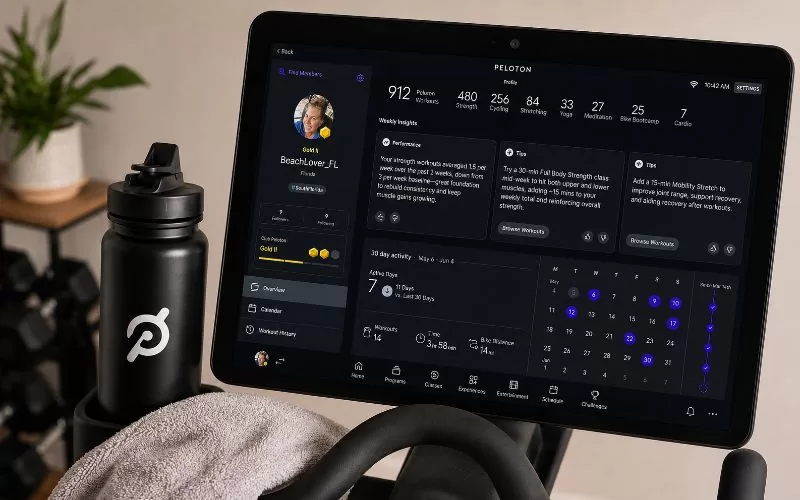
Because I naturally enjoy tracking numbers and progress, I appreciate the way fitness tools can make effort feel more visible. One of the things I love about Peloton is that it tracks workouts, calories burned, achievements, streaks, and progress pages. Those details make consistency easier to see, especially during the times when physical changes may feel slow.
Tracking progress can also help build confidence because it provides evidence that you are showing up. Even when a workout feels difficult or less impressive than you hoped, it still becomes part of the overall record. Over time, that record becomes a reminder of your effort, consistency, and follow-through.
That is one reason the benefits of regular exercise can reach far beyond the workout itself. When you can see your effort adding up, it becomes easier to trust that your small choices are making a difference. That visible progress can be a powerful motivator to keep going.
Morning Workouts and the Power of Starting With a Win
Morning workouts help me feel accomplished before the demands of the day begin. There is something powerful about knowing I have already done something good for myself before work, errands, and daily responsibilities take over. That early sense of accomplishment often carries into the rest of the day.
For me, morning exercise creates a confidence boost because it helps me feel stronger, more focused, and more in control. It is not about completing the most intense workout every time. Sometimes the win is simply making the time, moving my body, and following through on the plan I set for myself.
A morning workout can help create:
- A stronger start to the day
- A sense of accomplishment
- Better energy
- More focus
- A feeling of personal momentum
Of course, the best time to exercise is the time that works consistently for your life. For some people, that may be evenings or lunch breaks. For me, mornings tend to work best because they give me that immediate feeling of progress before the day has a chance to get away from me.
Building Strength Builds More Than Muscle
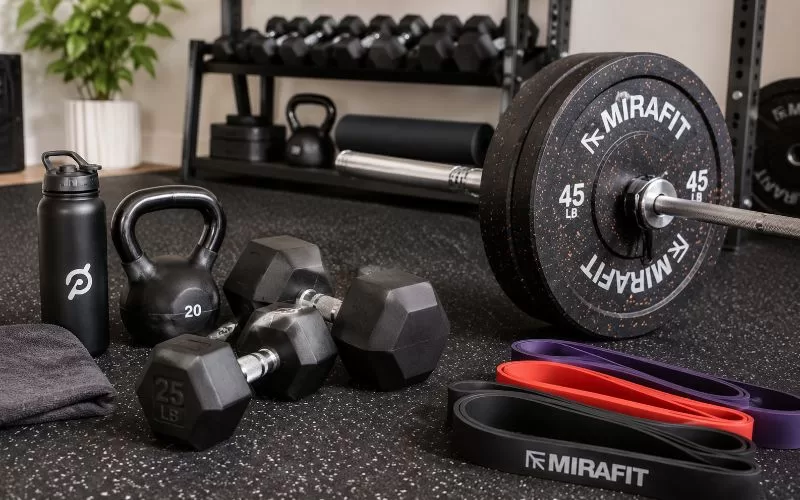
Strength training is one of the most rewarding parts of a structured exercise routine because progress becomes easier to feel over time. Whether you are using simple equipment at home or building out a larger setup with options like Mirafit’s weight plates range, strength work can make daily movement feel more capable and controlled. I appreciate having a home gym setup because it gives me options without needing to work around a gym schedule.
My own routine includes a mix of dumbbells, a barbell, resistance bands, Peloton rides, rowing, and even Beat Saber when I want movement to feel more fun. That variety helps keep exercise interesting while still supporting a structured plan. It also makes fitness feel more sustainable because I can choose the type of workout that fits my energy on a given day.
This is why building muscle can feel so empowering. The confidence is not only about appearance; it is also about feeling stronger, more stable, and more capable in everyday life. Over time, strength training can shift exercise from something you feel obligated to do into something that genuinely supports how you want to feel.
Why Flexibility Matters Just as Much as Structure
Structure works best when it supports your life instead of making you feel guilty. I like having a plan, but I also know that a routine has to allow room for changing schedules, lower-energy days, and the natural ups and downs of motivation. A routine that is too rigid can quickly become discouraging.
A flexible structure allows you to stay consistent without feeling like one missed workout ruins the entire week. If the goal is to work out a certain number of days, the exact days can often shift. What matters most is returning to the plan instead of abandoning it completely.
That flexibility is one reason creating a home workout routine can work so well. It allows fitness to fit into your actual life instead of requiring your life to revolve around fitness. When a routine feels realistic, it becomes much easier to maintain.
Exercise Confidence Is Not Just About Weight Loss
After losing weight, I realized that exercise was not just about the scale. Weight loss can be one reason someone begins a fitness routine, but it does not have to be the main focus. The bigger confidence boost often comes from feeling stronger, more consistent, and more capable.
Structured exercise can help you see yourself differently because it gives you regular opportunities to follow through. Each workout becomes a small reminder that you are capable of doing something challenging, even when motivation is not perfect. Over time, that can change the way you think about your own discipline and resilience.
People begin exercising for many different reasons. Some want to feel healthier, some want more strength, and some simply want a better routine. Structured exercise can support all of those goals because it creates a clear path without requiring perfection.
Simple Ways to Create a Structured Exercise Routine
Creating a structured exercise routine does not have to be complicated. The goal is to build a plan that gives you enough direction to stay consistent while still leaving room for real life. A routine that feels manageable will almost always be more effective than an overly ambitious plan that is hard to maintain.
Start with a few simple steps:
- Decide how many days a week feels realistic.
- Choose a few types of workouts you enjoy.
- Give each workout a general focus.
- Track progress in a way that motivates you.
- Build flexibility into the plan.
- Celebrate progress that has nothing to do with the scale.
This approach can be especially helpful during busy seasons, travel, holidays, or weeks when your normal schedule feels harder to follow. The goal during those times may be to maintain movement in some form rather than expecting your routine to look exactly the same. A flexible approach to staying in shape during the holidays can apply to any season when life interrupts your usual rhythm.
Confidence Comes From Keeping Promises to Yourself
Structured exercise builds confidence because it gives you a plan, a way to measure progress, and proof that you are showing up for yourself. It does not have to be extreme, complicated, or centered only on weight loss. It can be a realistic routine that helps you feel stronger, more consistent, and more in control of your day.
For me, the confidence comes from the feeling of accomplishment that follows a workout. It is the reminder that I moved my body, honored my plan, and did something positive for myself. Over time, those small moments of follow-through become more than workouts; they become evidence that I can keep promises to myself.
That is where the real confidence begins.