
Learning how to control food cravings can make losing weight feel much more manageable. Cravings are not always a sign that something is wrong with your eating plan, and they do not mean you lack willpower. They may come from genuine hunger, a familiar routine, stress, lack of sleep, food restrictions, or simply seeing something that looks good.
I have learned that trying to eliminate every craving is rarely realistic. One of my strongest food cues tends to happen after lunch, when I immediately want something sweet even if I am no longer hungry. Sometimes I choose a satisfying sweet snack, while other times I realize I am responding to the habit of finishing lunch with dessert.
The goal is not to win a battle against food. It is to understand what is driving the urge and decide how you want to respond.
What Is the Difference Between Hunger and a Craving?
Physical hunger generally develops gradually and can be satisfied with several different foods. A food craving is usually more specific. You may not want a regular meal, but a cookie, salty chips, or chocolate suddenly sounds impossible to ignore.
The distinction is not always perfectly clear. Hunger and cravings can overlap, especially when it has been several hours since your last meal. A useful question is: Would I eat a balanced meal or substantial snack right now? If the answer is yes, you may need food rather than another distraction. Food noise is slightly different because it involves frequent or persistent thoughts about food, including what to eat, when to eat, and whether a particular choice is acceptable.
Why Food Cravings Happen
Cravings can have several causes, and more than one may be involved at the same time. Common triggers include:
- Waiting too long between meals
- Eating meals that lack protein, fiber, or fat
- Following overly restrictive food rules
- Stress, boredom, sadness, or frustration
- Poor sleep
- Seeing or smelling a favorite food
- Associating food with a particular time, place, or activity
- Exercising more without adjusting food intake
Restricting a particular food may make it feel even more desirable. Research examining food deprivation and cravings suggests that the relationship is more nuanced than blaming cravings on a nutrient deficiency. Learned behaviors, emotions, environmental cues, food exposure, and dietary restrictions may all play a role.
Eat Enough During Regular Meals
One of the most effective ways to manage food cravings is to avoid reaching the point where everything in the kitchen sounds good. There is no universal meal schedule that works for everyone, but regularly going far beyond comfortable hunger can make thoughtful choices much harder.
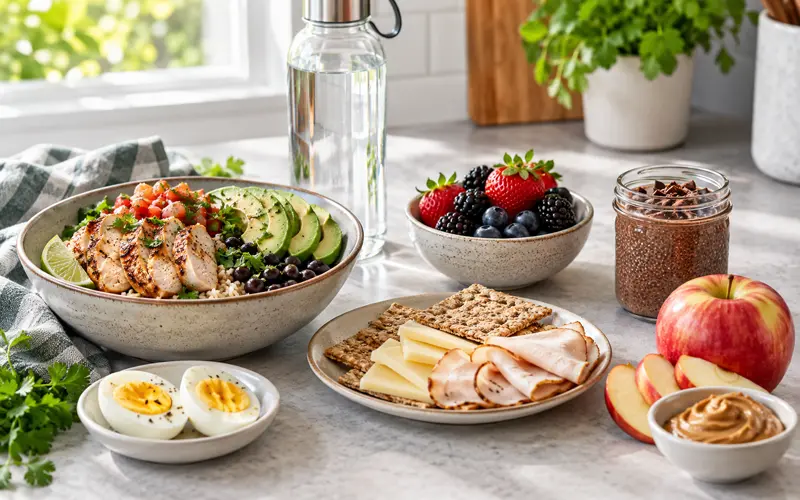
A filling meal usually includes protein, fiber, and enough food to feel satisfied. Chicken with beans and rice, eggs with whole-grain toast and fruit, or a turkey sandwich with vegetables and a crunchy side can all work. A meal does not need to resemble traditional “diet food” to support a weight-loss goal. I am not a big breakfast person, so a morning shake works better for me than forcing myself to prepare a full meal. Choosing a protein powder that fits your routine can make breakfast easier when you want something quick but still want to begin the day with protein.
Build Meals Around Protein and Fiber
Protein and fiber can make meals more satisfying and help prevent the intense hunger that is easily mistaken for an uncontrollable craving. Healthy fats and carbohydrates can also be part of a balanced meal, so there is no need to eliminate an entire food group.
Some practical combinations include:
- Chicken, black beans, rice, salsa, and avocado
- Turkey and cheese on whole-grain bread with fruit
- Eggs, toast, and berries
- Oatmeal with chia seeds, nut butter, and milk
- Cottage cheese with fruit and whole-grain crackers
- A protein shake blended with chia, flax, or fruit
Many familiar foods rich in protein, fiber, and healthy fats can help create filling meals without relying on unusual ingredients or strict eating rules.
Keep Satisfying Snacks Available
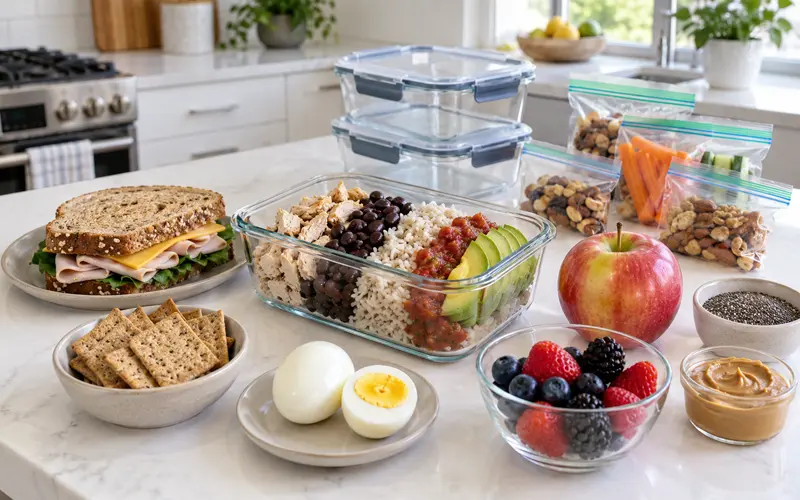
A planned snack can be useful when there is a long gap between meals. I prefer snacks that feel like something I genuinely want to eat, such as crackers with turkey or cheese, chocolate chia pudding, fruit with peanut butter, a hard-boiled egg, or a small protein shake. Meal-prep containers and portioned snack bags can make grab-and-go options easier to organize. The purpose is not to make every serving tiny; it is to have something satisfying ready before hunger and convenience make the decision for you.
Stop Treating Favorite Foods as Forbidden
Labeling a favorite food as completely off-limits can give it more power. Once you eat it, the belief that you have “ruined” the day may lead to eating far more than you originally wanted. Allowing enjoyable foods to fit into an overall balanced routine can remove some of that urgency.
If I want something sweet after lunch, I would rather choose a portion I enjoy and move on with my day than spend the afternoon trying to resist it while continuing to think about it. Eating a cookie, dessert, or salty snack does not erase every nutritious choice made earlier. Overall eating patterns matter more than one individual food.
Identify the Habit Behind the Craving
Cravings often follow a predictable routine. You may want dessert after dinner, popcorn while watching television, or a snack when you sit down at your desk in the afternoon. The time, place, or activity can become the trigger even when physical hunger is not present.
Pay attention to where you are, what time it is, and how you feel when the urge appears. Depending on the pattern, you might:
- Plan a sweet snack for the time you usually want one
- Brush your teeth after dinner
- Make tea before sitting down to watch television
- Take a short walk when an afternoon craving is tied to restlessness
- Move tempting foods away from your desk or usual sitting area
The goal is not to distract yourself indefinitely. Creating a brief break gives you time to determine whether you want the food, need the food, or are responding automatically to a familiar cue.

Pause Before Responding
A short pause can help you make a deliberate choice without turning the craving into a test of willpower. Give yourself about 10 minutes to consider when you last ate, whether the meal was satisfying, and what you are feeling.
Drinking water makes sense if you have not had much fluid, although it should not replace food when you are genuinely hungry. Keeping a reusable water bottle nearby can make hydration a natural part of your daily routine instead of something you only think about when a craving appears.
If you still want the food after pausing, serve a reasonable amount, sit down, and enjoy it. Eating intentionally is different from standing in the kitchen and repeatedly grabbing more while deciding whether you should be eating it.
Make Your Environment Work for You
Food that is visible and easy to reach is also easy to eat without much thought. You do not have to remove every treat from the house, but placement can influence how often you reach for something automatically. Keep fruit where it is easy to see, store ready-to-eat protein in the refrigerator, and organize snacks into portions when that is helpful. Foods that tend to trigger mindless eating can stay inside a cabinet instead of sitting on the counter.
Avoid grocery shopping when you are extremely hungry whenever possible. A written list and a rough plan for meals and snacks can reduce impulse purchases without requiring a rigid weekly menu.
Pay Attention to Sleep and Stress
Cravings are harder to manage when you are exhausted or overwhelmed. Poor sleep can affect appetite and make highly appealing foods more difficult to resist. The CDC’s guidance for healthy weight loss includes adequate sleep and stress management alongside healthy eating patterns and physical activity.
Stress can also create a desire for comfort, relief, or distraction rather than physical nourishment. Food can be comforting, and enjoying it for that reason occasionally is normal.
When emotional eating becomes the primary way of handling difficult feelings, Mayo Clinic’s strategies for emotional eating recommend identifying triggers and finding additional ways to respond. A shower, short walk, music, reading, calling someone, or stepping away from a stressful task may provide the break you are seeking.
Sometimes food will still be part of the choice, but it no longer has to be the only option available.
Adjust Your Food Intake When Activity Changes
An increase in exercise can increase hunger. If you recently began strength training, added cardio, or made your workouts longer, stronger hunger later in the day may be a reasonable response rather than a problem that needs to be suppressed.
Review whether your meals support your current activity. Adding protein, fiber-rich carbohydrates, or a planned post-workout snack may prevent intense evening hunger. Sustainable fitness and eating habits should support each other instead of making exercise feel like compensation for eating.
Use a Simple Plan When a Craving Hits
When a craving feels urgent, follow a short process instead of debating with yourself:
- Name what you want and how you are feeling.
- Decide whether you are physically hungry.
- If you are hungry, eat a balanced meal or satisfying snack.
- If the craving appears connected to habit or emotion, briefly change activities.
- If you still want the food, choose a portion and enjoy it without guilt.
This approach makes room for both nutrition and pleasure while reducing the all-or-nothing thinking that can turn one snack into an entire day of eating differently than intended.
When Persistent Hunger Deserves More Attention
Occasional cravings are normal. Constant hunger, dramatic appetite changes, frequent loss of control around food, or cravings that interfere with daily life may need more attention. A healthcare provider or registered dietitian can help determine whether food intake, medications, sleep, activity level, blood sugar, hormones, or another health concern may be contributing.
Anyone experiencing binge eating, hiding food, significant guilt after eating, or compensating for food through restriction or excessive exercise should also consider speaking with a qualified professional.
A More Realistic Approach to Food Cravings
Learning how to control food cravings is not about becoming perfect at ignoring food. It is about recognizing patterns, eating satisfying meals, planning for predictable hunger, and giving favorite foods a reasonable place in your life.
I have found that cravings feel less powerful when I stop treating them as an emergency. Sometimes I need a better meal, sometimes I am following an old habit, and sometimes I simply want something sweet. Understanding the difference makes it easier to respond in a way that supports both my goals and a normal relationship with food.