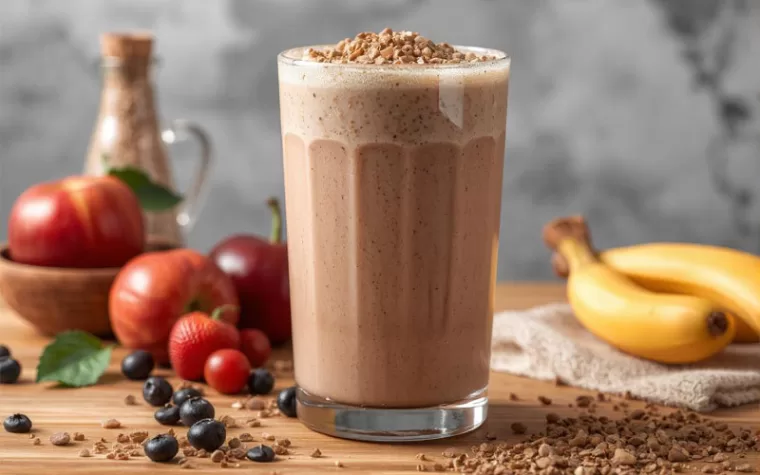
Protein powder has become one of the easiest ways to start my day with protein without spending too much time in the kitchen. I use it every morning in a shake as a breakfast replacement because I have never been a big breakfast person. A shake feels simple, quick, and realistic, which is exactly why it works.
It also helps take some of the guesswork out of the morning. When you are trying to stay consistent with workouts, nutrition, and daily protein, the habits that feel easy are usually the ones that last. Protein powder fits into that kind of routine because it is simple, quick, and easy to grab.
In this article, I am looking at protein powder from a practical, everyday fitness angle:
- What “clean protein powder” usually means
- What to look for before choosing one
- Why taste, texture, and protein grams matter
- How it can fit into a simple morning routine
Why Protein Powder Can Be Helpful in a Fitness Routine
Protein powder is not just for athletes or bodybuilders. It can be helpful for anyone who wants an easier way to add protein to meals, snacks, or a morning routine. When you are trying to support a fitness routine, protein is one of those basics that can make your nutrition feel a little more manageable.
Protein became more important once I started paying closer attention to workouts and nutrition. It was one of the easiest goals to focus on because it is simple to track and easy to add to meals I already make. It also pairs naturally with a structured workout plan because it supports your routine without making things feel complicated.
Protein powder can be helpful because it can:
- Make breakfast easier when you do not want a full meal
- Add protein to a shake, smoothie, oatmeal, or yogurt
- Work as a quick option after a workout
- Help you reach your protein goals with less guesswork
- Fit into a busy morning without much prep
What “Clean Protein Powder” Usually Means
Clean protein powder usually refers to a protein powder with a simpler ingredient list, fewer unnecessary extras, and a protein source that fits your needs. It may mean less added sugar, fewer artificial ingredients, or a formula that feels easier to understand when you read the label. That does not mean every “clean” protein powder is automatically the best choice for everyone.
This is where personal preference matters. A protein powder can have a great ingredient list, but if the taste or texture is off, it probably will not become something you use very often. The best choice is one that fits your goals, agrees with your body, and feels easy enough to make part of your normal routine.
When comparing clean protein powders, look at:
- The protein source
- The grams of protein per serving
- The ingredient list
- The sweetener or added sugar
- The flavor options
- How well it blends
What I Personally Look For in Protein Powder
Taste is the first thing I care about because if the flavor is bad, I know I will not keep using it. A protein powder can have a great label, but it still needs to be something you actually enjoy drinking. Since consistency matters, flavor is not a small detail.
Protein grams are important too. I want the powder to help me reach my protein goals in a meaningful way, not just add a little flavor to a shake. It does not have to be the only source of protein in the day, but it does need to make sense for the goals I am working toward.
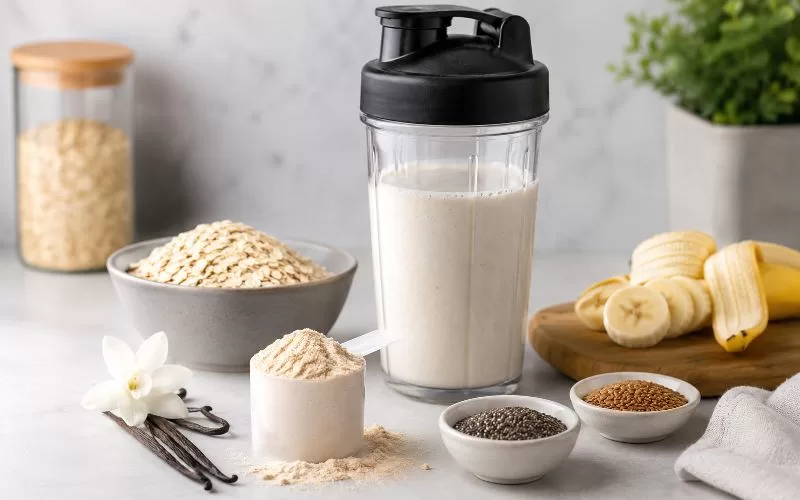
The things I look for most are:
- Taste: It has to be something I will actually drink.
- Protein grams: It should help me reach my daily protein goal.
- Texture: Chalky or gritty powder can ruin a shake quickly.
- Digestibility: Mild sensitivities matter, even if a small amount works fine.
- Ease of use: It should fit into the morning without extra effort.
Whey, Plant-Based, and Choosing What Works for You
There are several types of protein powder, including whey, casein, egg, soy, pea, rice, and plant-based blends. I personally use whey because I prefer the taste and texture. Plant-based protein may be a better fit for some people, but the texture has never been my favorite in a shake.
That does not mean whey is the right option for everyone. Some people prefer plant-based protein for dietary needs, lifestyle reasons, or sensitivities. Others prefer whey because it tends to blend smoothly and often has a taste and texture that works well in shakes.
If you are looking at plant-based options, Clean Classic protein is one example of a simpler protein powder made with a short ingredient list. A plant-based protein may be a better fit if you avoid dairy or prefer that type of formula. Whey may be a better fit if taste and texture are your biggest priorities and your body handles it well.
How I Use Protein Powder in My Morning Shake
My morning shake works as a breakfast replacement. I am not someone who wakes up wanting a full breakfast, but I do want to start the day with protein. A shake gives me a simple way to do that without turning breakfast into a bigger production than it needs to be.
The flexibility is part of what makes it work. It can stay simple, or it can include ingredients like oats, chia, flax, fruit, or cinnamon, depending on the day. It is fast, easy, and gives me a breakfast option that does not require much thought in the morning.
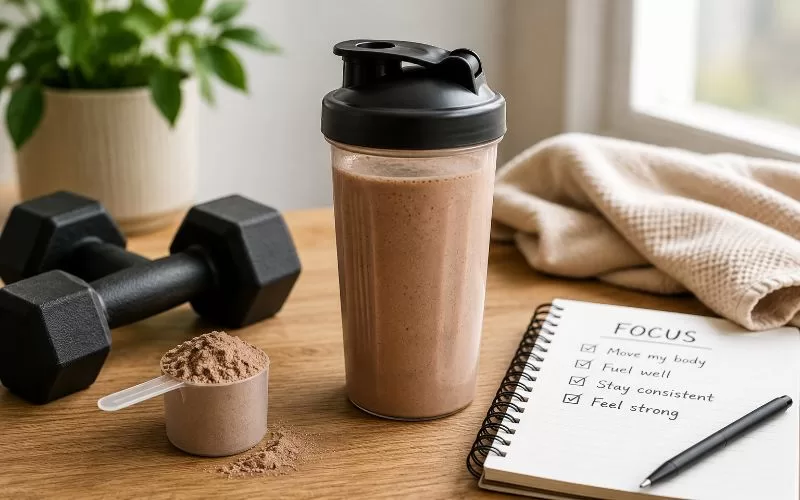
A morning protein shake can work well if you want something that is:
- Quick to make
- Easy to customize
- Simple to drink when you are not very hungry
- Helpful for reaching protein goals
- Easy to pair with a fitness routine
- More realistic than cooking a full breakfast every morning
Easy Ways to Add Protein Powder to Your Routine
Protein powder does not have to be used the same way every day. I prefer it in a morning shake, but it can also work in other simple meals and snacks. The goal is to use it in a way that feels natural, not forced.
Easy ways to add protein powder include:
- Blend it into a morning shake or smoothie
- Stir it into oatmeal after cooking
- Mix it with Greek yogurt
- Use it after a workout
- Add it to homemade protein bites or simple snacks
- Blend it with fruit, oats, chia, or flax for a more filling breakfast
- Dip fruit into protein powder to add flavor
Protein powder can be helpful, but it works best as part of an overall routine. Regular meals, hydration, rest, and realistic workouts all matter too. Nutrition resources on daily protein needs and choosing protein powders can be helpful if you are comparing options and want a better idea of what to look for.
Choosing a Protein Powder You’ll Actually Use
Protein powder is not magic, but it can be a practical tool when it fits your real life. It can make breakfast easier, help start the day with protein, and support a fitness routine that is already in motion. That is what makes it worth considering as part of a daily routine. The right clean protein powder should fit your taste, goals, digestion, and schedule. If it tastes good, blends well, and helps you reach your protein goals, you are much more likely to use it regularly. In the end, the best protein powder is the one that feels easy enough to keep using.
Protein powder can be one of those simple tools that makes a healthy routine feel more doable, especially when mornings are busy or breakfast is not your favorite meal of the day. I use protein powder every morning in my shake as a breakfast replacement because I am not a big breakfast person, but I still want to fuel my body and start the day with protein. For me, it is a quick compromise that fits naturally into my routine without forcing a full meal first thing in the morning.
A good protein shake also works well when you are trying to be more intentional about your fitness habits. Whether your routine includes strength training, walking, cycling, or a structured workout plan, protein can help make your day feel a little more balanced from the start. It is not about making everything perfect; it is about finding small habits you can actually repeat.
Why Protein Powder Can Be Helpful in a Fitness Routine
Protein powder is not just for athletes, bodybuilders, or people training for something intense. It can be helpful for everyday fitness routines because it makes it easier to add protein to meals and snacks without a lot of prep. Since protein needs can vary based on age, activity level, and overall health, having an easy option on hand can make your routine feel less complicated, especially if you are already tracking nutrition or trying to be more consistent with meals.
After becoming more intentional about fitness and nutrition, protein became one of the easiest things for me to track and prioritize. It helps me feel like I am starting the day with something useful instead of skipping breakfast entirely or grabbing something that does not really support my goals. That matters when you are trying to build habits that support your workouts, your energy, and your overall routine.
A few reasons protein powder can be useful include:
- It can make breakfast faster when you do not want a traditional meal.
- It can help add protein after a workout or busy morning.
- It can make smoothies, oatmeal, or yogurt more filling.
- It can support a balanced routine alongside whole-food protein sources.
What “Clean Protein Powder” Usually Means
The phrase clean protein powder usually refers to a protein powder with a simpler ingredient list, fewer unnecessary extras, and a protein source that fits your needs. It may mean fewer artificial ingredients, less added sugar, or a formula that feels easier to understand when you read the label. That said, “clean” does not automatically mean perfect for everyone, and it does not mean every product with that label will taste good, digest well, or fit your nutrition goals.
The best protein powder is still the one you will actually use consistently. A product can look great on paper, but if it tastes terrible, feels gritty, or bothers your stomach, it is probably not going to become part of your real-life routine. That is why I think choosing protein powder should be practical, not just based on marketing words on the container.
When comparing options, it helps to look at:
- The protein source
- The grams of protein per serving
- The ingredient list
- The added sugar or sweetener choice
- The texture and how well it blends
What I Personally Look For in Protein Powder
Taste is the biggest factor for me because if I do not like the flavor, I know I am not going to keep using it every morning. I care about the protein grams too, because the whole point is to help me meaningfully reach my protein goals without making breakfast complicated. A protein powder may have a beautiful label and great claims, but if it ruins my shake, it is not the right one for my routine.
Texture matters almost as much as taste. A chalky or gritty protein powder can turn a perfectly good shake into something you have to force yourself to finish, and that is not exactly the goal. I can handle a mild texture issue here and there, but I still want my morning shake to be something I do not dread drinking.
Here is what I usually pay attention to:
- Taste: If it does not taste good, consistency becomes harder.
- Protein grams: It should help support my daily protein target.
- Texture: It needs to blend well enough for a smooth shake.
- Digestibility: Mild sensitivities matter, even if a small serving works fine.
- Routine fit: It should be easy enough to use every morning.
Whey, Plant-Based, and Choosing What Works for You
Protein powders can come from several sources, including whey, casein, egg, soy, pea, rice, and other plant-based blends. I personally use whey because I prefer the taste and texture, and I have never been a big fan of the taste of plant protein. Even though I have a mild dairy sensitivity, the amount in my protein shake usually is not enough to bother me, but everyone’s tolerance is different.
Plant-based protein can still be a great option for people who prefer it for dietary, lifestyle, or sensitivity reasons. Some people do better with dairy-free choices, while others prefer whey because it blends smoothly and has a flavor they enjoy. The key is choosing based on your body, your taste preferences, and what you will actually reach for on a regular basis.
If you are comparing plant-based options, Clean Classic protein is an example of a simpler protein powder made with a short ingredient list. It may be a good fit for someone looking for a dairy-free option, while whey may be a better fit for someone who prioritizes taste, texture, and a traditional shake feel. Neither choice has to be “better” for everyone; it really depends on what works for your routine.
How I Use Protein Powder in My Morning Shake
My morning shake works as my breakfast replacement, and that is honestly why protein powder has become so useful for me. I am not trying to force a big breakfast when I know that is not my style, but I still want something that helps fuel my body and starts the day with protein. It feels like a practical middle ground between skipping breakfast and making something more involved.
I like that it fits easily into my fitness routine without making my morning feel more complicated. When I am already trying to prioritize workouts, protein, and consistency, having one easy breakfast option helps take some of the decision-making out of the day. It is also flexible, which is why shakes and smoothies can work so well for different tastes and goals.
A protein shake can be especially helpful when you want something that is:
- Quick enough for busy mornings
- Easy to drink when you are not very hungry
- Simple to customize with fruit, oats, chia, or flax
- Useful before or after a workout
- More balanced than skipping breakfast completely
Easy Ways to Add Protein Powder to Your Routine
Protein powder does not have to be limited to a shaker bottle, although that can be the fastest option. You can use it in simple meals and snacks where it makes sense, especially if you are trying to make your day more balanced without adding a lot of extra cooking. I like the shake approach best, but there are plenty of ways to make protein powder fit into your routine.
A few easy ideas include:
- Blend it into a morning shake or green smoothie.
- Stir it into oatmeal after cooking.
- Mix it with Greek yogurt for a thicker snack.
- Use it after a workout when you need something quick.
- Add it to simple homemade protein snacks.
- Pair it with a small meal when breakfast feels too light.
If you are active, protein is only one part of the bigger picture. Your body also needs balanced meals, hydration, rest, and a routine that feels realistic enough to maintain. Articles on daily protein needs can be helpful for understanding the basics, while guidance on protein powders can make it easier to compare options without getting overwhelmed.
Choosing a Protein Powder You’ll Actually Use
Protein powder is not magic, but it can be a very useful tool when it fits your life. For me, it makes breakfast easier, helps me start the day with protein, and supports the fitness routine I am already trying to keep consistent. That is what makes it worth using every morning.
The right clean protein powder should fit your taste, goals, digestion, and routine. If it tastes good, blends well, and helps you meet your protein goals, you are much more likely to keep using it. Consistency is where the real value is, because the protein powder that works best is the one you enjoy enough to use regularly.ecovery together. You should understand that sports science promotes nutrition that supports long-term athletic development.
Research from Frontiers in Nutrition confirms that athletes who consume plant-based protein maintain performance stability across training programs. You improve muscle strength and endurance through natural protein intake. Many endurance coaches recommend plant protein shakes for daily recovery support. You maintain athletic consistency when nutrition remains balanced and clean. Clean protein supports muscle repair, nutrient absorption, and endurance performance through sports science principles.