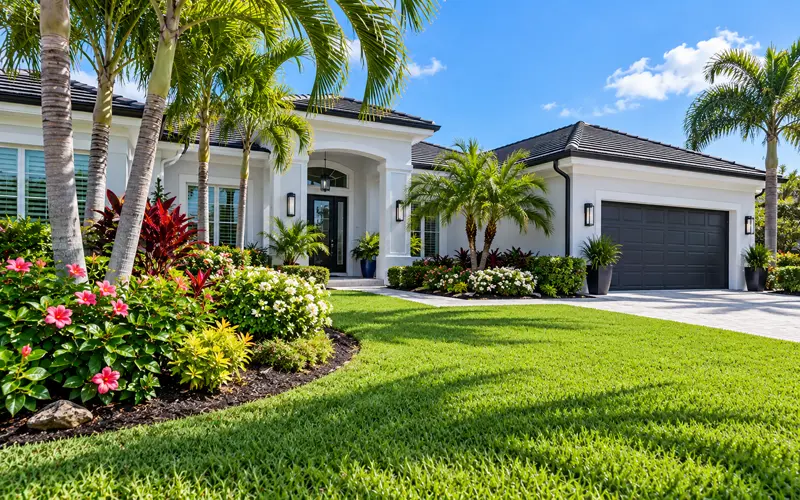
A beautiful yard can make any Florida home feel more welcoming. Whether you enjoy relaxing on the patio, hosting weekend barbecues, or spending time outdoors with family, a well-maintained landscape creates a comfortable space for everyday living.
However, maintaining a Florida yard involves more than mowing the lawn and watering plants. The state’s warm temperatures, heavy rainfall, humidity, and seasonal storms can affect everything from soil conditions to the health of mature trees.
With a few practical Florida yard maintenance habits, homeowners can create an attractive outdoor environment while reducing preventable property damage and keeping their landscapes healthy throughout the year.
Make Tree Maintenance a Regular Priority
Trees are among the most valuable features of a Florida landscape. They provide shade, improve the appearance of outdoor spaces, and create a pleasant environment for families to enjoy. However, trees also require attention as they mature. Dead branches, weak limbs, and structural problems can become serious concerns during heavy rain or strong winds.
Regular inspections can help homeowners identify potential issues before they develop into costly problems. For example, homeowners looking for professional tree service in brandon florida can explore services such as tree trimming, hazardous tree removal, stump grinding, and tree health assessments.
Professional evaluations are especially useful when large trees grow close to roofs, driveways, fences, or outdoor living areas. Rather than removing healthy trees unnecessarily, proper maintenance focuses on preserving their natural beauty while addressing potential safety concerns.
Pay Attention to the Health of Mature Trees
Healthy, established trees provide natural shade, support local wildlife, and help create inviting areas for outdoor relaxation. Unfortunately, tree health problems are not always immediately visible.
Changes in leaf color, unusual branch dieback, fungal growth, or damage around the trunk may indicate that a tree needs closer attention. Homeowners should also avoid piling mulch directly against tree trunks or repeatedly damaging exposed roots with lawn equipment.
For properties with large trees, periodic assessments by qualified arborists can help determine whether pruning, structural support, or other maintenance is appropriate. Companies offering tree service in Tampa can assist homeowners with professional tree evaluations and maintenance options suited to local conditions.
Taking care of established trees is often more practical than replacing them after preventable damage has occurred.
Prepare Your Landscape Before Storm Season
Florida’s storm season is a reminder that outdoor maintenance should never be left until the last minute. Strong winds and heavy rainfall can expose existing weaknesses in trees, drainage systems, and landscape structures.
A simple walk around your property can help you identify potential problems before severe weather arrives. Pay particular attention to:
- Dead or hanging branches near buildings that could become hazardous during strong winds.
- Trees with noticeable cracks or structural damage that may require professional evaluation.
- Loose outdoor furniture and decorations that should be secured before a storm.
- Blocked drainage areas that could prevent rainwater from flowing away from the property.
- Overgrown vegetation near walkways and entrances that could interfere with safe access.
Securing lightweight outdoor items and clearing drainage pathways can help reduce avoidable problems during severe weather. Preparing your yard is just one part of getting your Florida home ready for storm season, especially when it comes to protecting outdoor spaces and preventing unnecessary damage.
It is also important to remember that aggressive pruning does not automatically make a tree safer. Excessive cutting can weaken its structure and create additional risks. For large trees or branches near electrical lines, homeowners should seek qualified professional assistance rather than attempting dangerous maintenance themselves.
Choose Plants That Suit Florida’s Climate
Selecting suitable plants is one of the simplest ways to make landscaping easier to maintain. Florida’s climate supports a wide variety of tropical and subtropical plants, but not every species performs equally well in every yard.
Sun exposure, soil drainage, available space, and watering requirements should all influence plant selection. Native and Florida-friendly plants can be practical choices because they are often better adapted to local growing conditions when planted in appropriate locations.
Before adding new plants, consider their mature size and how their roots or branches might affect nearby structures. A small ornamental tree may look perfect beside a walkway today, but it could eventually outgrow the available space.
Thoughtful planting decisions help create a landscape that remains attractive and manageable for years. Choosing plants suited to your yard’s conditions, considering their mature size, and incorporating Florida-friendly landscaping ideas can reduce maintenance while keeping outdoor spaces healthy and beautiful.
Improve Drainage Around Your Property
Heavy rainfall is a familiar part of life in Florida, making proper yard drainage essential. Standing water can damage lawns, create muddy areas, and place unnecessary stress on plants that do not tolerate saturated soil. It can also make outdoor spaces less comfortable for families and pets.
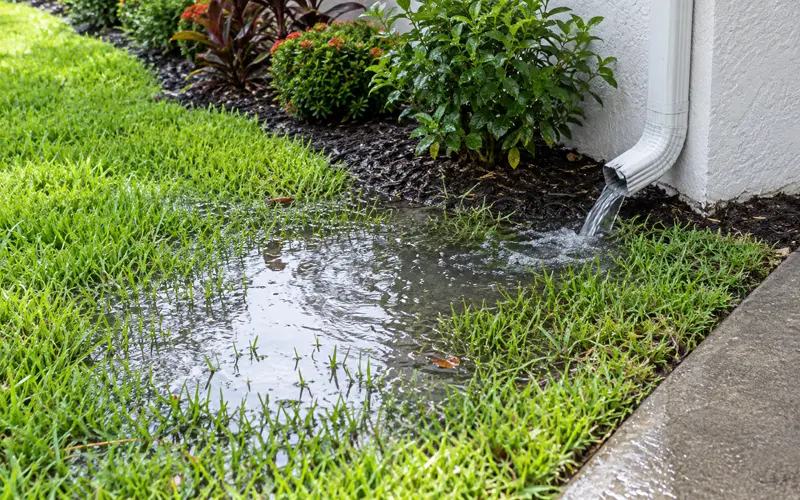
Start by observing where water collects after a heavy rain. Low spots, clogged gutters, and blocked drainage channels may contribute to recurring problems. Depending on the property, improvements may include adjusting landscape grading, extending downspouts, or installing appropriate drainage solutions.
Planting moisture-tolerant vegetation in naturally wet areas can also help create a more manageable landscape. For persistent flooding or water accumulation near a home’s foundation, consulting a qualified drainage professional is a sensible precaution.
Create Comfortable Outdoor Living Spaces
A well-designed yard should be both attractive and functional. Florida’s warm weather offers plenty of opportunities to enjoy outdoor spaces, but comfort often depends on having adequate shade, seating, and protection from the elements.
Consider creating designated areas for relaxing, dining, and family activities. Weather-resistant seating, durable outdoor materials, and clear pathways can make patios and decks more enjoyable without requiring a major renovation.
Natural shade from healthy trees can make outdoor seating areas more pleasant during warmer months, although branches extending over structures should be monitored and maintained appropriately. Outdoor umbrellas offer another practical option for areas without sufficient natural shade.
Lighting can also improve how a backyard functions after sunset. Thoughtfully placed pathway lights help with evening visibility, while outdoor lighting ideas can create a comfortable atmosphere for relaxing or entertaining.
A comfortable yard does not require an expensive renovation. Often, small improvements make outdoor spaces more enjoyable throughout the year.
Follow a Simple Seasonal Yard Maintenance Routine
Consistent maintenance is generally easier than addressing several neglected problems at once. Instead of waiting for major landscaping issues, homeowners can divide outdoor tasks into manageable seasonal activities.
| Season | Florida Yard Maintenance Tasks |
|---|---|
| Spring | Inspect trees and shrubs, refresh planting beds, check irrigation systems, and prepare for increased plant growth. |
| Summer | Monitor drainage, watch for storm damage, manage weeds, and adjust watering according to rainfall. |
| Fall | Remove accumulated debris, inspect outdoor structures, and address landscape problems that developed during the wetter months. |
| Winter | Review the condition of mature trees, plan appropriate pruning, and consider improvements for the coming growing season. |
These activities can be adjusted according to the property’s location, plant varieties, and weather conditions. Florida’s growing conditions vary by region, so maintenance schedules should reflect what is happening in your own yard rather than following a rigid calendar.
A consistent routine helps homeowners maintain a healthy landscape without allowing minor problems to become overwhelming.
Know When Professional Yard Care Is Necessary
Many routine landscaping tasks can be handled by homeowners. Watering plants, maintaining flower beds, and removing small amounts of garden debris are common examples. However, certain projects require specialized knowledge and equipment.
Large tree removal, high-branch pruning, storm-damaged tree assessment, and work near electrical lines can create significant safety risks. Before hiring a tree care provider, homeowners should ask about relevant professional credentials, insurance coverage, work procedures, and any applicable local permits.
It is also helpful to request a written estimate explaining the proposed work and cleanup responsibilities.
For additional information, the University of Florida’s Institute of Food and Agricultural Sciences provides independent tree care guidance on assessing hurricane-damaged trees and deciding whether they should be restored or removed.
Understanding when to seek expert assistance can help homeowners make informed decisions and avoid unnecessary risks.
Keep Your Florida Yard Looking Its Best Year-Round
Maintaining a beautiful Florida yard does not have to be complicated. The key is to focus on regular care, thoughtful landscaping decisions, and preparation for seasonal weather.
Healthy trees, proper drainage, suitable plants, and comfortable outdoor spaces all contribute to a more enjoyable home environment. By addressing maintenance needs early and seeking professional help when necessary, Florida homeowners can protect their landscapes and create outdoor spaces that remain welcoming throughout the year.
A little consistent attention today can make a meaningful difference in how your yard looks, feels, and functions tomorrow.