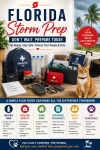
Living in Florida, storm season is part of regular home life. It is something I know we should prepare for early, but it can still feel like a lot when everyday responsibilities are already taking up most of our attention. Between home maintenance, pets, outdoor spaces, family schedules, and normal weekly routines, storm prep can easily get pushed aside until tropical weather is already in the forecast. The good news is that Florida storm season home prep does not have to feel stressful, complicated, or rushed.
The Atlantic hurricane season runs from June through November, which makes early summer a smart time to check your supplies, look over your outdoor spaces, and make sure your household storm plan is still up to date. Instead of treating hurricane prep as one large project, it is more manageable to approach it in smaller steps. A well-organized home, stocked essentials, and a plan for pets can make the season feel calmer before the weather becomes active. A little preparation now can make a meaningful difference later.
Start With Practical Storm Supplies
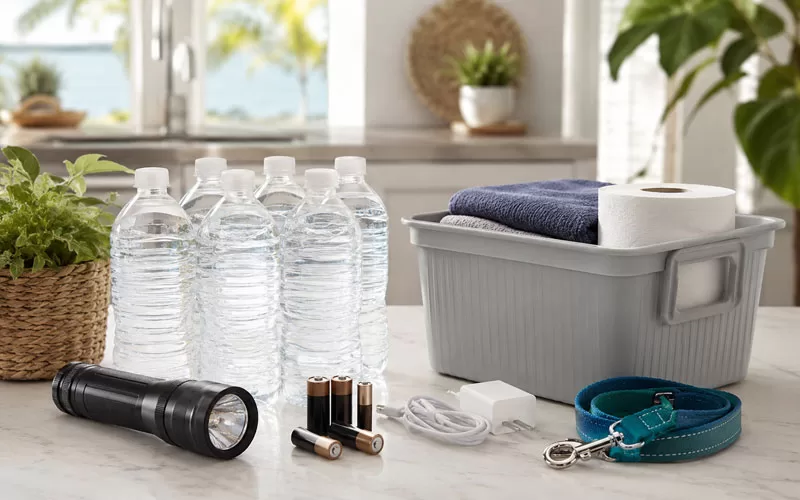
Storm prep is easier to manage when the focus stays on practical supplies your household would truly need. A good storm kit does not have to be excessive, but it should cover the basics if you lose power, need to stay home, or cannot get to the store right away. The Florida disaster supply checklist is a helpful reference for building a kit that fits your family, home, and personal needs. Keeping everything in one place also helps reduce last-minute searching when weather updates begin.
I find storm supplies feel less overwhelming when they are treated like practical household items instead of emergency clutter. If we are going to store something, it needs to be easy to find, easy to use, and helpful if the power goes out or the weather keeps us home.
Useful items to keep ready include:
- Bottled water
- Non-perishable food
- Flashlights and extra batteries
- Phone chargers and power banks
- First aid supplies
- Prescription and over-the-counter medications
- Paper towels, wipes, trash bags, and hand sanitizer
- A manual can opener
- Pet food and bottled water for pets
Food planning should feel realistic and useful. Choose shelf-stable items your household will actually eat, along with simple snacks that do not require cooking or much preparation. If you already keep easy options on hand for busy days, that same idea can carry into storm season, especially when simple, filling snacks help make the pantry feel more practical. The goal is to have enough on hand to feel prepared without turning storm prep into a major project.
Make a Simple Plan for Your Pets
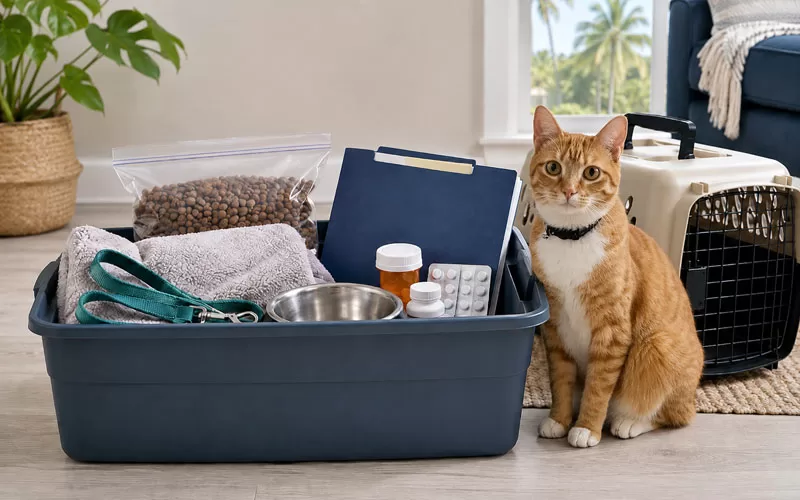
Pets need to be part of the storm plan from the beginning, not added at the last minute. In our house, that means thinking beyond the basic household supplies and making sure the animals have what they need if we lose power, need to stay home, or have to leave quickly. The Florida pet disaster planning guide recommends planning ahead for animal identification, supplies, transportation, and shelter options. For anyone with dogs, cats, or other pets, this is one of the most important parts of storm season preparation.
A pet storm-prep kit can include:
- Extra pet food
- Bottled water
- Medications
- Leashes, harnesses, and collars
- Carriers or crates
- Puppy pads, litter, or cleanup supplies
- Bowls, blankets, and comfort items
- Vet records and vaccination information
- A current photo of each pet
A pet plan should also include where your animals would go if you needed to leave home. Not every hotel, shelter, or temporary location accepts pets, so it helps to research options before a storm is approaching. This is especially important if a pet is older, anxious, on medication, or difficult to transport. Since pets are part of your family, their storm supplies deserve the same attention as the rest of the household.
Walk Around Your Outdoor Spaces Before the Weather Changes
Outdoor spaces are a major part of Florida living, but they also require extra attention during storm season. Patios, pool areas, lanais, porches, and backyard spaces often include items that are light enough to move in strong winds. Cushions, umbrellas, planters, lanterns, pool toys, garden décor, and small tables should all have a designated place to go before a storm is imminent. Planning ahead makes it easier to protect both your home and the outdoor furniture.
Before storm season becomes active, take a few minutes to identify outdoor items that would need to be secured, moved indoors, or placed in a protected area before strong winds arrive.
- Patio cushions and pillows
- Umbrellas and shade covers
- Pool floats and toys
- Planters and hanging baskets
- Outdoor lanterns or décor
- Grilling tools and small tables
- Garden supplies and loose pots
A simple outdoor plan can save valuable time when weather conditions change quickly. Decide what belongs in the garage, shed, covered patio, or inside the home before there is pressure to move everything at once. For many Florida homes, the patio, lanai, or backyard functions as an extension of the living space, so it helps to think about how your outdoor living area can be secured before a storm. Storm prep should not take away from enjoying your outdoor space, but it should make it easier to secure it when needed.
Check the Home Areas That Take the Most Weather Stress
Florida homes deal with heat, humidity, heavy rain, wind, and seasonal storms, so a basic exterior check is worth doing before hurricane season arrives. You do not need to inspect everything in detail, but you can look for obvious issues that may need attention. Gutters, drainage areas, doors, windows, siding, screens, and roofline areas all play a role in how well a home handles rough weather. This fits naturally with regular home maintenance tasks because small issues can become more stressful during storm season.
A quick home walk-through can include checking:
- Gutters and downspouts
- Loose siding or trim
- Window seals and screens
- Garage door condition
- Tree branches near the roof
- Low spots where water collects
- Roofline areas visible from the ground
- Outdoor lighting, outlets, and extension cords
This is also a practical time to think about home safety. Storm prep is not only about buying supplies; it is also about knowing whether your home has areas that need attention before wind and rain become a concern. If you already keep a running list of projects to keep your home safe and secure, storm season can help prioritize the ones that matter most. Taking care of small concerns early can help the whole season feel more manageable.
Keep Important Documents in One Easy-to-Reach Place
Important documents are easy to overlook because they are not as visible as flashlights or bottled water. Still, having them organized can reduce stress if you need to leave home, refill medication, contact insurance, or provide pet vaccination records. A waterproof folder, small file box, digital backup, or waterproof safe for important documents can help keep everything in one place. The best system is the one you can access quickly when you need it.
Helpful documents to gather include:
- Home insurance information
- Driver’s licenses or IDs
- Health insurance cards
- Medication lists
- Pet vaccination and vet records
- Emergency contacts
- Photos or videos of home belongings
- Important account or policy information
It is also worth taking updated photos or videos of the inside and outside of your home. Walk through each room and capture furniture, electronics, appliances, and any higher-value items. This is not a complicated task, but it is one many homeowners forget until a storm is already being tracked. Saving those photos somewhere accessible gives you one less thing to think about later.
Have a Calm Evacuation Plan Before You Need One
Having an evacuation plan does not mean you expect to leave home every storm season. It simply means you know what your options are if local officials advise your area to evacuate or if your home is not the safest place to stay. Ready.gov hurricane guidance recommends knowing your evacuation zone, evacuation routes, and household communication plan before a hurricane threatens your area. In Florida, those details are easier to think through when the weather is still calm.
A simple evacuation plan can include:
- Knowing your evacuation zone
- Choosing one or two places you could go
- Checking pet-friendly lodging options
- Keeping the car at least partially fueled during active weather weeks
- Packing chargers, snacks, water, and medications
- Having a small overnight bag ready
- Saving emergency contacts in more than one place
If your plan involves driving, treat it like a practical travel plan with extra safety considerations. Snacks, chargers, bottled water, comfort items, medications, and basic supplies can make the trip less stressful if you need to leave quickly. A plan does not need to be complicated to be useful.
Break Storm Prep Into Smaller Tasks
Storm prep often feels overwhelming because too much is left until a storm has already been identified. I prefer breaking it into smaller tasks because it feels more realistic and much easier to keep up with. By the time stores are busier and supplies are harder to find, the basics are already handled. That makes the whole process feel more like seasonal home care and less like a last-minute scramble.
A simple weekend approach could look like this:
- Weekend 1: Check flashlights, batteries, chargers, and power banks.
- Weekend 2: Restock water, pantry basics, paper goods, and first aid supplies.
- Weekend 3: Walk around outdoor spaces and decide where loose items will go.
- Weekend 4: Gather documents, pet records, and important contact information.
- Monthly: Check expiration dates, medication needs, and weather supplies.
This approach works because it fits into regular life. You can add a few supplies during a normal grocery trip, update pet items when you are already restocking food, and review outdoor spaces while doing regular yard or patio tasks. Preparing slowly still creates a more organized home. It also keeps storm season from feeling like a rushed, last-minute project.
A Calmer Way to Prepare for Florida Storm Season
Florida storm season is part of living here, just like summer heat, afternoon rain, and outdoor spaces that get used year-round. I do not think preparation needs to come from a place of fear, but I do think it helps to be honest about what makes life easier when the weather changes quickly. When supplies, pets, outdoor spaces, home maintenance, documents, and evacuation plans are handled in small steps, the season feels more manageable. Florida storm season home prep is really about creating a home that feels organized, practical, and ready.
A little preparation now can make the season feel calmer later.