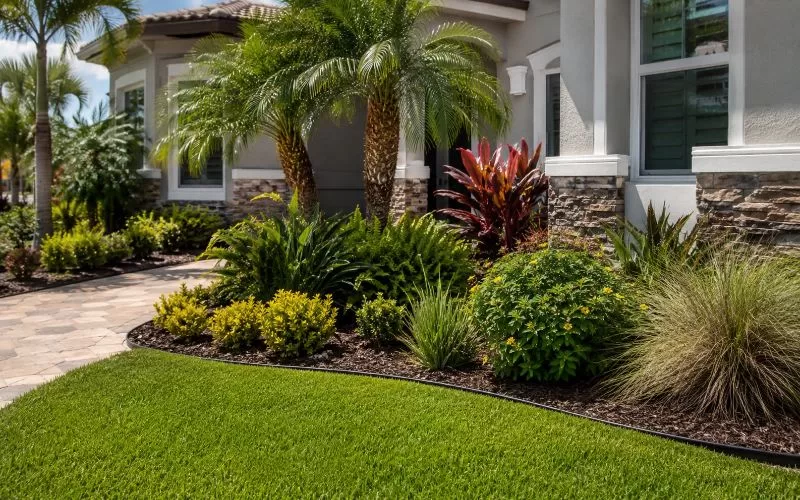
Florida-friendly landscaping is one of the best ways to create a beautiful, low-maintenance yard that works with Florida’s heat, humidity, heavy rain, sandy soil, and long growing season. Instead of relying on plants that struggle in the climate or watering habits that waste time and resources, this approach focuses on choosing the right plants, improving soil health, conserving water, reducing runoff, and creating an outdoor space that still feels polished and inviting.
For homeowners, the goal is not a perfect yard that needs attention every weekend. It is a landscape that looks cared for, supports curb appeal, uses resources wisely, and makes your outdoor space easier to enjoy throughout the year.
Why Florida-Friendly Landscaping Works So Well Here
Florida-friendly landscaping works best when your yard is planned around its natural layout and growing environment. Instead of forcing high-maintenance plants into the wrong spots, you choose options that fit the amount of sun, shade, drainage, soil type, and water each area receives.
The UF/IFAS program is based on practical principles such as choosing the right plant for the right place, watering efficiently, using mulch, managing pests responsibly, recycling yard waste, reducing runoff, and protecting Florida’s waterways.
For homeowners, those ideas translate into simple choices. A plant that thrives in full sun should not be tucked into deep shade. A moisture-loving plant may struggle in a dry corner of the yard. A low area that holds water after summer storms may need a different solution than a sandy spot that dries out quickly.
When your landscape is designed around the way your yard naturally behaves, it becomes easier to maintain and more likely to thrive.
Quick Ways to Make Your Yard More Florida-Friendly
A more sustainable Florida yard can be built gradually, starting with the areas that need the most attention. Even a few thoughtful updates can make the space easier to maintain and better suited to the climate:
- Replace struggling plants with options that match your sun, shade, and soil conditions.
- Add mulch around trees, shrubs, and garden beds to help retain moisture and reduce weeds.
- Group plants with similar water needs together so irrigation is more efficient.
- Use compost or organic matter to improve sandy soil over time.
- Choose outdoor updates that reduce maintenance instead of adding more weekly chores.
Start With the Right Plants in the Right Places
A low-maintenance Florida yard starts with choosing plants for the space they will live in, not just how they look at the nursery. A plant may look healthy and appealing in a container, but it still needs the right balance of sun, shade, moisture, and drainage to perform well once it is in the ground.
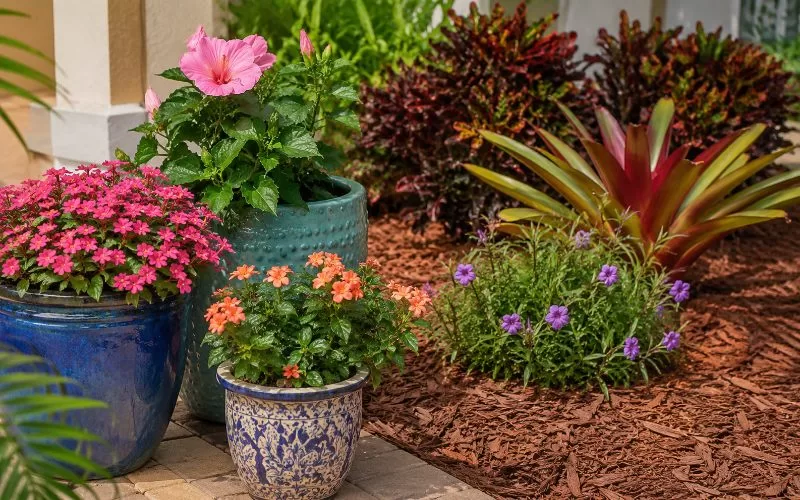
Before adding anything new, look at your yard in sections. Notice which areas get strong afternoon sun, which spots stay shaded, where rainwater collects, and where the soil dries quickly. Then choose plants that match those conditions.
Native plants can be a smart choice, especially when they support pollinators and local wildlife, but a Florida-friendly yard is not limited to natives. The better question is whether each plant suits your location, maintenance style, and growing conditions. If you need help narrowing down options, this plant selection guide is a helpful place to start.
For a polished look, mix plants with different heights and textures. Use shrubs to create structure, groundcovers to soften edges, ornamental grasses for movement, and flowering plants for seasonal color. You can still have a beautiful yard without filling every empty spot with plants that need constant trimming, watering, or fertilizing.
If you are already working on broader backyard upgrades, think of landscaping as part of the overall plan instead of an afterthought. The right plants can soften patios, create privacy, frame walkways, and make the whole outdoor space feel more finished.
Water Smarter, Not More
Watering habits have a major impact on how well a Florida landscape performs. More water does not always lead to healthier plants; in many cases, overwatering can weaken roots, encourage fungus, create runoff, and make the yard less resilient over time.
A better approach is to group plants with similar water needs together. Keep thirstier plants in smaller, high-impact areas near patios or entrances, then use more drought-tolerant plants in larger sections of the yard. This makes watering easier and prevents one part of the yard from being overwatered just to keep another part alive.
Mulch also helps by holding moisture in the soil and keeping plant roots cooler. Around shrubs, trees, and garden beds, mulch can reduce weeds and help the yard look tidier with less effort. Just keep mulch pulled slightly away from trunks and stems so moisture does not sit directly against the plant.
Smart irrigation can also be useful if your current watering schedule runs whether the yard needs it or not. Weather-based controllers, rain sensors, drip irrigation, and simple hose timers can help reduce unnecessary watering. A few smart lawn care tools can make outdoor maintenance easier while still supporting a healthier yard.
Build Better Soil With Mulch and Compost
Florida soil can be sandy and quick-draining in many areas, which means water and nutrients may not stay where plants need them. Building better soil does not have to be complicated, but it does take consistency.
Compost is one simple way to improve soil structure over time. It can be added to garden beds, mixed into planting areas, or used as part of a seasonal refresh for flowers, vegetables, and landscape plants. Even a modest amount of organic matter can help sandy soil hold moisture and support healthier plant growth.
Yard waste can also be reused in smart ways. Grass clippings, leaves, and small plant trimmings can help return organic matter to the landscape when handled properly. Even if you do not want a full composting setup, being thoughtful about what leaves the yard and what can be reused is part of a more sustainable landscape routine.
For many Florida homeowners, mulch is the easiest place to begin. It gives garden beds a clean look, helps suppress weeds, protects the soil from drying out too quickly, and can make the entire yard feel more intentional.
Manage Pests and Fertilizer Responsibly
Florida pests are part of outdoor living, but reaching for the strongest treatment every time is not always the best answer. A healthier landscape often starts with healthier plants. Plants in the right location, with proper watering and soil support, are usually better able to handle stress.
Walk your yard regularly and look for early signs of stress. Yellowing leaves, chewed edges, brown patches, mildew, or sudden plant decline can point to different issues, and treating the entire yard before identifying the problem can create more work than it solves. A more measured approach helps you respond to pests or plant stress without overusing products your landscape may not need.
Fertilizer should also be used carefully. More is not always better, especially before heavy rain, when nutrients can wash away into storm drains, canals, ponds, and waterways. Choose products appropriate for your landscape, follow local rules, and avoid fertilizing when storms are expected.
A Florida-friendly yard should support the environment around it, not create more runoff and maintenance problems.
Make the Yard Easier to Enjoy
A low-maintenance yard is not only about plants and irrigation. It is also about how the space functions. If your yard is beautiful but uncomfortable, cluttered, dark, or difficult to use, it will still feel unfinished.
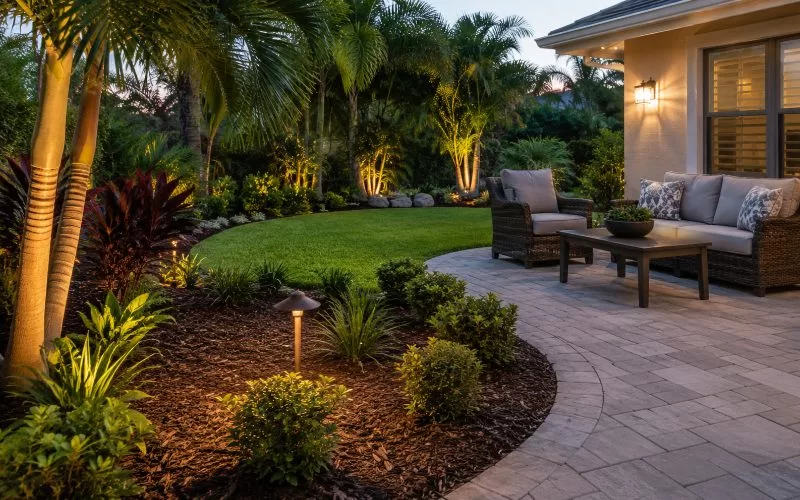
Create simple zones for the way you live. You might have a small seating area near the patio, a grilling space, a few container plants, a garden bed, or a shaded spot for relaxing. You do not have to redo the whole backyard at once. Small improvements often make the biggest difference.
Lighting is another practical way to make the yard feel finished without adding much maintenance. A few well-placed path lights or soft patio lights can make walkways safer, highlight garden beds, and help the space feel more usable in the evening. If you are updating the yard beyond plants, outdoor lighting can be an easy improvement to plan alongside landscaping.
It also helps to stay ahead of seasonal upkeep. Trim overgrown plants before they become a major project, check irrigation before the dry season, clear drainage areas before heavy summer rain, and keep an eye on trees or branches before storm season. A simple Florida home maintenance routine can protect the work you put into your outdoor space.
A Beautiful Florida Yard Does Not Have to Be High-Maintenance
Florida-friendly landscaping is not about creating a perfect yard; it is about making smarter choices for the space you have. When you choose plants that fit your yard, water with intention, use mulch, improve the soil, manage pests responsibly, and design around how you use the space, outdoor maintenance becomes more realistic.
A beautiful Florida yard can still have color, curb appeal, tropical texture, and inviting places to relax without requiring constant attention. With thoughtful planning, the landscape feels like part of your home instead of another chore you are always trying to keep up with.