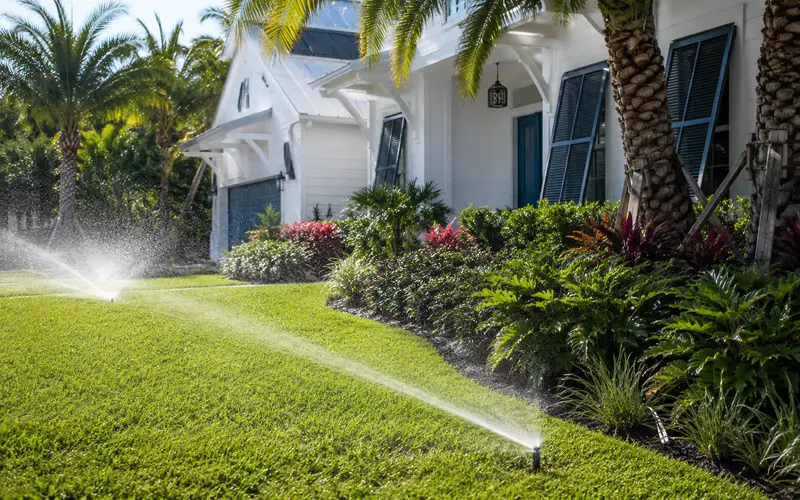
Keeping your yard healthy and water-smart can be challenging when it must handle intense sun, seasonal rain, sandy soil, and watering restrictions. Irrigation efficiency matters because a leaking line, misaligned sprinkler head, or poorly programmed system can waste valuable water while leaving parts of your lawn stressed.
A properly working irrigation system helps deliver water where it is needed while protecting your grass, landscaping, water bill, and curb appeal.
Signs Your Sprinkler System Needs Attention
Most irrigation issues don’t start with a dramatic pipe burst or a geyser in the front yard. They begin with subtle clues. You might notice one strip of grass turning brown while the rest stays green. You may see water running down the sidewalk instead of soaking into your flower beds. Sometimes a sprinkler head keeps dribbling after the cycle ends, which is essentially your yard’s version of a leaky faucet.
These small problems matter even more in Florida, where heat stress builds quickly. A missed watering zone during a hot week can leave turf weak and vulnerable. At the same time, too much water invites fungus, root rot, and mosquito-friendly puddles. If you spot uneven coverage, sputtering heads, low pressure, or zones that won’t turn on, your sprinkler system may need attention.
Match Irrigation to Your Yard’s Conditions
No two yards have exactly the same irrigation needs. A yard near the coast can have different drainage and wind exposure than one farther inland. St. Augustine grass, palms, ornamental shrubs, and seasonal flowers all use water differently. Add sandy soil into the equation, and water can move through the ground quickly if your timing or spray pattern is off.
That’s where local experience matters. Choosing sprinkler repair in Sarasota County can help address issues tied to the area’s climate, plant types, and irrigation regulations. A repair that works in another region may not solve the real problem. You want adjustments that fit your yard’s layout, water pressure, sun exposure, and drainage patterns rather than a generic or temporary fix.
Common Sprinkler Problems You Might Miss
A broken sprinkler head is easy to spot when water sprays like a mini fountain show. Other problems are sneakier. A clogged nozzle can reduce coverage just enough to stress one section of lawn. A valve problem may keep a zone from opening fully. Pressure issues can create misting, which looks harmless but wastes water because much of it blows away or evaporates before reaching the roots.
Watch for these common trouble signs:
- Uneven green and brown patches
- Water pooling near sprinkler heads or along hard surfaces
- Sprinklers spraying walls, driveways, or the street
- Heads that do not pop up or retract properly
- A sudden jump in your water bill
- Zones running at the wrong time or not shutting off
A sprinkler system can still turn on and appear to work while performing poorly. This partially functional stage is where a significant amount of water waste can occur.
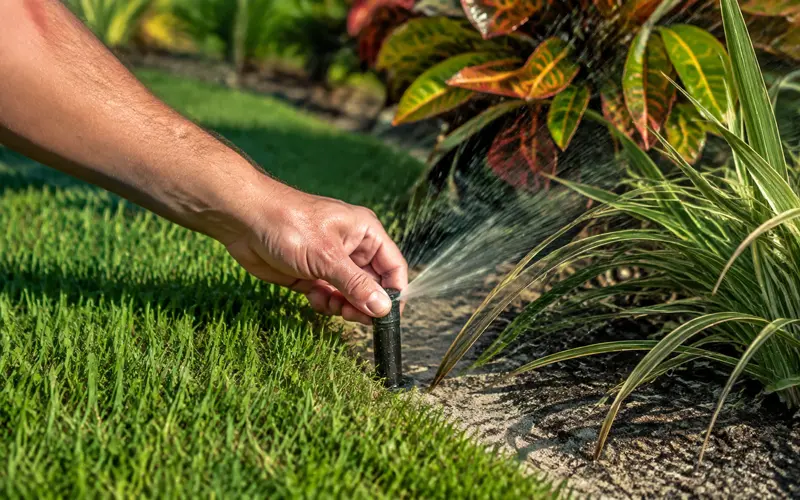
Smart Repairs Can Lower Your Water Bill Without Hurting Your Lawn
People often assume a greener lawn always costs more money, but an efficient irrigation system uses water where it counts and avoids overwatering areas that don’t need it. If your sprinkler heads are mismatched, tilted, blocked by growth, or leaking underground, you may be paying more while getting poor results.
Repairs can improve performance in ways you’ll notice. Replacing worn heads, correcting overspray, fixing wiring issues, and adjusting run times can quickly reduce waste. In many cases, the biggest improvement comes from zoning. Grass, shrubs, and garden beds often need different watering schedules, so using the same schedule for all of them may lead to overwatering or underwatering.
You should also pay attention to the controller. If it still runs on settings from cooler months, your watering schedule could be inaccurate. A smart controller can help, but only when the rest of the irrigation system is working properly.
Regular Checkups Help Prevent Emergency Repairs
You don’t need to become an irrigation technician, but a quick monthly walk-through can save you a lot of trouble. Run each zone for a few minutes and observe what happens. Look at the spray pattern, check whether water reaches the right areas, and see if any heads are blocked by grass or mulch. Listen, too. Hissing, sputtering, or a valve that sounds strained can point to pressure or mechanical issues.
Seasonal inspections are also helpful, especially before the hottest stretch of the year. Plant growth can change sprinkler coverage, soil can settle, and lawn crews sometimes bump heads out of alignment. Even a system that appears to be working properly may need occasional adjustments.
A simple maintenance routine might include:
- Testing each zone once a month
- Cleaning clogged nozzles
- Trimming plants around sprinkler heads
- Checking for soggy spots that suggest leaks
- Updating controller settings with the seasons
Regular sprinkler maintenance makes yard care easier and helps prevent small issues from becoming costly repairs.
A Healthy Landscape Supports Curb Appeal and Everyday Comfort
A good-looking yard isn’t only about appearances, though that part certainly helps. Healthy grass and plants make your outdoor space more usable, inviting, and easier to manage. If you enjoy spending time outside with family, hosting friends, or simply coming home to a well-maintained property, irrigation plays a larger role than you may realize.
Poor sprinkler performance can also create problems around the house. Overspray near walkways can make surfaces slippery. Water hitting siding or fencing day after day may cause premature wear. Constantly soggy areas can damage plant beds and attract pests, while poor sprinkler coverage can leave other parts of the yard dry and stressed.
Keeping your sprinkler system in good condition supports the entire landscape, not just the lawn.
When to Call a Sprinkler Repair Professional
Some irrigation fixes are simple, like clearing a clogged nozzle or straightening a tilted head. Others need a trained eye. Electrical faults, valve failures, low-pressure problems, hidden leaks, and controller issues can take considerable time to diagnose. Digging in the wrong place or replacing parts without addressing the underlying cause often leads to recurring problems.
If your system keeps losing pressure, zones behave unpredictably, or you’re seeing persistent dry spots despite schedule changes, it may be time to call a professional. The goal isn’t simply to get water spraying again. You want balanced coverage, efficient operation, and settings that make sense for your yard.
A properly working irrigation system helps deliver water where it is needed while protecting your grass, landscaping, water bill, and curb appeal. Consistent coverage helps keep your lawn healthy without wasting water.