
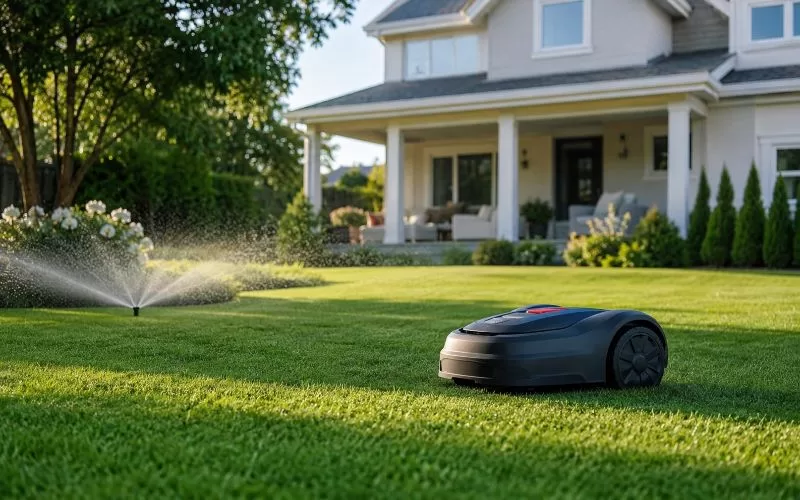
Smart lawn care tools can help homeowners spend less time managing the yard while keeping outdoor spaces neat, functional, and easier to maintain. From robot lawn mowers and smart irrigation systems to weather-based timers and lawn care apps, the right tools can simplify routine maintenance without making your yard feel overly complicated.
Smart lawn care has come a long way from simply hiring a lawn service or spending the weekend behind a mower. For homeowners, the appeal of a robot lawn mower is easy to understand: less time managing the yard, fewer repeat maintenance tasks, and a lawn that stays more consistent between services. I live in Florida, where grass, heat, rain, and outdoor upkeep can feel constant, so anything that helps simplify lawn care is worth a closer look.
Of course, no smart lawn tool is a one-size-fits-all solution. Yards with fenced and unfenced areas, landscaping, charging access, slopes, pets, or heavy debris may need a little more planning. The goal is not to add more gadgets to manage, but to choose tools that actually make lawn care easier for the way your home and yard are set up.
Start With the Yard You Actually Have
Before investing in any smart lawn care tool, it helps to look at your yard realistically. A wide-open lawn may be easier to automate than a yard with gates, separate sections, trees, flower beds, or narrow side areas. The best tool is the one that solves a real problem, not just the one that sounds the most impressive.
This is where I would personally slow down and think through the setup. My yard has both fenced and unfenced areas, so a robot mower would need to make sense for more than one section of grass. A smart irrigation system would also need to water the right areas without wasting water on the driveway, patio, or landscaping that does not need the same schedule.
A few questions worth asking before buying anything:
- Which parts of the lawn take the most time to maintain?
- Is the yard one open space or divided into separate areas?
- Are there gates, pets, flower beds, or outdoor furniture to work around?
- Does the lawn get full sun, heavy rain, shade, or standing water?
- Would the tool reduce work, or would it create more troubleshooting?
This kind of planning fits into overall home maintenance because outdoor upkeep is one of those things that is easier to manage when you stay ahead of it. A little thought before buying can save a lot of frustration later.
Robot Lawn Mowers for Hands-Off Mowing
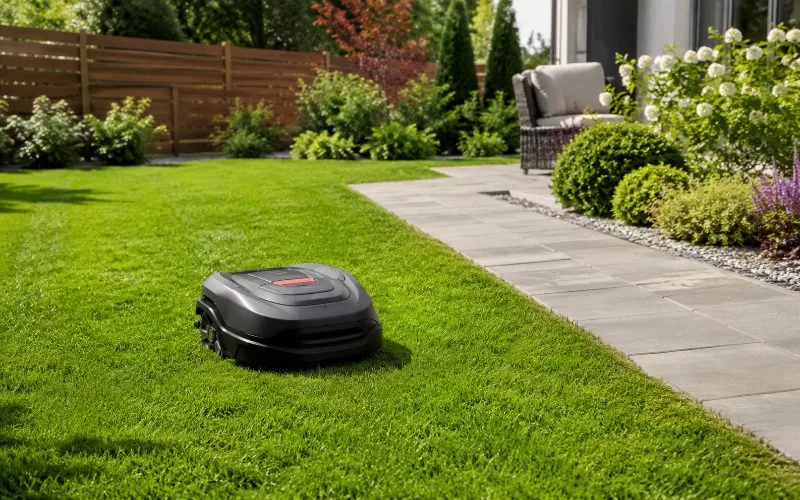
Robot lawn mowers are probably one of the first tools people think of when they hear “smart lawn care.” The idea is appealing: the mower handles regular cutting on a schedule, the lawn stays more consistent, and you are not dragging out equipment every weekend.
For homeowners who dislike mowing or want to reduce the cost of ongoing lawn service, a robot mower could be a practical upgrade if the yard is a good fit. Many models are designed to cut more frequently in smaller amounts, which can help keep the lawn looking maintained without waiting for a major mowing day.
The important part is matching the mower to the yard. Some lawns are simple and easy to automate, while others may need more planning because of slopes, separate zones, landscaping, or access to charging. If you are comparing models, it also helps to look at compatible accessories for robot lawn mowers so you understand how the full setup could work for your space.
A robot mower may not completely replace every part of lawn care, especially if your yard still needs edging, trimming, or cleanup after storms. Still, for the mowing itself, it can be one of the more interesting smart tools for homeowners who want a neater lawn with less hands-on work.
Smart Irrigation Controllers That Water More Efficiently
Watering is another part of lawn care that can quietly waste time, money, and water when it is not managed well. A smart irrigation controller can adjust watering schedules based on weather, season, and sometimes soil or landscape conditions. Instead of running the sprinklers on the same schedule no matter what, the system can respond more intelligently.
This is especially helpful in places where rain can be unpredictable. A traditional timer may still water after a storm, while a weather-based controller can help reduce unnecessary watering by adjusting the schedule based on local conditions. Instead of running on the same fixed timer every day, smart irrigation tools can help water more efficiently by applying water when the lawn or plants actually need it.
For homeowners, that can mean fewer manual schedule changes and less guilt when you realize the sprinklers ran during a rainy week. It also helps make lawn care feel more connected to the actual conditions outside instead of relying on a fixed schedule that may not make sense year-round.
If you are trying to make your yard more efficient, smart irrigation is one of the more practical upgrades to consider. It supports a healthier lawn while helping avoid the kind of overwatering that can waste resources and create drainage issues.
Smart Sprinkler Timers for Smaller Areas
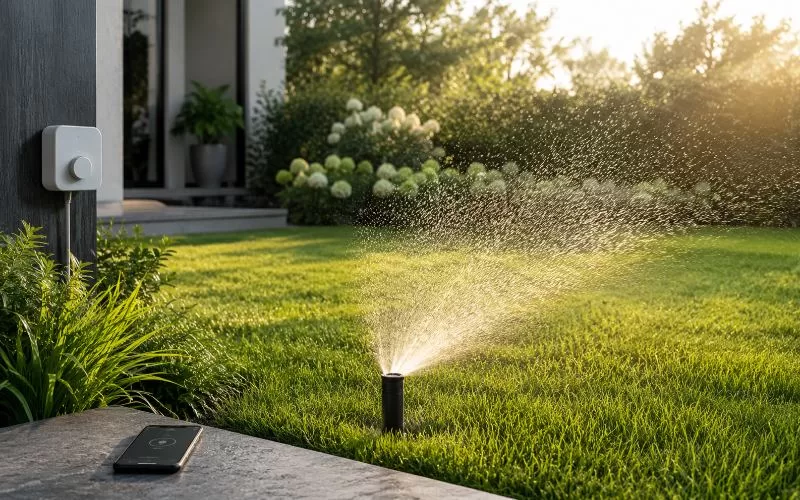
Not every home needs a full irrigation system. Some homeowners use hoses, sprinklers, or smaller watering zones for side yards, garden beds, or patchy grass areas. In that case, a smart hose timer can be a simpler and more affordable option.
Smart hose timers can usually be controlled from an app, scheduled by day or time, and paused when rain is expected. They are helpful for areas that need regular watering but do not justify a full irrigation setup.
This can be a good middle-ground tool if you are trying to keep up with a smaller lawn area, a new patch of sod, or a garden bed that needs more consistency. It is not as advanced as a full smart irrigation controller, but it can still save time by taking one more repetitive outdoor task off your plate.
The key is to keep the setup simple. If the timer is easy to adjust and you remember to check it seasonally, it can make watering feel more manageable without turning it into a complicated project.
Soil Moisture and Rain Sensors
Soil moisture sensors and rain sensors can make watering decisions smarter. A rain sensor can stop irrigation from running when enough rain has already fallen, while a soil moisture sensor can help determine whether the lawn or landscaping actually needs water.
These tools are useful because the surface of the lawn does not always tell the whole story. The grass may look dry in one area while another section is holding moisture. Sensors can help reduce guesswork and make watering more efficient.
For homeowners, the biggest benefit is peace of mind. You are not constantly wondering whether the lawn needs water or whether the sprinklers are running too often. The system has more information to work with, which can make your outdoor routine feel a little less reactive.
This is one of those upgrades that may not be exciting to look at, but it can make a real difference in how well your lawn care system functions.
Lawn Care Apps and Digital Scheduling
Sometimes the smartest lawn care tool is not a piece of equipment at all. A simple lawn care app, reminder system, or digital calendar can help homeowners keep track of mowing, watering, fertilizing, pest control, seasonal maintenance, and service appointments.
This is especially helpful if you hire a lawn company but still want to stay aware of what is happening outside. You may not be the one mowing every week, but you still need to notice brown patches, sprinkler problems, drainage issues, or areas that need extra attention.
A digital schedule can help you track:
- Lawn service dates
- Irrigation checks
- Fertilizer or treatment timing
- Seasonal cleanup
- Equipment maintenance
- Areas of the yard that need repair
It sounds simple, but simple systems are often the ones that are easiest to keep using. If you are already working on backyard upgrades, a basic lawn care schedule can help protect the work you put into the space.
Cordless and Battery-Powered Outdoor Tools
Not every time-saving lawn tool has to be fully automated. Cordless and battery-powered outdoor tools can also make lawn care easier because they are quicker to grab, easier to store, and often less frustrating than dealing with cords or gas-powered equipment.
A lightweight trimmer, blower, or edger can help with the finishing touches that smart mowers may not handle. Even if a robot mower keeps the grass cut, most yards still need edges cleaned up around sidewalks, patios, fences, and landscaping.
This is where a practical mix of tools can make the most sense. A robot mower might handle the regular cutting, while a cordless trimmer or blower helps finish the job quickly. The right combination can reduce the feeling that lawn care is an all-day project.
For me, this is the kind of tool category that feels realistic for a lot of homeowners. It may not be as exciting as a robot mower, but anything that makes a hated chore faster and easier has value.
Smart Outdoor Plugs and Timers
Smart outdoor plugs and timers can help manage small lawn and garden tasks, especially when paired with fountains, landscape lighting, seasonal decor, small water features, or certain outdoor equipment. While they are not lawn care tools in the traditional sense, they can still make outdoor spaces easier to manage.
For example, an outdoor smart plug can help automate lights around a patio or garden area so you are not manually turning things on and off each night. It can also help control certain outdoor devices on a schedule, depending on the product and power needs.
If your goal is to make your outdoor space easier to enjoy, this kind of automation fits naturally with lawn care. A yard that looks nice during the day should also function well in the evening. A few smart lighting choices can make an outdoor area feel more finished and easier to use after the sun goes down.
The best part is that smart plugs are usually small upgrades. You can add them gradually instead of committing to a major outdoor project all at once.
Safety Still Matters With Smart Lawn Tools
Smart lawn care tools can save time, but they still need to be used carefully. Robot mowers, trimmers, edgers, and other outdoor tools have moving parts, batteries, blades, or electrical components, so manufacturer instructions matter.
Before using a robot mower, the lawn should be clear of toys, branches, hoses, pet items, and anything else that could get in the way. Children and pets should also stay away from mowing equipment while it is operating.
Smart lawn tools can make outdoor maintenance easier, but they still need to be set up and used safely. A robotic mower, for example, may handle more of the work on its own, but it still requires the right settings, a clear mowing area, and regular checks to make sure it is working properly. Smart does not mean completely hands-off; it means the tool can help save time when it is used correctly.
A quick yard check before mowing or watering can prevent unnecessary stops, protect your equipment, and keep the yard safer for everyone.
How to Decide Which Smart Lawn Tools Are Worth It
The best smart lawn care tools are the ones that solve the tasks you dislike most. If mowing is the chore you dread, a robot mower may be worth researching. If watering is inconsistent or wasteful, a smart irrigation controller may make more sense. If your main issue is keeping up with smaller tasks, a cordless trimmer, blower, or scheduling app may be enough.
Before buying, think about your budget, lawn layout, maintenance habits, and how much control you want from an app. It also helps to consider whether the tool will save time after the initial setup, because some smart products require more planning upfront.
A smart lawn care tool should make your yard easier to manage, not more complicated. If it fits your space and your routine, it can help turn outdoor maintenance from a constant chore into something that feels much more manageable.
Making Lawn Care Easier to Live With
Most homeowners want a yard that looks cared for without spending every weekend maintaining it. Smart lawn care tools can help with that, especially when they are chosen for your actual yard instead of an ideal version of it.
For some homes, that might mean a robot lawn mower. For others, it may be a smart irrigation controller, a hose timer, a moisture sensor, or a few battery-powered tools that make quick touch-ups easier. The right setup does not have to be complicated to be useful.
A well-maintained yard makes the whole home feel more inviting. When smart tools help reduce the time and frustration behind the scenes, it becomes easier to enjoy the outdoor space instead of constantly working on it. A robotic mower could be a great option if it works well for the layout of the yard, reduces hands-on maintenance, and possibly cuts down on long-term lawn care costs.