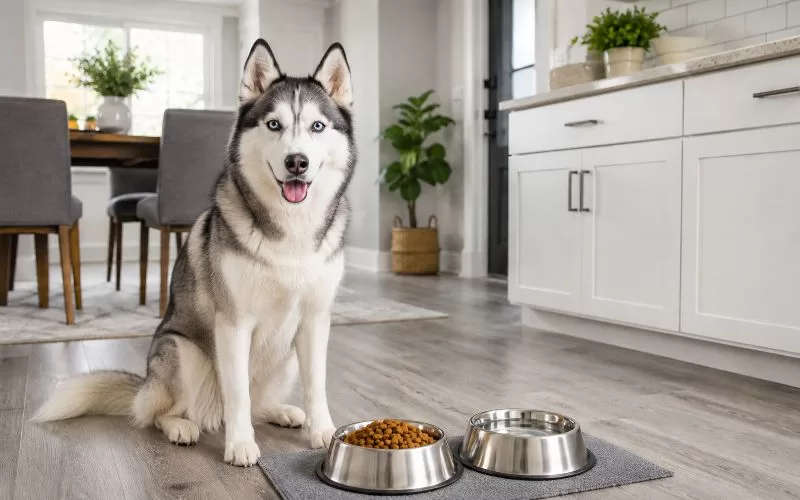
Choosing a healthy, balanced diet for your dog can feel overwhelming when every bag, can, and fresh food brand promises something different. Some foods highlight protein, others focus on grain-free ingredients, and some make homemade feeding sound simple. With so many options, it helps to step back and focus on what your dog truly needs from their daily food.
As a dog owner, I know how easy it is to feel pulled in different directions when choosing food. One brand highlights protein, another focuses on grain-free ingredients, and another promises fresh, simple nutrition. It can make something as everyday as feeding your dog feel more complicated than it needs to be. A balanced dog diet is not about following the latest trend or choosing the prettiest package. It is about choosing food that supports your dog’s age, size, activity level, health needs, and daily routine.
This guide will walk through the basics of choosing a healthy, balanced diet for your dog, including what to look for on a dog food label, how life stage matters, why portions are important, and when to talk to your veterinarian before making changes.
What a Balanced Diet for Dogs Really Means
A healthy dog diet should provide the nutrients your dog needs in the right amounts and ratios. According to AAFCO’s guide to selecting the right pet food, “complete” means the food contains all required nutrients, while “balanced” means those nutrients are present in the correct ratios.
That is why the phrase “complete and balanced” matters when you are looking at dog food. It tells you the food is intended to meet your dog’s nutritional needs for a specific life stage, such as puppy growth, adult maintenance, pregnancy/nursing, or all life stages.
Dogs need a combination of:
- Protein for muscles, tissue repair, and normal body function
- Fat for energy, skin, coat, and nutrient absorption
- Carbohydrates and fiber for energy and digestion
- Vitamins and minerals for bones, nerves, immune function, and metabolism
- Water for hydration, digestion, and daily wellness
- The right calories for their size, age, and activity level
The goal is not to create a perfect-looking ingredient list. The goal is to choose a food that gives your dog reliable daily nutrition.
Start With Your Dog’s Life Stage
One of the easiest ways to narrow down dog food choices is to start with your dog’s life stage. Puppies, adults, seniors, pregnant dogs, nursing dogs, and highly active dogs do not all need the same nutrient balance or calorie level.
Puppies need food designed for growth because their bodies are developing quickly. Adult dogs usually need food made for maintenance. Senior dogs may need adjustments depending on weight, dental health, joint comfort, digestion, or medical conditions.
Read the Dog Food Label Carefully
The front of a dog food package is mostly marketing. The more useful information is usually on the back or side of the bag or can.
When choosing dog food, look for:
- The nutritional adequacy statement
- The intended life stage
- Feeding directions
- Calorie content
- Guaranteed analysis
- Ingredient list
- Manufacturer information
The nutritional adequacy statement is especially important because it tells you whether the food is formulated to meet established nutrient profiles or has gone through feeding trials. Avoid choosing a food only because it says “premium,” “natural,” “holistic,” or “human-grade.” Those words may sound appealing, but they do not tell you whether the food is the right fit for your dog.
The WSAVA Global Nutrition Guidelines are also a helpful reminder that nutrition should be looked at as part of your dog’s overall health, not just as a bag of food. If your dog has health conditions, allergies, weight concerns, or digestive issues, your veterinarian can help you choose a food that makes sense for your dog.
Choose Food Made for Your Dog’s Needs
A healthy, balanced diet for your dog should match your dog’s real life. A couch-loving small dog, a growing puppy, a senior dog, and an active working dog may all need different calorie levels and formulas.
Think about:
- Your dog’s age
- Breed and size
- Activity level
- Weight and body condition
- Health history
- Food sensitivities or allergies
- Dental health
- Digestive tolerance
- Whether your dog is spayed or neutered
If your dog is gaining weight, losing weight, itching, vomiting, having diarrhea, or showing major appetite changes, it is worth asking your vet before switching foods over and over. Food can play a role, but symptoms can also be connected to medical issues that need attention.
Food should remain the foundation of your dog’s nutrition. If your veterinarian recommends additional support, supplements for dogs can be considered based on your pet’s age, diet, and individual health needs. Supplements should complement rather than replace complete and balanced dog food.
Food is only one part of maintaining your dog’s health. Regular vet care, exercise, dental habits, grooming, and a steady daily routine all work together to support your dog’s overall wellness.
Do Dogs Need Grain-Free Food?
Not every dog needs grain-free food. Some dogs may need a special diet because of allergies or medical conditions, but that should be based on your dog’s needs, not marketing.
Grains like rice, oats, barley, and other carbohydrates can be part of a balanced dog food. The bigger question is whether the entire formula is complete, balanced, appropriate for your dog’s life stage, and made by a company that takes nutrition and quality control seriously.
The FDA has continued to look into reports of non-hereditary dilated cardiomyopathy, or DCM, in dogs and notes that many reported diets had legumes or pulses such as peas and lentils high in the ingredient list. The FDA also says there is no single confirmed cause and encourages pet owners to discuss diet questions with their veterinarians. You can read more in the FDA’s questions and answers about non-hereditary DCM in dogs.
That does not mean every grain-free food is automatically bad. It means diet trends deserve a careful look, especially if your dog has health concerns or belongs to a breed with heart disease risk.
Be Careful With Raw and Homemade Diets
Raw and homemade dog food can sound appealing because it feels personal and fresh. The challenge is that balanced dog nutrition is more complicated than combining meat, vegetables, and supplements.
The FDA warns that raw pet food diets can be dangerous because they may carry disease-causing bacteria that can affect pets and people in the household.
Homemade diets have a different concern: they can easily become nutritionally incomplete. UC Davis reported that most home-prepared dog food recipes evaluated in one study did not provide essential nutrients in the amounts dogs need. Their guidance recommends consulting a board-certified veterinary nutritionist instead of relying on general recipes from books or the internet.
If you are considering homemade food, fresh meals, or fresh or raw feeding options, treat it as a conversation to have with your veterinarian. These diets should be carefully formulated, not guessed.
Portion Control Matters
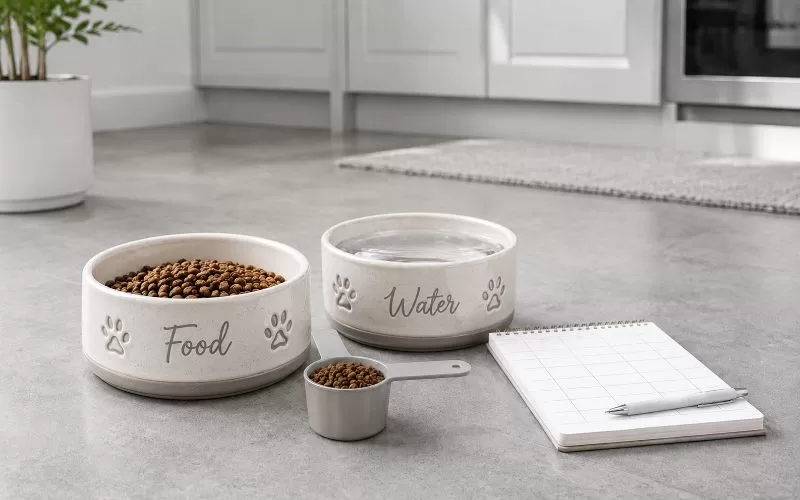
Even a high-quality dog food can cause problems if your dog eats too much or too little. Feeding directions on the package are a starting point, not a perfect rule for every dog.
Your dog’s ideal portion may depend on:
- Current weight
- Goal weight
- Activity level
- Age
- Metabolism
- Treat intake
- Whether they are spayed or neutered
- Health conditions
Pay attention to your dog’s body shape and energy level. You should be able to feel their ribs without pressing hard, but the ribs should not be sharply visible on a healthy-weight dog. Your vet can help you understand your dog’s body condition score and whether their portions need adjusting.
If you use an automatic feeder, measuring meals can be easier because the portions stay more consistent, especially on busy days or when pets are fed on a schedule.
Treats Should Stay Treats
Treats can absolutely be part of your dog’s routine, but they should not take over the diet. Too many treats can add extra calories and throw off the balance of your dog’s regular food.
This includes store-bought treats, training treats, table scraps, chews, and homemade treats. In our house, treats are part of the fun, but I try to keep them in the “extra” category. A special homemade treat can be a sweet way to spoil your dog, but it should not replace the balanced food they rely on every day.
A simple rule is to keep treats small and pay attention to how your dog responds. If your dog gets an upset stomach, gains weight quickly, or starts refusing regular meals because they are waiting for extras, it may be time to scale back.
Fresh Water Is Part of Good Nutrition
Water is easy to overlook, but it is one of the most important parts of your dog’s daily care. Dogs need access to clean, fresh water every day. Water supports digestion, temperature regulation, nutrient transport, and overall comfort.
Living in Florida, I am always thinking about water and shade for our dogs, especially during the warmer months. Fresh water matters every day, but it becomes even more important during hot weather, outdoor time, walks, travel, or exercise. If your dog struggles in the heat, a few simple summer safety habits can help keep them cooler and more comfortable.
Contact your veterinarian if your dog suddenly drinks much more or much less than usual. Changes in thirst can be connected to health issues that should not be ignored.
Know Which Human Foods Are Unsafe for Dogs
Some human foods are dangerous for dogs, even in small amounts. The ASPCA’s list of people foods to avoid feeding pets includes foods such as chocolate, xylitol, grapes, raisins, onions, garlic, alcohol, coffee, caffeine, macadamia nuts, and avocado.
It is safest to keep risky foods out of reach and remind family members not to share from their plates. This is especially important during holidays, parties, and family gatherings when food is left on tables or counters.
If you think your dog has eaten something unsafe, contact your veterinarian, an emergency veterinary clinic, or pet poison control right away. Do not wait for symptoms to appear.
Change Dog Food Slowly
If you decide to change your dog’s food, transition gradually unless your veterinarian gives different instructions. A sudden switch can cause stomach upset, especially for dogs with sensitive digestion.
A gradual transition usually means mixing a small amount of the new food with the old food, then increasing the new food over several days. Watch for changes in stool, appetite, vomiting, itching, or energy level.
Some dogs adjust easily. Others need more time. If your dog has a medical condition, food allergy, or history of digestive trouble, ask your vet before making the change.
Signs Your Dog’s Food May Not Be Working
A dog food that works well for one dog may not work well for another. Pay attention to patterns instead of changing food after one off day.
Signs to discuss with your veterinarian include:
- Ongoing vomiting or diarrhea
- Sudden weight gain or weight loss
- Constant itching or skin irritation
- Dull coat
- Low energy
- Refusing meals
- Excessive gas
- Changes in thirst
- Changes in stool quality
- Recurring ear issues
- Trouble chewing
These signs do not always mean food is the problem, but they are worth checking. Your vet can help decide whether your dog needs a different diet, medical testing, allergy support, or another type of care.
When to Ask Your Veterinarian About Dog Food
It is always a good idea to ask your veterinarian about your dog’s diet during routine visits. This is especially important if your dog is a puppy, senior, overweight, underweight, pregnant, nursing, or dealing with a medical condition.
Ask your vet before changing your dog’s diet if your dog has:
- Food allergies or suspected sensitivities
- Kidney disease
- Heart disease
- Diabetes
- Pancreatitis
- Chronic stomach issues
- Skin problems
- Dental concerns
- Joint or mobility issues
- A history of bladder stones or urinary issues
Your veterinarian may recommend a specific type of food, a therapeutic diet, a feeding amount, or a referral to a veterinary nutritionist. That guidance is more valuable than guessing based on online opinions.
Choosing a Healthy Diet With Confidence
Choosing a healthy, balanced diet for your dog does not have to be complicated, but it should be thoughtful. Start with food that is complete and balanced for your dog’s life stage, read the label beyond the marketing claims, feed the right portions, keep treats in moderation, and make fresh water easy to access.
Your dog’s diet should support their everyday life, not create more confusion. Some dogs do well on dry food, some do well on wet food, and some need special guidance because of age, health, allergies, or weight. The best choice is the one that meets your dog’s nutritional needs, fits your routine, and works with your veterinarian’s advice.
At the end of the day, feeding your dog well is one of the simplest ways to care for them. I want our dogs to enjoy their food, feel good, and stay healthy, but I also want to make choices that are practical, safe, and realistic for everyday life. A balanced diet, steady routine, and a little attention to changes in their body and behavior can go a long way toward helping your dog feel their best.