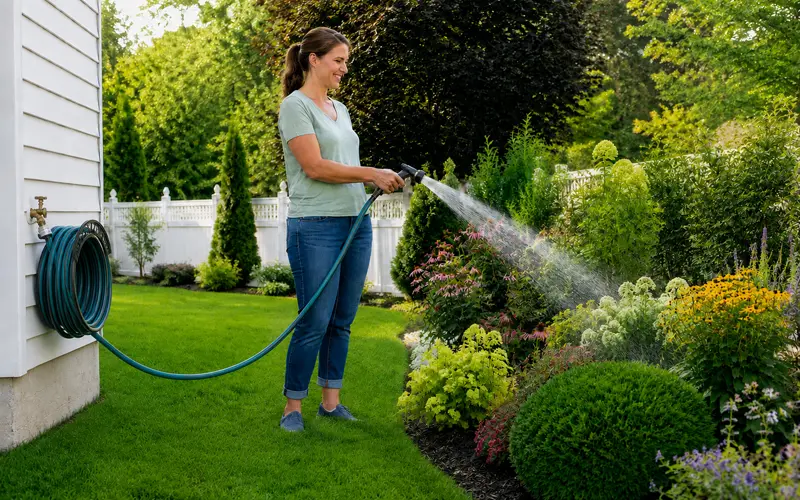
Watering the lawn, tending a garden, or rinsing off the patio are everyday outdoor tasks that most homeowners probably do without thinking much about the plumbing behind them. Connect the hose, turn on the water, and get to work.
However, a garden hose or irrigation system is connected to the same water supply used inside the home. Under certain conditions, water can move in the wrong direction through that connection. Known as backflow, this can allow water from a hose, sprinkler system, or other outdoor source to travel back toward the clean household water supply.
Backflow prevention is one of those small home-maintenance details that may not get much attention until there is a problem. Understanding how it happens and taking a few simple precautions can help protect the water supply while still making it easy to keep a lawn and garden looking their best.
What Is Backflow?
Backflow happens when water reverses direction within a plumbing system. Instead of clean water flowing from the household supply out through a faucet, hose, or sprinkler, water moves back toward the potable water supply.
One way this can happen is through a sudden drop in water pressure. A water main break, heavy demand on the municipal water system, or firefighting activity can temporarily reduce pressure. If the pressure on the supply side becomes lower than the pressure at an outdoor connection, water may be pulled backward through a hose or irrigation line.
The U.S. Environmental Protection Agency identifies cross-connections and backflow as potential ways non-potable water can enter a drinking-water system.
Backflow can also occur when pressure develops on the irrigation side of the system and pushes water backward. Either situation creates the possibility that water exposed to soil, chemicals, bacteria, or other outdoor contaminants could move toward the household water supply.
Why a Garden Hose Can Be a Problem
A garden hose seems harmless, but think about all the places the end of a hose may go during normal use. It might sit in a flower bed, be dropped into a bucket, fill a swimming pool, connect to a fertilizer sprayer, or be used around areas where soil and lawn chemicals are present.
If the end of the hose is submerged and a pressure change occurs, water from that location could potentially be siphoned backward.
Common hose attachments can also create possible cross-connections, including:
- Fertilizer or chemical sprayers
- Pressure washers
- Hose-end plant feeders
- Irrigation timers
- Misting systems
- Soaker hoses
- Pet-washing attachments
The attachment itself is not necessarily the problem. What matters is having appropriate protection between the outdoor connection and the home’s potable water system.
Homeowners who use timers and automated watering equipment may already be looking for ways to make yard maintenance easier. Along with safety considerations, smart lawn care tools such as hose timers, irrigation controllers, and rain sensors can make regular watering easier to manage.
Backflow and Home Irrigation Systems
Permanent irrigation systems add another layer because much of the equipment sits directly in the yard. Sprinkler heads, buried pipes, valves, and drip irrigation lines regularly come into contact with soil and outdoor contaminants.
Sprinkler heads may become covered with dirt, lawn treatments, or animal waste. Water can also collect around low sprinkler heads after heavy rain or overwatering. Drip irrigation tubing is often positioned directly on or beneath the soil.
That does not make an irrigation system unsafe, but it does explain why backflow protection is an important part of a properly designed system.
Homeowners repairing or updating an irrigation system may need valves, fittings, pressure-control components, and other plumbing and irrigation supplies that are compatible with the existing system. Backflow protection should be considered as part of the overall setup rather than as an afterthought.
Watering efficiently is also important, particularly in areas where heat and seasonal rainfall can make lawn care challenging. Choosing plants suited to the local environment and adjusting watering habits are both part of creating a more manageable yard. For more ways to create an attractive outdoor space without making yard maintenance a constant chore, explore these Florida-friendly landscaping ideas.
How Anti-Siphon Devices Help
An anti-siphon device is designed to prevent contaminated water from being siphoned backward into the potable water supply.
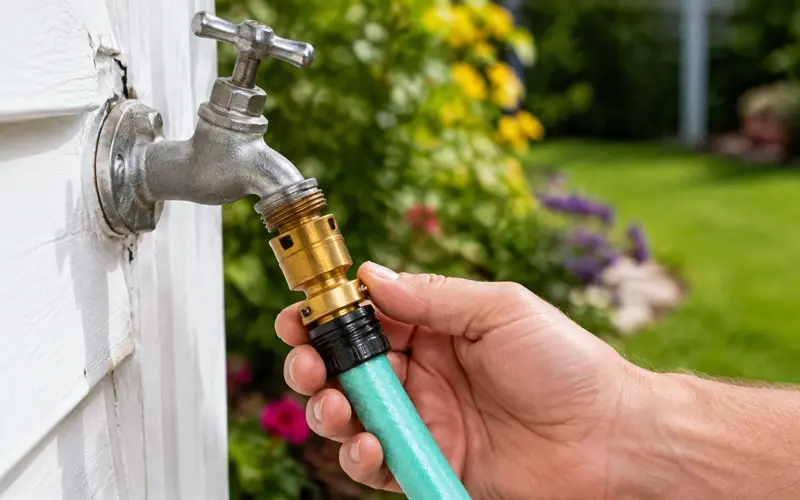
A common example is a hose bib vacuum breaker. This small device attaches to an outdoor faucet between the faucet and the garden hose. During normal use, water travels through it toward the hose. If supply pressure drops, the device allows air into the connection, helping break the vacuum that could pull water backward.
Permanent irrigation systems may use different types of backflow prevention depending on how the system is designed and the potential contamination risk.
Because these devices are not interchangeable in every situation, homeowners should avoid choosing one based only on pipe size or appearance. System pressure, installation location, valves, and the intended use of the irrigation system can all affect what type of protection is appropriate.
Local Backflow Requirements Matter
Backflow prevention requirements are not necessarily the same everywhere. Local plumbing codes, water utilities, and building departments may establish requirements for the type of device needed, where it must be installed, and whether regular testing is required.
For example, Florida has specific requirements related to cross-connection control and certain irrigation systems. The Florida Department of Environmental Protection provides information about the state’s backflow prevention program, but individual water utilities and local jurisdictions may have additional requirements.
A simple outdoor faucet may require a different type of protection than a permanent irrigation system. Systems that introduce fertilizer or other chemicals may require additional safeguards.
Before installing, replacing, or significantly modifying an irrigation system, homeowners should check with their local water utility or building department. Depending on the system and local regulations, installation or testing may also need to be completed by a qualified professional.
Keeping up with items such as irrigation, plumbing, roofing, drainage, and other routine upkeep is part of staying ahead of larger home problems. A regular look at Florida home maintenance can make it easier to catch smaller concerns before they turn into expensive repairs.
Simple Ways to Reduce Backflow Risk
Good watering habits can work alongside backflow prevention equipment. A few practical precautions include:
- Avoid leaving the end of a garden hose submerged in a bucket, pool, pond, or other container.
- Disconnect fertilizer and chemical sprayers when they are not being used.
- Keep hoses away from standing or contaminated water.
- Replace cracked hoses and leaking fittings.
- Check outdoor faucets and vacuum breakers for visible damage.
- Inspect sprinkler heads and irrigation components periodically.
- Pay attention to areas where water regularly pools around sprinkler heads or connections.
- Follow local requirements when repairing or modifying an irrigation system.
These steps are simple enough to work into normal outdoor maintenance and can help reduce unnecessary opportunities for contaminated water to enter a plumbing connection.
A Small Part of a Safer Outdoor Watering System
Backflow prevention may not be the first thing homeowners think about when watering the lawn or garden, but it serves an important purpose. Garden hoses and irrigation systems regularly come into contact with soil, standing water, fertilizers, and other outdoor contaminants, making the connection to the household water supply worth protecting.
Using appropriate backflow or anti-siphon protection, keeping hoses and irrigation equipment in good condition, and following local requirements can make outdoor watering safer without making lawn and garden care more difficult.