

Every day, many of us make small purchases without giving them much thought. Maybe it’s a single-serve coffee packet to kickstart the morning, a single-use packet of detergent, a bottle of water from the convenience store, or a mobile phone reload or prepaid balance. Each item on its own doesn’t seem like much, but before you know it, these tiny buys can quickly add up. One day, you check your wallet or your digital balance and wonder where all your money went.
Not planning for these small purchases can quietly throw off your budget and make it harder to reach your financial goals. The good news is that with a few smart strategies, you can still enjoy these everyday items and treats without letting them drain your budget. From simple habit tweaks to smarter buying choices, there are ways to manage these tiny expenses so they don’t turn into a bigger problem. Here are some practical tips to help you spend wisely on the little things.
1. Take Advantage of Promos and Cashback
Promos, discounts, and cashback offers can help you get more value from everyday small purchases. For example, topping up your prepaid load when there’s an ongoing load with cashback promo from e-wallets like Maya lets you pay less while still getting what you need. Convenience stores and online platforms also have deals like buy-one-get-one offers or discounted items on certain days, which can stretch your regular purchases further.
The key is to plan your purchases around these offers. Check for promotions before buying your usual items, so you can save a little each time. Over weeks and months, these small savings can really add up, giving you more breathing room in your budget and making everyday spending feel less stressful.
2. Buy in Bulk When It Makes Sense
Buying in bulk is a simple way to save money on items you use regularly. Single-serve coffee packets, snacks, cereal, and condiments usually cost less per serving when purchased in larger packs. While it may require spending a bit more upfront, buying in bulk reduces the need for frequent trips to the store and helps you avoid last-minute small purchases at higher prices.
Bulk purchases also make it easier to manage your pantry and keep essentials on hand. Instead of running out midweek and grabbing whatever is nearby, you have what you need ready, which makes it easier to stick to your budget and maintain consistent spending habits.
3. Track Your Small Purchases
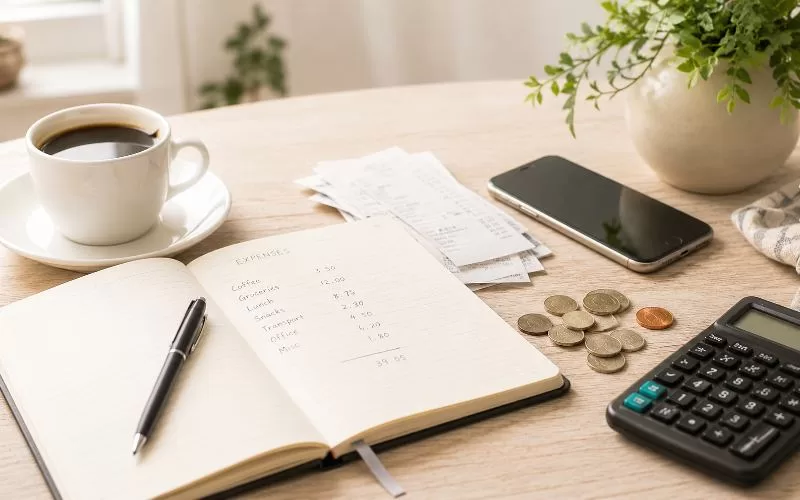
Small purchases can become more expensive than they have to be if you don’t keep track of them. By writing down your daily buys in a notebook or using a budgeting app, you can get a clearer picture of exactly where your money is going. What may seem like just a few dollars for a drink mix or snack can pile up over a week or a month, showing how these small expenses can really affect your budget.
More importantly, keeping track helps you spot spending patterns and make small adjustments. Once you see which items are taking the biggest bite out of your budget, you can decide where to cut back or find smarter alternatives. Being aware of your habits is one of the easiest ways to prevent small purchases from becoming a hidden drain on your finances.
4. Set Daily or Weekly Limits
Setting a spending limit for small purchases can help you stay within your budget while still enjoying little treats. For instance, you might set a weekly allowance for treats like a pint of ice cream or small online purchases. Once you reach that limit, wait until the next week before spending more, which encourages more intentional spending.
This method encourages mindful consumption. Instead of grabbing something on impulse, you pause and consider whether it fits within your allowance. Over time, these limits build discipline and make it easier to control everyday expenses that often go unnoticed.
5. Plan Your Purchases Ahead of Time
Planning your purchases can help prevent overspending on small items. When you know what you need for the week, such as bread, snacks, or personal care products, you can buy everything in one trip. For digital purchases like mobile data or prepaid phone services, estimating how much you’ll need for a week or month also makes it easier to take advantage of promos. This way, you get what you need at the best possible price without overspending.
Having a plan makes shopping less stressful and more organized. It also reduces the temptation to grab extra items while running errands or make last-minute purchases that don’t offer better value. A little preparation goes a long way in keeping your small purchases under control and your budget on track.
6. Swap Expensive Treats for Cost-Friendly Alternatives
You can still enjoy little indulgences by choosing more budget-friendly options. For example, you might:
- Brew coffee at home instead of buying one every day
- Make your own snack packs
- Choose store-brand items instead of more expensive brands
These same small swaps can also apply when you are trying to save money while eating out, since little choices often make the biggest difference over time. Small choices like these help reduce costs without taking away from your enjoyment.
Making these changes consistently can have a big impact over time. By being intentional with small purchases and choosing smarter alternatives, you can enjoy the things you love while keeping your budget under control.
Turn Small Purchases into Big Savings
Managing everyday small purchases doesn’t have to be stressful or restrictive. By using smart strategies like tracking your spending, planning ahead, and taking advantage of promos, you can meet your needs and enjoy little treats without straining your budget. With a bit of awareness and intentional spending, even small purchases can work in your favor and support your financial goals instead of standing in the way.