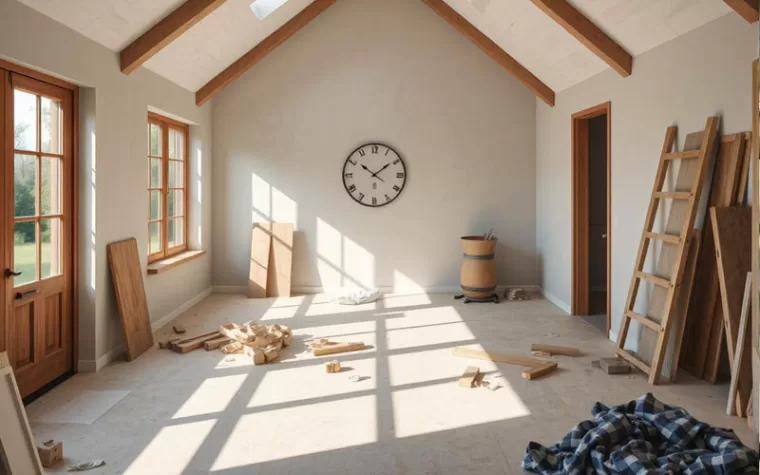
Ever tried keeping a Florida home cool in August with 15-year-old windows and a bathroom fan that sounds like a jet engine? Between heat, humidity, insurance hikes, and the ever-changing real estate market, Florida homeowners aren’t just maintaining properties—they’re preparing for a future that looks very different than it did a decade ago. In this blog, we will share renovation strategies that deliver both comfort and value over the long haul.
Begin Where You Live Every Day
Bathrooms are often one of the most-used spaces in a home, yet they’re also one of the most neglected when it comes to long-term planning. Cosmetic updates might carry a room for a while, but a complete overhaul offers a much bigger return. Function and accessibility matter more than ever. As more families look to age in place or accommodate multiple generations under one roof, features like low-threshold showers, grab bars, and wide doorways have gone from niche requests to standard design goals.
Companies like Luxury Bath of Tampa Bay are at the forefront of this shift. They bring modern materials, fast turnaround times, and designs that feel more spa than hospital. The benefit goes beyond aesthetics. Using antimicrobial surfaces and low-maintenance finishes cuts down cleaning time and keeps bathrooms looking newer longer. Whether you’re updating for yourself or eventually selling the property, a renovation done with both comfort and durability in mind will always have a market. Their team understands how to align design with Florida’s climate challenges and lifestyle needs, which makes a real difference in results that hold up year after year.
The bathroom is also one of the few spaces where people consistently recoup most of their remodeling costs at resale. But even if you’re not planning to sell, a well-executed upgrade in this area immediately improves daily routines—from how you start your morning to how you wind down at night.
Insulation That Pays You Back in Quiet and Cash
When people think about insulation, they usually picture drafty windows or winter heating bills. But insulation plays just as big a role in keeping your home cool, especially in areas where the sun turns attics into ovens by noon. Poor insulation makes HVAC systems work harder, shortens their lifespan, and creates temperature swings that can make entire rooms unusable during the hotter months.
Spray foam in crawlspaces, blown-in cellulose in attics, and proper sealing around doors and windows don’t just reduce energy costs—they improve comfort in ways you can feel right away. And while these upgrades often get buried behind flashier changes like kitchen remodels or new floors, they tend to pay off faster, especially when combined with energy-efficient appliances or smart thermostats.
On top of that, better insulation reduces noise transfer between rooms and from outside. That’s something you’ll appreciate more when you’re trying to work from home while your neighbor fires up a leaf blower at 8 a.m.
Floors Built for Real Life
Flooring upgrades are some of the most visible changes you can make, but long-term value depends on picking the right materials for your lifestyle. Hardwood adds instant charm but scratches easily in homes with pets or high foot traffic. Carpet wears out fast and holds allergens. Tile is durable but cold and unforgiving on joints.
Luxury vinyl plank has become the workhorse of modern renovation. It mimics wood or stone but handles moisture, impact, and temperature changes with minimal maintenance. And because it installs quickly and often floats over existing floors, it cuts down on labor time and cost.
Whatever you choose, continuity matters. Mixing too many flooring types in a single level creates visual clutter and makes rooms feel chopped up. Keeping a consistent material across spaces doesn’t just improve flow—it makes homes feel more spacious.
Lighting That Moves With You
Poor lighting ages a room faster than any dated finish. Harsh overhead lights, limited outlets, or dim corners don’t just hurt aesthetics—they limit how a space can be used. With more people working odd hours, raising kids, and multitasking between rooms, lighting needs to adapt.
Start by layering: ambient lighting for overall brightness, task lighting for focused work, and accent lighting to add warmth or draw attention to design features. Dimmer switches give you control throughout the day, while smart bulbs can change color temperature from cool daylight to warm evening tones.
Upgrading to LED throughout the house reduces energy consumption and helps future-proof your space as building codes and efficiency standards continue to evolve. It’s one of the most cost-effective updates with the widest impact, especially when paired with motion sensors in closets, hallways, or bathrooms.
Make Space for Future You
One of the smartest long-term renovation strategies is planning for flexibility. As families grow, work habits change, or health needs emerge, your home should be able to evolve with you. That starts with how rooms are framed, wired, and furnished.
Consider adding outlets and ethernet ports even in rooms that aren’t being used as offices—future owners or even your future self may need that setup. Install blocking in walls to allow for future grab bars, even if you don’t need them yet. If finishing an attic or basement, include egress windows and a closet to give the space legal bedroom status later.
Sliding doors, room dividers, and modular furniture all allow for easy reconfiguration without major construction. And in open-concept homes, it’s worth creating smaller zones for privacy or quiet work—especially if you’re not planning to add square footage anytime soon.
Outdoor Updates With Lasting Impact
Outdoor improvements don’t just improve aesthetics. They extend the usable footprint of your home. Covered patios, shade sails, and durable seating create extra living space during warmer months. Weather-resistant storage, privacy fencing, and proper lighting make those areas usable year-round.
Even simple changes like widening walkways, adding raised garden beds, or creating a seating nook can change how the exterior functions. Landscaping with native plants or low-maintenance materials reduces water use and upkeep. That saves time and supports long-term sustainability—an issue that’s becoming more relevant as local governments introduce water usage restrictions and incentivize green improvements.
These upgrades often deliver stronger resale appeal than buyers expect. People may not realize how much they want an outdoor escape until they walk into a listing that already has it.