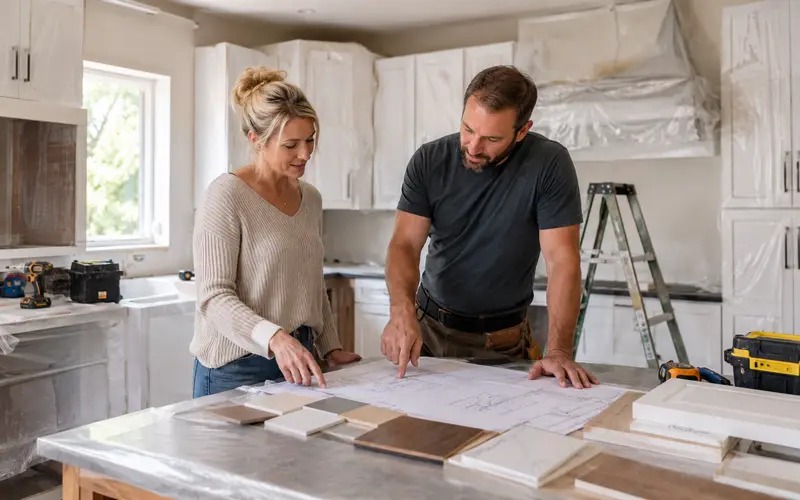
Home renovations can improve the comfort, function, and appearance of your home, but living through the process is rarely easy. Unexpected expenses, delayed materials, constant decisions, and disrupted routines can make even an exciting project feel exhausting.
After dealing with repairs and improvement projects in our own home, I have learned that preparation makes a significant difference. You cannot prevent every surprise, but you can create a plan that keeps the disruption and financial pressure more manageable.
Define the Project Before Work Begins
Renovation stress often begins when the scope of a project continues changing. Before requesting estimates, decide what you need the project to accomplish and separate essential improvements from optional upgrades.
Create three simple lists:
- Features and repairs the project must include
- Improvements you would like if the budget allows
- Decisions that can wait for a future project
Clear priorities make it easier to compare estimates and make decisions if costs increase. They can also prevent a smaller project from quietly expanding into something far more expensive.
If you are still determining what your home needs, thinking through the same considerations involved in designing and building your perfect home can help you identify which improvements will have the greatest impact on daily life.
Build Flexibility Into the Renovation Budget
Even a carefully planned renovation can uncover problems that were not visible before work started. Plumbing damage, outdated wiring, structural concerns, permit requirements, and material changes can all affect the final cost.
Create a detailed budget that includes labor, materials, permits, delivery charges, debris removal, temporary accommodations, and finishing details. Fixtures are another frequently underestimated expense. Toilets, faucets, lighting, hardware, and installation supplies may seem minor individually, but together they can consume a substantial part of the budget.
Keep a separate contingency fund for unexpected expenses instead of committing every available dollar to the original estimate. Depending on your financial situation, you may also choose to apply for a home equity line of credit. Review the interest rate, fees, repayment requirements, and risks carefully before using your home equity to finance improvements.
Continuing routine Florida home maintenance can also help identify smaller problems before they become expensive surprises during a future renovation.

Hire the Right Professionals
The quality of your contractor affects far more than the finished project. A reliable professional should communicate clearly, provide realistic expectations, and explain how unexpected problems or changes will be handled.
Obtain multiple written estimates and compare more than the total price. Each proposal should clearly describe the work, materials, payment schedule, projected timeline, and responsibilities of everyone involved. The Federal Trade Commission’s home-improvement guidance also recommends checking reviews carefully, reviewing contracts before signing, and avoiding full payment before the work is completed.
Verify licensing and insurance requirements in your area, request references, and ask whether the contractor has completed projects similar to yours. Homeowners researching home improvement services near Sacramento, for example, should look for established local professionals familiar with regional requirements and the specific type of work being planned.
The lowest estimate is not automatically the best choice. A detailed proposal from a dependable contractor may prevent costly misunderstandings and unfinished work later.
Agree on a Communication Plan
Uncertainty creates unnecessary stress. Before construction begins, determine who will be your primary contact and how frequently you should expect updates.
Ask how the contractor will communicate:
- Changes to the schedule
- Material delays or substitutions
- Additional work and costs
- Decisions requiring your approval
- Access to the home
- Cleanup and worksite concerns
Keep estimates, contracts, receipts, warranties, photographs, and change orders together in one folder or digital file. Confirm significant decisions in writing, especially when they affect the cost, materials, or completion date.
A short scheduled update once or twice a week can be more productive than trying to get answers through scattered messages throughout the day.
Make Important Choices Early
Renovations involve more decisions than most homeowners anticipate. Flooring, paint colors, hardware, lighting, tile, countertops, and fixtures may all need to coordinate, and waiting until the contractor needs an answer can lead to rushed choices.
Finalize major selections early and confirm that important materials are available before demolition begins. Saving renovation ideas can help you identify the styles and features you prefer, but narrow those choices before construction starts.
Once work is underway, avoid repeatedly changing selections unless there is a functional or financial reason. Every change can affect the price, timeline, and availability of other materials.
Expect the Timeline to Change
Weather, inspections, subcontractor availability, material shortages, and problems hidden behind walls can all delay a project. Ask for an estimated schedule, but treat it as a working timeline rather than a guaranteed completion date.
Discuss which stages depend on permits, inspections, or special-order materials. If you need the project completed before a holiday, family visit, or other important event, leave more time than you think will be necessary.
It also helps to understand that workers may not be in your home every day. Some stages require materials to cure, inspections to be completed, or another trade to finish before the next part can begin. Knowing this beforehand makes quiet days less frustrating.
Prepare Your Home and Daily Routine
Living through construction is often harder than choosing materials or reviewing estimates. Before work begins, remove valuables, empty cabinets, cover furniture, and create a protected pathway between the entrance and work area.
If a kitchen is being renovated, establish a temporary food-preparation area with a microwave, coffee maker, small refrigerator, and basic supplies. During bathroom renovations, make sure your household will still have access to another working bathroom.
Major projects may make temporary accommodations the more practical choice. Staying with family, renting a short-term property, or booking a hotel can provide a break from noise, dust, and limited access to essential rooms.
Control Dust and Protect Indoor Air
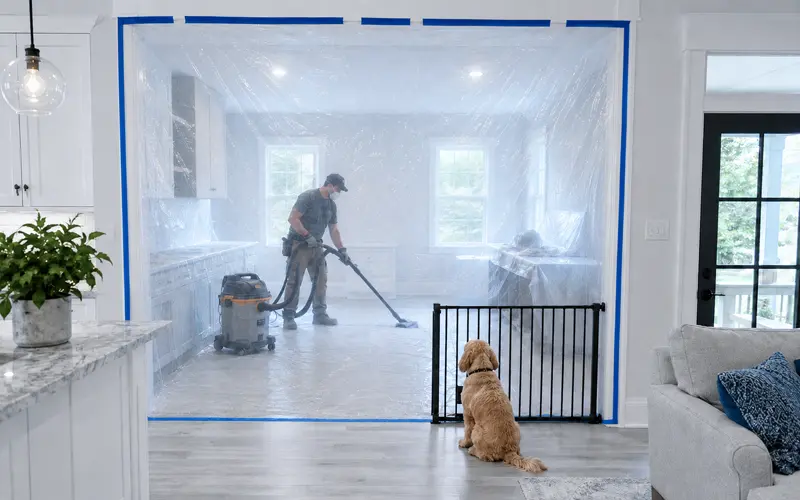
Construction dust travels surprisingly quickly and can settle far beyond the immediate work area. Ask how the contractor plans to isolate the workspace and protect the rest of the home.
The EPA’s recommendations for indoor air quality during remodeling include using barriers to contain dust, ventilating the work area, and keeping children away from renovation pollutants.
Close doors to unaffected rooms, store clothing and linens in sealed containers, and discuss whether vents in the construction area should be protected. Arrange for regular debris removal rather than allowing waste and packaging to accumulate throughout the project.
Make Plans for Children and Pets
Noise, open doors, unfamiliar workers, exposed tools, and construction debris can create safety concerns for children and pets. Establish boundaries before work starts and make sure workers know that animals live in the home.
Depending on the project, pets may be more comfortable in a closed room away from the construction, at daycare, or with a trusted family member. Reviewing pet-friendly home essentials can help you create a secure temporary space while parts of the house are inaccessible.
Keep medications, pet supplies, school items, chargers, and other daily necessities away from the work zone. The fewer times you need to enter the construction area, the easier it will be to maintain a safe routine.
Address Pest Concerns During Construction
Demolition can disturb insects or rodents already hiding inside walls, attics, crawl spaces, or other concealed areas. Construction may also temporarily create gaps that provide new entry points.
Planning for the inclusion of pest control services allows potential problems to be identified while affected areas are already accessible. This may be especially helpful when replacing siding, opening walls, repairing water damage, or working near the foundation.
Consult with a professional pest control service if you notice droppings, nests, damaged wood, unexplained odors, or increased pest activity during construction. Addressing the source before walls and access points are closed can help prevent another disruptive project later.
Protect Time Away From the Project
A renovation can easily dominate every conversation and every free moment. Set aside time when you are not discussing costs, materials, delays, or contractor questions.
Continue familiar routines whenever possible, even if they need to be adjusted temporarily. Exercise, time outside the house, family activities, and simple meals away from the construction area can provide a mental break.
You do not need to solve every possible problem at once. Focus on the decisions needed for the current stage, document them clearly, and allow the professionals you hired to handle their responsibilities.
A Calmer Renovation Starts With Preparation
No home renovation is completely free from inconvenience, but careful planning can prevent many common sources of stress. A realistic budget, qualified professionals, clear communication, early material selections, and a workable plan for daily life will help you feel more in control.
Expect some disruption and remain flexible when genuine surprises occur. The goal is not a flawless renovation process. It is a well-managed project that improves your home without allowing every delay or decision to take over your life.