

For years, I thought caring for my skin mostly came down to buying the right products. What I have learned is that even a good skincare routine can be undermined by small habits we repeat without thinking. Skipping sunscreen on an ordinary day, using water that is too hot, overdoing active ingredients, or falling asleep in makeup may not seem significant at the time, but those habits can add up. The good news is that most of them are easy to change once you recognize what may be working against your skin.
Skipping Sunscreen When You Are Not at the Beach
I used to think of sunscreen as something I needed for the beach, the pool, or a full day outdoors. It is easy to forget that our skin is also exposed while driving, running errands, walking through a parking lot, or sitting near certain windows.
According to the American Academy of Dermatology, protecting your skin from the sun can help prevent premature skin aging. A broad-spectrum, water-resistant sunscreen with an SPF of at least 30 is a simple step that can make a meaningful difference over time.

Sunscreen should not stop at your face. Some of the areas we tend to overlook include:
- Neck
- Upper chest
- Ears
- Backs of the hands
- Hairline
- Tops of the feet
Reapplying sunscreen is important when swimming, sweating, or spending an extended amount of time outside. Protective clothing, sunglasses, and shade can also reduce unnecessary sun exposure.
Using Water That Is Too Hot
I love a hot shower or bath, so this is one habit I have to be mindful of. Water that is too hot can strip away some of the natural oils that help protect the skin, leaving it feeling dry, tight, itchy, or irritated.
Using warm water instead of very hot water is much gentler. I also try not to stay in the shower longer than necessary, especially when my skin is already feeling dry.
After washing, I gently pat my skin dry rather than rubbing it with a towel. Applying moisturizer while the skin is still slightly damp can help lock in moisture and reduce that uncomfortable tight feeling.
Cleansing Too Aggressively
There was a time when I thought my skin needed to feel squeaky clean after washing. I now understand that a tight or stripped feeling can mean the cleanser is too harsh or that I am washing more often than my skin can tolerate.
A gentle cleanser is usually a better choice than scrubbing aggressively. Cleansing in the evening helps remove sunscreen, makeup, oil, and buildup from the day, while the morning routine can be adjusted depending on your skin type.
When my skin starts feeling irritated, I look at the entire routine instead of blaming one product immediately. A few thoughtful skincare routine adjustments can often make a noticeable difference when redness, stinging, or dryness becomes a problem.
Forgetting to Moisturize Consistently
Moisturizer is one of the easiest steps to skip, especially when skin does not feel noticeably dry. I have found that using moisturizer consistently helps my skin feel more comfortable and look smoother.
Applying moisturizer while the skin is slightly damp can help retain moisture. Depending on your skin type, helpful ingredients may include:
- Ceramides
- Glycerin
- Hyaluronic acid
- Squalane
- Niacinamide
- Petrolatum
The benefits of moisturizing your face every day go beyond making the skin feel soft. Moisturizer also helps support the skin barrier and reduce the tightness that can make fine lines and texture appear more prominent.
I do not believe everyone needs the same formula. Oily or acne-prone skin may do better with a lightweight, noncomedogenic moisturizer, while dry skin may need a richer cream.
Ignoring Your Individual Skin Concerns
A basic routine of cleansing, moisturizing, and sun protection is a good starting point, but I also think it is important to pay attention to what your own skin is telling you. Concerns such as dehydration, uneven texture, loss of firmness, or discoloration may require more targeted care.
Once the basics are in place, you can integrate firming skincare products or other treatments based on the concerns you actually want to address. Ingredients such as peptides, retinoids, antioxidants, niacinamide, and hyaluronic acid may help improve the appearance of hydration, texture, fine lines, or firmness, depending on the product.
I prefer introducing one new treatment at a time. When several active products are added at once, it becomes much harder to know which one is helping and which one may be causing irritation.
Skincare products cannot stop the natural aging process, and results will vary. A dermatologist can help when you have sensitive skin, persistent concerns, or questions about combining stronger ingredients.
Exfoliating More Than Your Skin Can Handle
Exfoliation can make the skin feel smoother, but I have learned that more is not always better. Scrubs, exfoliating acids, retinol, masks, and cleansing tools can quickly become too much when they are layered together.
Possible signs of over-exfoliation include:
- Burning or stinging
- Redness
- Flaking or peeling
- Increased sensitivity
- Unusual tightness
- A shiny but irritated appearance
- Discomfort when applying normally gentle products
Before adding another exfoliating product, check what is already in your routine. Cleansers, toners, serums, and acne treatments may contain exfoliating ingredients even when exfoliation is not the main purpose of the product.
Physical scrubs can also cause irritation when used too forcefully. Gentle application and following the product directions are much more important than trying to scrub the skin smooth.
Combining Too Many Active Ingredients
It can be tempting to use every ingredient that promises brighter, smoother, or clearer skin. Retinol, vitamin C, exfoliating acids, benzoyl peroxide, and other active ingredients may each be useful, but using too many at the same time can leave skin irritated.
I have found that a simpler routine is easier to maintain and easier to evaluate. Starting with a few reliable daily skincare steps creates a solid foundation before adding targeted treatments.
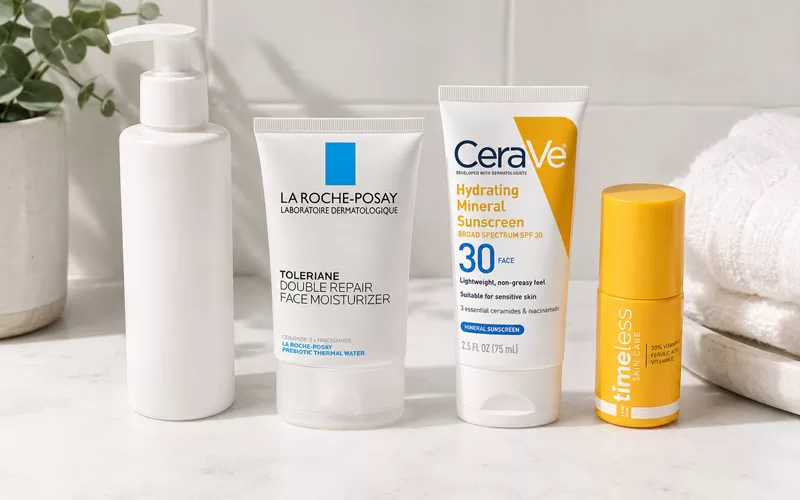
Introduce one major change at a time and follow the product directions. Persistent redness, peeling, stinging, or sensitivity may be a sign that the routine needs to be simplified.
Some active ingredients can also make skin more sensitive to the sun. This makes consistent sunscreen use even more important.
Sleeping in Makeup
I think most of us have had a night when removing makeup felt like too much effort. Falling asleep in makeup once is not going to age the skin overnight, but regularly leaving on makeup, sunscreen, oil, and daily buildup can contribute to clogged pores and irritation.
Your nighttime routine does not need to be complicated to be effective. Focus on four basic steps:
- Remove makeup and sunscreen.
- Cleanse gently.
- Apply any appropriate treatment.
- Finish with moisturizer.
On nights when I am especially tired, I would rather do a simplified routine than skip cleansing completely. Keeping the essential products visible and easy to reach makes it that much more likely.
Makeup brushes, sponges, and reusable cleansing cloths should also be washed regularly. These tools can collect makeup, oil, and residue that are repeatedly transferred back to the skin.
Frequently Touching or Picking at Your Skin
Touching the face is one of those habits that can happen without realizing it. I catch myself resting my chin in my hand, rubbing my eyes, or touching a blemish when I am distracted.
Picking at blemishes can increase inflammation and make discoloration or scarring more likely. An acne treatment or hydrocolloid patch is usually a better option than squeezing or scratching the area.
The same gentle approach applies to eye makeup removal. Holding the remover against the eye area long enough to loosen the product creates less pulling than repeatedly rubbing the delicate skin.
Neglecting Your Neck, Chest, and Hands
For a long time, I concentrated almost every skincare product on my face. The neck, chest, and hands are also exposed to the sun and often receive far less protection.
I now try to extend moisturizer and sunscreen beyond my jawline. You do not necessarily need a separate product for every area, provided the formula is comfortable and used according to the directions.
Strong active ingredients should be introduced carefully on the neck and chest. These areas can be more sensitive than the face and may become irritated when products are used too often.
Constantly Switching Products
Social media makes it easy to believe that the newest serum or beauty trend is the one product your routine is missing. I have learned that constantly changing products makes it difficult to know what is actually working.
Some products provide quick hydration, but improvements in texture, fine lines, or discoloration usually take time. Unless a product causes irritation, it is worth giving it a reasonable chance before replacing it.
Patch-testing can help reduce the risk of a widespread reaction. I also find it helpful to introduce products one at a time so I can identify the likely cause if irritation develops.
Relying on Skincare While Ignoring Other Habits
Skincare products matter, but they are only one part of the picture. Sleep, smoking, stress, alcohol use, nutrition, and environmental exposure can all affect how the skin looks and feels. Getting enough quality sleep can also support healthier-looking skin.”
The Centers for Disease Control and Prevention explains that cigarette smoking harms nearly every organ in the body. Smoking can also contribute to visible changes in the skin and overall appearance.
I try to focus on realistic habits instead of perfection:
- Getting consistent sleep when possible
- Eating a varied, balanced diet
- Staying adequately hydrated
- Avoiding smoking
- Limiting habits that leave the skin dehydrated
- Finding manageable ways to reduce stress
Drinking water supports overall health, but it does not replace moisturizer or sunscreen. Healthy-looking skin usually reflects a combination of daily lifestyle habits and consistent topical care.
Ignoring Changes That Need Professional Attention
Not every spot, rough patch, or change should be assumed to be a normal sign of aging. I think it is important to know what is typical for your skin so you are more likely to notice something unusual.
The American Academy of Dermatology recommends performing skin self-exams and contacting a dermatologist about spots that change, bleed, itch persistently, or do not heal.
A dermatologist can also help with acne, rosacea, sensitivity, discoloration, or irritation that does not improve. Professional advice may save a great deal of time and money compared with continually experimenting with products.
Build Better Habits One Step at a Time
I do not believe healthy-looking skin requires a crowded bathroom shelf or an elaborate routine. Gentle cleansing, consistent moisturizing, daily sunscreen, and a few carefully selected treatments can provide a strong foundation.
Choose one habit to improve instead of changing everything at once. That may mean wearing sunscreen more consistently, lowering the shower temperature, removing makeup before bed, or simplifying an irritating routine. Small changes may not seem dramatic, but when they become part of everyday life, they can help the skin look healthier, smoother, and better protected over time.