
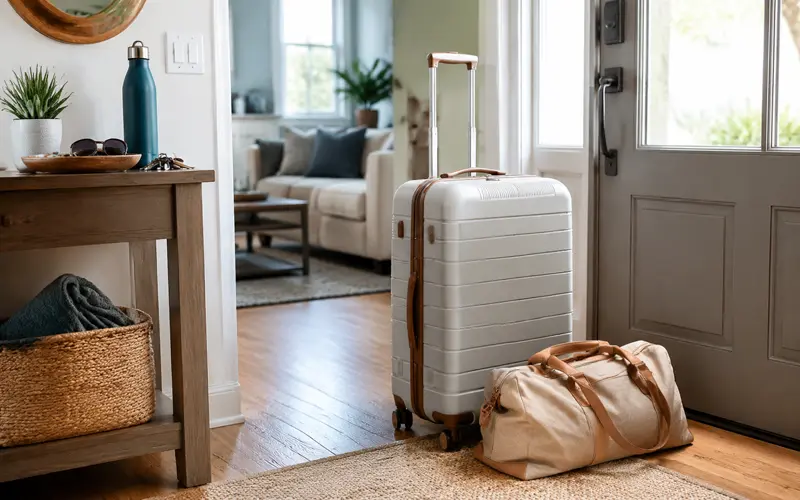
Vacation planning usually starts with the fun parts: choosing where to go, booking a hotel, and deciding what you want to do once you arrive. But some of the most important preparation happens during the last few days before you walk out the door.
Knowing the most important things to do before leaving for vacation can help prevent forgotten medications, missed bills, spoiled food, dead phone batteries, and those halfway-to-the-airport moments when you suddenly wonder whether you locked the back door. A little organization at home also makes it much easier to relax once the trip begins.
Confirm Your Travel Plans
Before packing gets serious, review every reservation connected to your vacation. Check flight or train times, hotel dates, rental cars, attraction tickets, dinner reservations, and transportation plans so you aren’t relying on something you booked months ago and barely remember.
Keep confirmation numbers, addresses, and important travel information somewhere easy to access from your phone. Screenshots can be particularly helpful when Wi-Fi or cellular service is unreliable.
If you’re still working through the bigger details of the trip, planning a hassle-free family vacation ahead of time can make the days leading up to departure much easier.
Check Passports, Identification, and Entry Requirements
International travelers should check passport expiration dates well before departure instead of assuming that a passport is usable simply because it has not expired yet. Entry requirements vary by country, so verify the rules for your destination before traveling.
The U.S. Department of State International Travel Checklist is a good starting point for passport, visa, destination, health, and entry information. The State Department also recommends checking the latest travel information for the places you’ll visit.
For domestic trips, make sure everyone has the identification required for the way you are traveling and keep important documents together rather than scattered among several bags.
Make Sure You Have Enough Medication
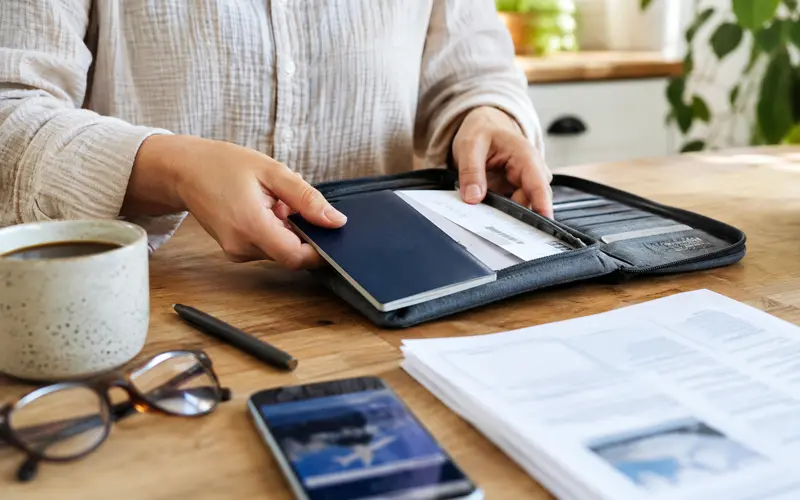
Check prescription medications several days before leaving so there is time to request a refill if necessary. Bring enough for the trip and, when possible, a little extra in case your return is unexpectedly delayed.
When flying, keep medications you may need during the journey accessible. TSA allows medically necessary medications and certain medically necessary liquids in carry-on baggage, with additional screening requirements possible for larger liquids. TSA medication guidance provides the current screening information.
International travelers should also verify that their medications are permitted at their destination because some medications that are legal in the United States may be restricted elsewhere.
Start With a Packing List
Packing is much easier when you decide what you need before you begin putting things into a suitcase. Start with the non-negotiables—clothing, underwear, shoes, toiletries, medications, chargers, identification, and destination-specific items—and build from there.
If your suitcase has a tendency to become an overstuffed mess, packing a suitcase efficiently can help you use the available space without bringing far more than you will actually wear.
Packing cubes are also useful for keeping categories of clothing together, particularly when several people are sharing luggage or the trip includes multiple stops.
Prepare Your Wallet and Travel Money
Go through your wallet instead of automatically bringing everything inside it. Leave unnecessary store cards, membership cards, gift cards, and anything else you won’t use at home.
For the trip itself:
- Bring at least two usable payment options when possible.
- Check whether your cards charge foreign transaction fees for international trips.
- Know how you’ll access cash if you need it.
- Save important card contact information somewhere other than your wallet.
- Review recent account activity before leaving.
Travelers should also be cautious about unexpected payment requests and suspicious travel offers. The Federal Trade Commission’s travel scam guidance recommends being particularly wary of sellers who insist on difficult-to-recover payment methods.
Handle Bills and Household Tasks Before Departure
A vacation is not the ideal time to realize that a payment is due tomorrow. Look at the bills coming up during your trip and schedule anything that isn’t already on automatic payment.
This is also a good time to finish the small household jobs that become annoying when they’re left undone. Put away clean laundry, run the dishwasher, clear dishes from the sink, and make sure nothing wet is sitting in the washing machine.
You don’t have to deep-clean the house. The goal is simply to avoid coming home to chores that could have been handled in ten minutes before you left.
Stop Mail and Manage Deliveries
Mail and packages accumulating outside can create problems while you’re away. If no one will be collecting your mail, the free USPS Hold Mail service can pause eligible delivery for 3 to 30 days.
Also check your expected package deliveries. If something expensive is scheduled to arrive during the trip, redirect it, reschedule it when possible, or arrange for someone you trust to bring it inside.
Avoid placing last-minute online orders that are likely to arrive immediately after you leave.
Make Arrangements for Pets
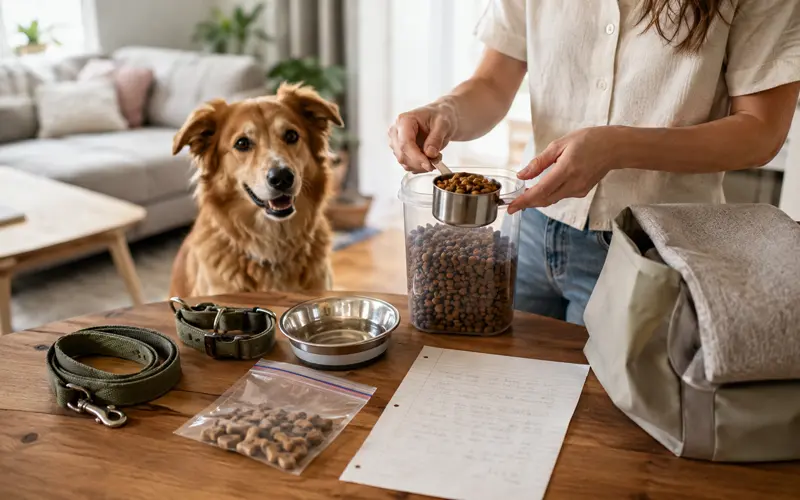
Pet care is something I would arrange well before the final packing day. Whether your pets are boarding, staying with family, or remaining home with a sitter, make sure whoever is caring for them has everything necessary.
Leave:
- Feeding instructions
- Medication schedules
- Veterinarian information
- Emergency contact numbers
- Leashes, carriers, and cleaning supplies
- Enough food, treats, litter, and medications
- Notes about routines or behaviors that matter
If someone will be coming into your home, show them where everything is before you leave instead of trying to explain it through a series of texts after you’ve already gone.
Clean Out the Refrigerator and Take Out the Trash
The refrigerator deserves its own pre-vacation inspection. Check produce, leftovers, dairy products, and other food that won’t still be good when you return.
Freeze anything you can use later and throw away what needs to go. Then empty the kitchen trash and check bathroom wastebaskets, pet-waste containers, and other trash cans that could develop an odor while the house is closed up.
A quick kitchen reset before leaving is one of those small jobs that makes coming home noticeably nicer.
Get Your Home Ready to Be Empty
Walk through the house with the mindset that no one will be there to notice a small problem for several days. Close and lock windows, check exterior doors and sliders, and make sure the garage door closes properly.
Adjust the thermostat appropriately for your climate, pets, plants, and the length of the trip. You don’t necessarily want the house at the same temperature you use when everyone is home, but completely shutting off heating or cooling can create other problems depending on the season and where you live.
If you use smart-home devices, check that cameras, doorbells, locks, or thermostats are connected and accessible before leaving.

Unplug Small Electronics and Appliances
You don’t need to disconnect your entire house, but it makes sense to unplug unnecessary items that won’t be used while you’re away.
Take a quick look at:
- Hair tools
- Countertop appliances
- Extra chargers
- Fans
- Space heaters
- Entertainment devices that don’t need power
Leave refrigerators, security equipment, medical devices, internet equipment needed for smart-home systems, and other necessary items alone.
Pack the Travel-Day Essentials Separately
Some things belong in a suitcase. Others need to remain within reach.
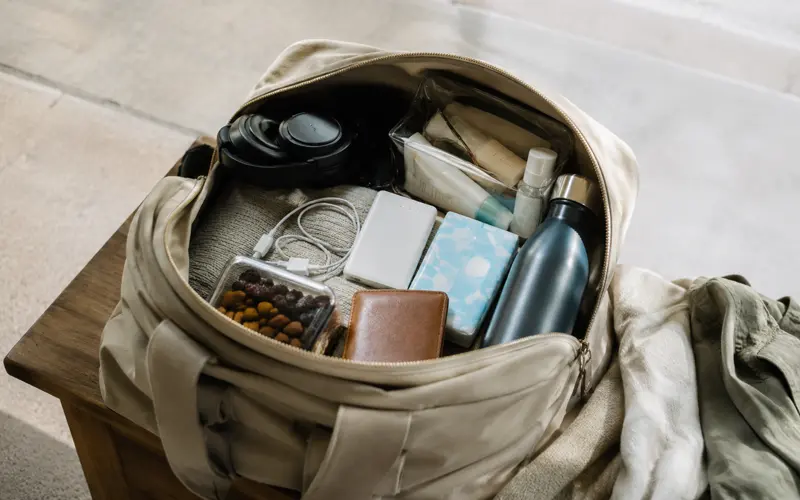
Create one easy-access bag for the things you’ll use while traveling: identification, medications, headphones, snacks, tissues, chargers, sunglasses, and anything the kids may need along the way. A reusable water bottle is useful for both road trips and flights, especially when you will be out for most of the day.
A portable charger is another item I rarely want buried underneath everything else. Phones work overtime while traveling because we use them for directions, boarding passes, tickets, photos, restaurant searches, and communication.
Several other traveling essentials are worth considering depending on how you’re getting to your destination and what you plan to do there.
Plan for the Drive if You’re Taking a Road Trip
Driving vacations require a slightly different final check. Fill the gas tank or charge the vehicle, check tire pressure, make sure you have directions downloaded, and look at where you may want to stop for fuel, food, and bathrooms.
Keep snacks, drinks, wipes, and entertainment somewhere passengers can reach without unpacking the vehicle. A small cooler can also be useful for longer drives.
For family trips, having the right road trip essentials organized before you leave can make the drive feel like part of the vacation instead of something everyone has to endure.
Check the Weather Again
Don’t rely on the forecast you saw when you started packing several days ago. Look at the weather again shortly before leaving and make any last-minute clothing changes.
A lightweight jacket or unexpected rain layer takes very little room compared with spending an entire afternoon cold or wet. If you are traveling between several locations, check each destination rather than assuming conditions will be similar.
For trips headed toward the coast, beach vacation packing requires a few additional things beyond regular clothing, especially when much of the vacation will be spent outdoors.
Charge Electronics and Download What You Need
The night before the trip, plug in everything that needs power. Phones are obvious, but don’t forget watches, tablets, headphones, cameras, e-readers, portable batteries, and children’s devices.
Then download anything you don’t want to depend on an internet connection to access:
- Boarding passes
- Hotel information
- Offline maps
- Airline apps
- Movies and shows
- Audiobooks
- Attraction tickets
- Reservation confirmations
If you are flying with checked luggage, a luggage scale can also be useful before leaving home so you aren’t rearranging half your suitcase at the airport counter.
Do a Final Five-Minute Walkthrough
Once everyone is dressed, the bags are packed, and you’re ready to leave, stop before walking out the door and make one deliberate trip through the house.
Check:
- Stove and oven
- Faucets
- Exterior doors
- Windows and sliders
- Thermostat
- Trash cans
- Refrigerator
- Necessary lights or timers
- Pet arrangements
- Garage door
Then confirm the difficult-to-replace items are physically with you: wallet, identification, passport when needed, medications, phone, keys, and travel documents.
Enjoy the Vacation You Planned
The point of a before-vacation checklist isn’t to make travel feel like another project. It is to take care of the small things that otherwise have a habit of popping into your head after you’ve already left.
Once the reservations are confirmed, the house is secure, the luggage is packed, and the important essentials are accounted for, you can focus on where you’re going instead of worrying about what you may have forgotten.