
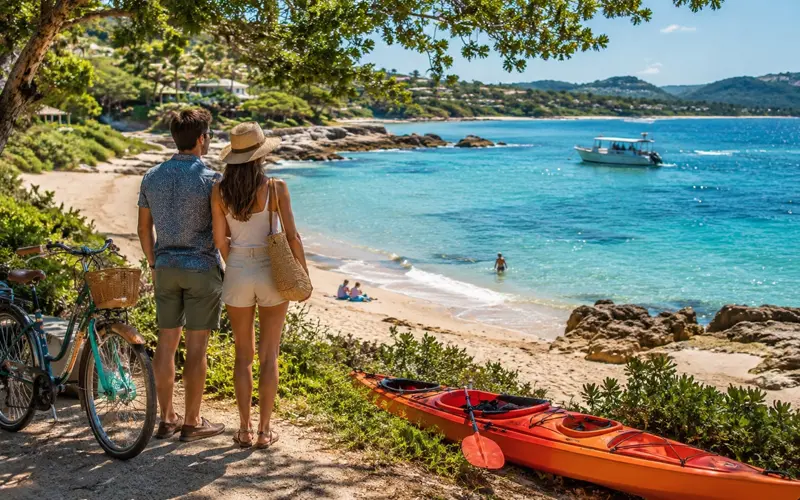
A great vacation is about more than checking attractions off a list. Some of the trips we remember most are the ones that combine the places we came to see with experiences that let us slow down, try something new, and enjoy the destination in a more personal way.
Choosing vacation activities doesn’t mean filling every hour of the itinerary. A food tour may introduce you to a neighborhood you would have otherwise missed, a boat ride can completely change your view of a coastal destination, and an unexpected afternoon exploring a market can end up being just as memorable as a major attraction.
Whether you are planning a beach vacation, city getaway, family trip, or romantic escape, the best approach is usually a mixture of sightseeing, local experiences, outdoor adventures, and enough downtime to enjoy where you are.
1. Discover the Destination Through Its Food
Food is one of the easiest ways to get a feel for a destination. Instead of treating every meal as something that happens between attractions, make at least one of them part of the experience.
A guided food tour can introduce you to local specialties while taking you into neighborhoods you may not have explored on your own. Scheduling one early in the trip can also uncover restaurants, bakeries, coffee shops, and markets you may want to return to later.
You don’t necessarily need a formal tour. Research a few foods the region is known for and create your own tasting route. Dining can easily become part of the entertainment in cities such as Las Vegas, where the variety of unique dining experiences ranges from elaborate restaurants to meals built around an entire experience.
2. Give Yourself a Real Beach Day
Even a sightseeing-heavy vacation benefits from a day with nowhere you need to be. Swimming, snorkeling, reading, walking the shoreline, or simply sitting near the water creates a natural break from reservations and schedules.
If the destination is known for shelling or wildlife, beachcombing adds a little more purpose without turning the day into another planned excursion. On Sanibel Island, for example, beaches, shelling, and wildlife naturally become part of the experience.
Most importantly, don’t treat relaxing as wasted vacation time. A quiet afternoon may end up being the part everyone needed most.
3. See the Destination From the Water
Coastal towns, islands, lakeside communities, and cities built around rivers often look completely different from the water. A few possibilities include:
- Sunset or harbor cruises
- Dolphin and wildlife tours
- Kayaking or paddleboarding
- Snorkeling excursions
- Sailing trips
- Riverboat tours
You don’t have to devote an entire day to being on the water. A morning kayak trip or two-hour sunset cruise can fit easily around sightseeing.
Florida makes this particularly easy. An afternoon spent kayaking or taking a dolphin cruise fits naturally alongside the many other water adventures in Tampa, while coastal destinations may offer everything from snorkeling to sailing.
4. Choose One Museum You Really Want to See
You do not need to visit every museum listed in a destination guide. Choose one connected to something that genuinely interests you, whether that’s art, history, science, transportation, music, maritime history, or a subject unique to the region.
Smaller local museums can be especially interesting because they often tell stories specifically connected to the destination. They also provide a convenient backup when rain, extreme heat, or another weather change interrupts outdoor plans.
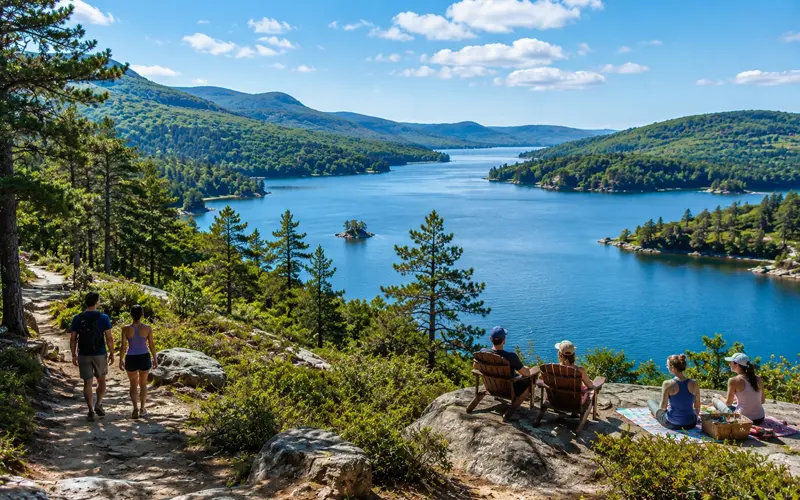
5. Spend Time in a National or State Park
Some of the best vacation activities happen outside the center of town. National and state parks can offer beaches, mountains, caves, waterfalls, historic sites, wildlife, scenic overlooks, and trails ranging from short walks to challenging hikes.
You don’t have to be an experienced hiker to enjoy them. Depending on the park, you may be able to explore by:
- Taking a scenic drive
- Stopping at overlooks
- Walking a short nature trail or boardwalk
- Visiting a historic site
- Packing a picnic
- Watching for wildlife
- Spending time at a beach, lake, or river
Popular parks sometimes have entrance reservations, permits, seasonal closures, or timed-entry requirements, so the National Park Service trip-planning information is useful when a national park is part of the itinerary.
6. Try Something You Can’t Easily Do at Home
Vacations are a good opportunity to push slightly beyond your normal routine, but adventure doesn’t have to mean choosing the most extreme activity available.
Maybe it’s snorkeling in clear water for the first time. Maybe it’s horseback riding in the mountains, kayaking through mangroves, taking a ski lesson, or ziplining through a forest.
The best choice is something that feels exciting without making you miserable in anticipation. Weather, physical ability, equipment, and comfort level matter more than whether an activity belongs on someone else’s bucket list.
7. Explore a Neighborhood on Foot
Driving from attraction to attraction can cause you to miss much of what gives a destination its personality. Walking lets you notice architecture, gardens, small shops, side streets, murals, restaurants, and historic buildings that disappear through a car window.
Guided tours can add another layer when the history or culture of the area interests you. Depending on the city, you might find:
- Historic walking tours
- Architecture tours
- Street-art walks
- Food tours
- Cemetery tours
- Ghost tours
Walking feels particularly natural in St. Augustine, where historic landmarks, shops, restaurants, old streets, and evening activities sit close enough together to explore without continually getting back into the car.

8. Browse a Local Market
Farmers markets, food halls, flea markets, antique markets, and artisan fairs offer a different view of a destination than major attractions.
You might sample something made locally, browse regional products, talk with vendors, or find a souvenir that doesn’t look like something sold in every tourist shop. Markets are also easy to fit into a morning or afternoon when you don’t want another full-day activity.
Check operating days before you go. Many local markets appear only on certain mornings, evenings, or weekends.
9. Turn the Drive Into Part of the Vacation
Not every travel day needs to be about reaching the next hotel as quickly as possible.
Choosing a scenic route can lead to overlooks, waterfalls, small towns, roadside attractions, local restaurants, and places you hadn’t planned to visit. The best drives have enough flexibility built in that you can stop when something looks interesting instead of watching it disappear in the rearview mirror.
Long drives with children become much easier when entertainment and breaks are part of the plan rather than afterthoughts. Even simple family road trip games can fill the stretches between stops without adding more things to pack.
10. Plan an Evening Around Local Entertainment
After a long sightseeing day, an activity where you simply sit down and enjoy yourself can be a welcome change.
Before the trip, look at what’s happening during your actual travel dates. You may find live music, comedy, theater, sporting events, festivals, cultural performances, dinner shows, or outdoor concerts.
The experience doesn’t have to be something famous. A small live-music venue or community event can sometimes give you more of a feel for a destination than another heavily promoted attraction.
In Orlando, even a vacation centered around the theme parks can include restaurants, live entertainment, resort activities, shopping, and other Orlando attractions that give everyone a break from spending every day in a park.
11. Learn How to Make Something Local
Instead of only tasting a regional specialty, learn how to make one.
Cooking classes can be particularly memorable for couples, adult families, or groups because everyone participates. The experience also continues after the vacation if you go home knowing how to recreate something you discovered during the trip.
Look for a class connected to the place you are visiting: handmade pasta, pastries, regional seafood, traditional dishes, chocolate making, or a class focused on local ingredients. The more specific it is to the destination, the more it feels like part of the trip rather than an activity you could have done anywhere.
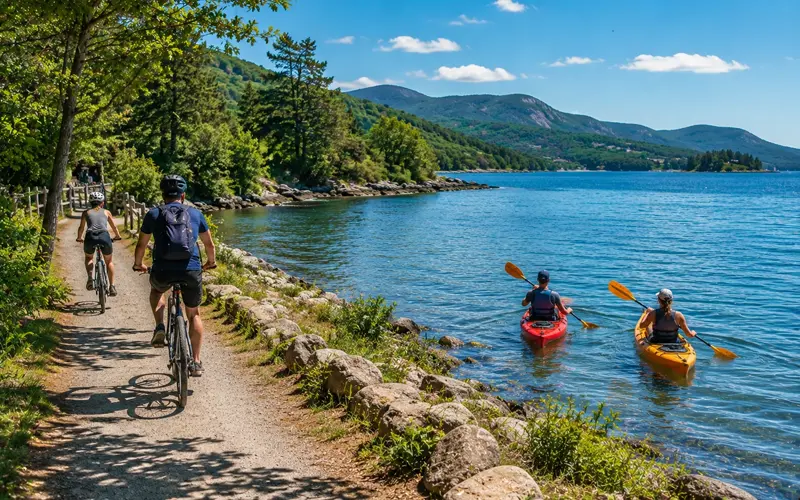
12. Rent a Bike for an Afternoon
Biking falls neatly between walking and driving. You can cover more ground while still being able to stop at beaches, cafés, parks, shops, and scenic viewpoints.
It works particularly well in destinations with:
- Waterfront paths
- Boardwalk areas
- Large parks
- Dedicated bike trails
- Quiet neighborhoods
- Flat coastal routes
Electric bikes have also made longer routes more approachable when you want to explore without turning the afternoon into an intense workout.
Before renting, look at the route rather than assuming that a city with bike rentals is necessarily comfortable for casual cyclists. Dedicated paths and lower-traffic areas usually make for a much better experience.
13. Find a Quiet Natural Space
Not everything on vacation needs a ticket, reservation, or crowd.
Botanical gardens, nature preserves, wildlife refuges, and smaller parks can give you a peaceful place to spend a few hours between busier sightseeing days. Depending on the destination, you might find tropical gardens, desert landscapes, wetlands, butterfly habitats, coastal preserves, or native wildlife.
These places also tend to work well for photography because you can slow down and look around rather than moving quickly from one attraction to another.
14. Enjoy the Hotel or Resort You Paid For
It is surprisingly easy to book a beautiful hotel and then spend the entire trip leaving early in the morning and returning after dark.
If the property has a pool, beach, spa, balcony, restaurant, garden, or other amenities you were excited about when booking, leave time to enjoy them.
You don’t necessarily need an entire resort day. A few slower options can be enough:
- Sleep later and have a leisurely breakfast.
- Spend an afternoon by the pool.
- Book a spa treatment.
- Have dinner at the resort instead of driving somewhere else.
- Enjoy your balcony or outdoor space at sunset.
On a longer vacation, a slower half-day in the middle of the trip can make the busier days much more enjoyable.
15. Do the Thing the Destination Is Famous For
There is sometimes a temptation to avoid an attraction simply because it’s touristy. If it genuinely interests you, go.
See a Broadway show in New York. Ride a gondola in Venice. Visit a winery in California. Snorkel in the Caribbean. Ski in Colorado. Spend the day at an Orlando theme park.
Popular attractions are popular for a reason. You don’t need to avoid them to have an authentic vacation; you simply don’t need to visit every famous attraction because someone else said you should.
16. Look Beyond the City With a Day Trip
Staying in one place for several nights gives you the opportunity to explore beyond it without repeatedly changing hotels.
Look within an hour or two and you may discover a small town, island, beach, state park, historic site, or completely different landscape. A day trip is especially appealing after several days in a busy city because it changes the pace without requiring another round of packing and unpacking.
Keep the travel time reasonable. If the drive takes five or six hours round trip for only a couple of hours at the destination, that place may deserve its own future vacation.
17. Leave Something Unplanned
It might seem strange to include “do nothing” among vacation activities, but open space is often where the best travel moments appear.
Someone may recommend a restaurant you hadn’t heard about. You may discover an interesting shop while walking through town. A local festival could be happening that weekend. The weather may change your original plans, or everyone might decide another afternoon by the water sounds much better than visiting one more attraction.
A vacation needs enough structure that you aren’t spending every morning trying to figure out what to do, but not so much that the entire trip feels like an appointment calendar.
Finding the Right Mix of Vacation Activities
The hardest part of planning usually isn’t finding enough things to do. It’s deciding what deserves your limited time.
A good starting point is choosing two or three experiences that matter most, making reservations when necessary, and allowing the rest of the vacation to develop around those priorities.
| If you want… | Consider adding… |
|---|---|
| More relaxation | Beach time, resort afternoon, botanical garden |
| Local culture | Food tour, market, museum, walking tour |
| Outdoor adventure | Kayaking, biking, hiking, snorkeling |
| Family time | Scenic drive, beach day, wildlife excursion |
| Something different | Cooking class, local entertainment, day trip |
| More flexibility | Markets, neighborhood walks, unscheduled time |
Try alternating busy sightseeing days with slower ones instead of stacking several demanding days together. Driving times also matter more than they appear to on a map, particularly when parking, traffic, and unfamiliar roads are involved.
It also helps to have at least one indoor option available if the weather changes and to review cancellation policies before paying for expensive excursions.
If you’re spending most of the day away from the hotel, packing a few practical travel essentials can save an unnecessary trip back for a charger, water bottle, lightweight layer, or something else you suddenly need.
The goal isn’t to fit the greatest possible number of activities into one vacation. Choose experiences that fit the destination, the people you’re traveling with, and the way you genuinely enjoy spending your time. A trip with a handful of memorable experiences and enough breathing room to enjoy them will usually feel far better than one spent rushing from one reservation to the next.