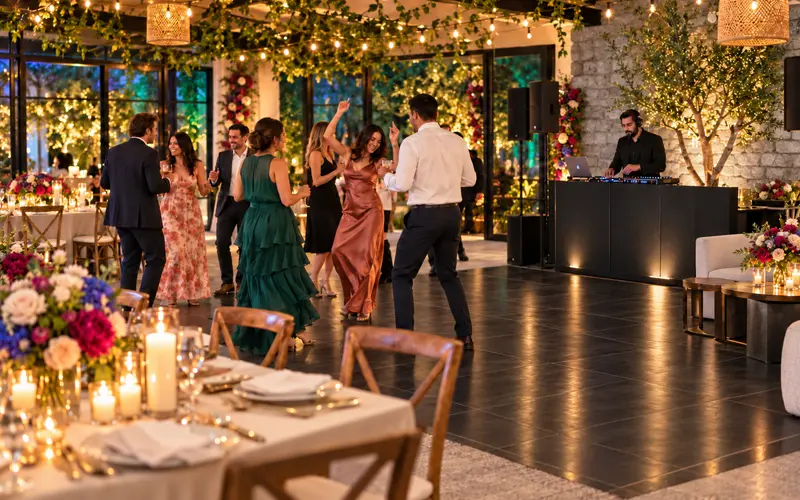
The right atmosphere can turn the dance floor into the heart of a celebration. While music plays an important role, creating a space where guests want to gather and dance takes more than a great playlist. The best dance floors feel inviting and energetic, encouraging guests to join in, stay awhile, and enjoy the celebration.
Whether you’re choosing a wedding location, planning a corporate party, celebrating a milestone birthday, or hosting a private celebration, the dance floor can become one of the most memorable parts of the night.
Creating the right atmosphere comes down to several details, including timing, layout, lighting, sound, and knowing how to read the room. When those elements work together, guests are more likely to feel comfortable joining the dance floor.
Start With the Room, Not the Playlist
Before choosing the music, think about the layout of the room and how guests will move through the space. People are more likely to dance when the dance floor feels like part of the celebration rather than a separate area.
Keep the Dance Floor Connected
One common mistake is placing the dance floor too far from the bar, seating, or other gathering areas. When the dance floor feels separated from the rest of the event, guests may be less likely to join in.
Most guests won’t start dancing as soon as the music begins. They may continue talking or wait until a few other people get things started. When the dance floor is visible from nearby tables and gathering areas, guests can see others having fun and are more likely to join them.
Space Matters More Than Size
A huge dance floor may sound appealing, but a large, half-empty space can make a party feel quieter than it really is. A slightly smaller area often works better because it fills up faster and creates a livelier atmosphere.
Furniture placement matters too. Tables, chairs, and other obstacles shouldn’t create barriers or narrow walkways. Guests should be able to move easily between the bar, seating areas, and dance floor.
Lighting Sets the Mood
Music may get most of the attention, but lighting can make a big difference in how a room feels. Bright lighting works well while guests are eating and socializing, while softer lighting can create a more relaxed setting for dancing.
Early in the event, guests usually want to socialize, enjoy dinner, and spend time together. Warm, welcoming lighting works well during this part of the evening. Later, deeper colors, subtle movement, or focused dance floor lighting can help create a livelier atmosphere as guests begin dancing.
There’s no need to overdo it. Too many flashing lights or heavy effects can distract from the celebration. A little color, movement, and contrast can set the mood without taking over the room.
Music Is About More Than Choosing Great Songs
Choosing great songs is important, but so is knowing when to play them. The order of the music can make a big difference in keeping guests interested and the dance floor busy.
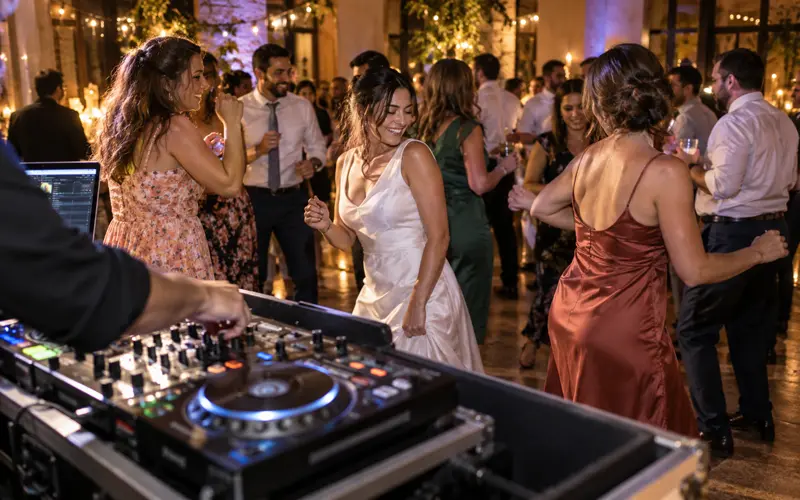
That’s why experienced event planners often rely on experienced DJs to keep guests entertained. A DJ can see how guests are responding and adjust the music throughout the night. A playlist can include a variety of music, but it can’t change direction when a song falls flat or guests are ready for something different.
Build the Music Throughout the Night
Different parts of the evening call for different types of music. Early songs might be familiar, easy to dance to, and even a little nostalgic. As more guests make their way to the dance floor, the music can shift toward higher-energy songs and crowd favorites.
A good mix might include:
- Familiar, easygoing songs early in the evening
- Songs that appeal to different age groups
- High-energy favorites when the dance floor is busy
- Slower songs that give everyone a chance to take a break
The goal is to create a mix that keeps different people involved throughout the evening. Music is just as important for more casual celebrations, and even simple party ideas can include music that starts out relaxed while guests arrive and becomes livelier as the celebration continues.
Timing Can Make or Break the Dance Floor
Even great music can fall flat if guests aren’t ready to dance. Timing the transition from dinner and conversation to dancing can make a big difference.
If dinner has just ended, drinks are still being poured, or people are enjoying conversations at their tables, jumping immediately into high-energy party music may leave the dance floor empty.
Instead, make the transition gradually. Changing the tempo, lighting, and volume gives guests time to finish conversations and make their way to the dance floor. Sometimes one well-timed song and a few enthusiastic guests are enough to get things started.
Once the dance floor fills up, keep interruptions to a minimum. Long pauses, unnecessary announcements, or sudden changes in musical style can change the mood and send people back to their seats.
Make It Easy for Guests to Join In
For many guests, deciding whether to dance has as much to do with the people around them as the song that’s playing. An empty dance floor can feel intimidating, while seeing friends and family already dancing makes it easier to join them.
Familiar songs and recognizable choruses can help get people involved. A few outgoing guests can also make a big difference. At weddings, that might be the couple and close friends. At corporate events, a few enthusiastic team members may encourage others to join them.
Events with guests of different ages naturally need some variety. Instead of trying to find music that appeals to everyone at the same time, mix different styles and decades throughout the evening. This gives everyone a chance to hear music they enjoy while keeping the party going.
Create an Atmosphere Guests Will Remember
A memorable dance floor may look effortless, but a little planning can make a big difference. The right layout makes it easy for guests to move around, lighting helps set the mood, and well-timed music keeps people dancing. Each detail plays a part in creating a space where guests feel comfortable joining in and enjoying the celebration.
You don’t need a perfect playlist or elaborate lighting effects to create a great dance floor. Focus on making the space inviting, choosing music your guests will enjoy, and paying attention to the mood throughout the evening. When guests are having fun, the dance floor can easily become one of the most memorable parts of the celebration.