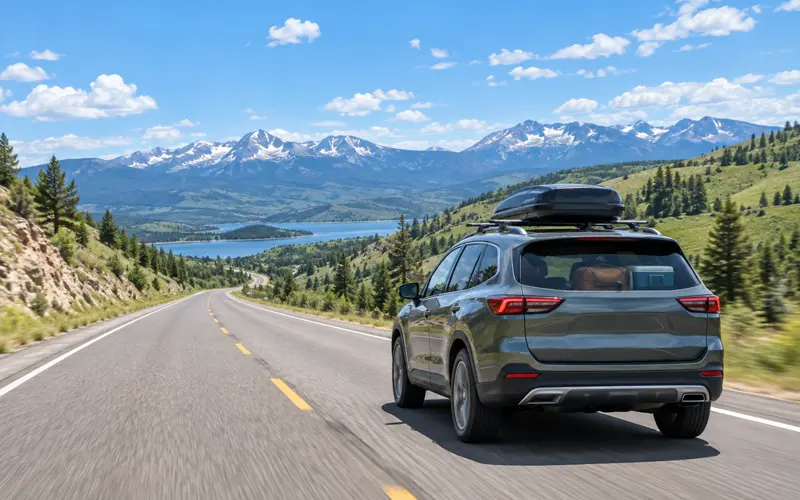
A cross-country road trip is one of the best ways to see the country on your own terms. There’s no fixed itinerary, no rush to get anywhere, just open highways, changing scenery, and the freedom to pull off whenever something catches your attention. Whether you want to chase mountain views, coastal towns, or the quiet stretch of a Midwest highway at sunset, the appeal of a long drive is in the flexibility it offers.
Before you hit the road, it’s worth taking some time to get your car ready for the miles ahead. Think of this as part of the trip planning, right alongside mapping your route and picking playlists. A quick check of your tires, fluids, brakes, battery, lights, and a few emergency essentials means you can spend less time thinking about your car and more time enjoying the drive. A little preparation now sets the tone for a smoother, more relaxed trip from the first mile to the last.
Give Your Tires Some Love Before You Leave
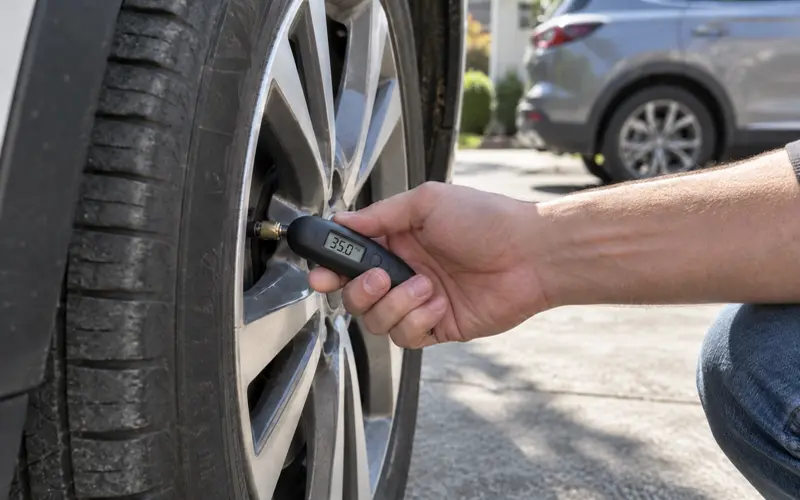
Your tires are doing all the work on a trip like this, so they deserve a few minutes of attention before you pack the car. Start with a simple walk-around and inspect all four tires. Check the tread for any obvious cracks, bulges, or embedded debris. Then check your tire pressure, which should be set according to the manufacturer’s recommendations found in the owner’s manual or on the door sticker.
Tread depth also matters. Low tread means less grip, especially in rain. Check tread depth with the penny test or have a professional take a look. And don’t forget the spare. It’s easy to overlook, but you’ll want it properly inflated if you ever need it. Of course, if your tires are nearing the end of their life, it’s time to replace them before you leave. Fresh tires mean better traction and one less thing to worry about on the road.
It is also worth considering what type of tire fits your route. If you’re passing through a mix of temperatures and road conditions—warm days, cooler mornings, maybe some rain—all weather tires are worth considering. They are designed to handle a wider range of conditions compared to standard all-season tires.
Make the Inside of Your Car Road-Trip Friendly
Before you start packing for the trip, take a few minutes to clean the inside of your car. Clear out the clutter, wipe down the surfaces, and give yourself a fresh start. Nobody wants to discover three weeks’ worth of fast-food receipts under the passenger seat somewhere in the middle of Kansas.
Once it’s clean, think about how you’ll use the space. Cross-country trips mean packing for the long haul, plus leaving room for whatever souvenirs you might pick up along the way. Plan your luggage with a bit of breathing room. Packing comfortable travel pillows or a light blanket can also make a real difference on long stretches, especially for anyone napping in the back seat.
It’s worth setting up your entertainment and connectivity before you leave the driveway. Have chargers within reach, and choose your favorite playlists, podcasts, audiobooks, and offline maps ahead of time in case you lose signal somewhere remote. Keep water and snacks easily accessible, too.
If you’re traveling with kids, a few travel scavenger hunt ideas can go a long way toward keeping everyone entertained between stops. At the same time, give everyone their own small spot for personal items, like a bag, a cupholder, or a section of the back seat. This helps keep the peace and keeps things from turning into chaos by day two.
Pack for the Journey, Not Just the Destination
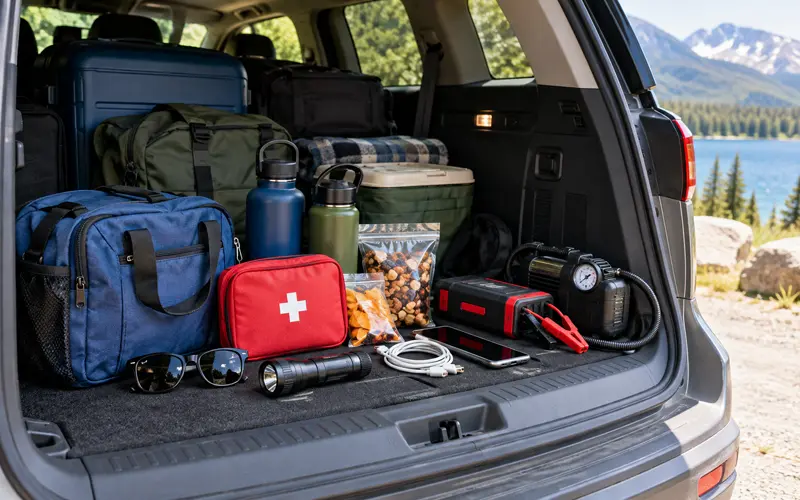
A few extra items in the car can make a long drive noticeably more pleasant, and most of them are things you’ll be glad to have before you even hit the state line:
- A phone charger and power bank
- Water and simple snacks
- Sunglasses
- A small first-aid kit
- A flashlight
- Jumper cables or a portable jump starter
- A tire inflator, if your vehicle supports one
Of course, you should not forget the absolute essentials: your registration, insurance card, and any other important vehicle documents. None of these take up much space, but you’ll appreciate having them on hand.
Plan for the Fun Stops
When planning a cross-country road trip, most people plan to get from Point A to Point B as efficiently as possible, but that’s really the least interesting way to do it. Some of the best memories come from what happens between your start and end points, so it’s worth building your route around a few stops that have nothing to do with mileage.
Don’t ignore beautiful scenic overlooks, small towns, and local restaurants; these detours can end up being some of the best parts of the trip. If your route runs anywhere near Tennessee, there are many things to do in Pigeon Forge that are worth building an afternoon around. You might encounter quirky roadside attractions, whether that’s a giant ball of twine or a diner shaped like a coffee pot; that’s the kind of charm that makes a trip memorable. National and state parks are worth a detour too, along with historic sites that give you a sense of the places you’re passing through.
Keep an eye out for unexpected photo stops along the way, and check for local events near your route. A small-town festival or farmers market can turn an ordinary driving day into one of your favorite parts of the trip.
Of course, all of this is only possible if you leave some flexibility in your itinerary. Overplanning every hour leaves no space for the stops you didn’t know you wanted to make, and those are often the ones you’ll remember the most.
Do One Last Check Before Pulling Out of the Driveway
Before you back out of the driveway, run through one quick final checklist:
- Are the tires in good shape and properly inflated?
- Is the car properly fueled or charged?
- Are your bags secured?
- Do you have your important documents packed and within reach?
- Is your navigation ready, including an offline option?
- Does everyone have water and snacks?
- Is the playlist queued up?
Once you have all of this checked, you are ready to start your cross-country road trip!
Enjoy the Road Ahead
Somewhere around an hour or two into the drive, nobody is thinking about tire pressure or oil levels anymore. That’s the whole point. All the little tasks—checking fluids, packing snacks, loading a playlist—exist so they can fade into the background once you’re actually moving.
What sticks with you after a trip like this isn’t the prep work. It’s the town you stumble into by accident, the dinner with the pie that tasted better than anything you’ve tried back home, the stretch of highway where the sky did something you didn’t expect. Getting the car sorted beforehand just clears the way for all of that.
Once you’ve gone through your checklists, it’s time to let it go and relax. The interesting part starts the moment you stop thinking about the car and start paying attention to the road ahead.