
Minneapolis has no shortage of places promising better skin, fuller brows, and smoother results. Brow bars, med spas, and skincare studios can be found throughout the city, and many look similar from the outside. Choosing the right one takes a bit more homework than scrolling through a few Instagram posts.
A beauty lab typically falls somewhere between a traditional salon and a medical spa, offering specialized skincare and cosmetic treatments. Depending on the business, services might include facials, chemical peels, brow treatments, hair removal, or more advanced aesthetic procedures.
Whether you’re looking to address a particular skin concern or maintain your appearance with regular treatments, knowing what to look for can make the decision easier. This guide covers the important considerations, from licensing and hygiene to consultations and Minneapolis’s changing seasons.
What Makes a Beauty Lab Worth Your Time
A good beauty lab focuses on specific concerns, personalized results, and treatment plans that may span several visits. Rather than recommending the same services to everyone, providers should begin with a conversation and an assessment to understand your skin and what you’re hoping to accomplish.
That first conversation matters more than most people think. If you want a Minneapolis lab that builds personalized treatment plans around your skin, Vi Beauty Lab is one option to consider. Look for a provider who asks questions before suggesting any service, since a plan built around your skin type, routine, and goals is generally more useful than a generic package.
Most beauty labs offer some combination of the following services:
- Advanced facials and chemical peels designed to address specific skin concerns
- Brow and lash treatments to enhance natural features
- Hair removal services, including waxing and laser treatments
- Aesthetic procedures such as microneedling and skin resurfacing
Some places specialize in one area, while others offer a broader range of services. Check which treatments they perform most often and whether their staff has the appropriate experience and training.
Minneapolis clients also have needs that people in milder climates may not experience. Your skin goes through freezing winters, humid summers, and sharp temperature changes in between. A treatment plan that works in July might need adjustments by January, especially when dryness and irritation become concerns.
Verify Licensing and Credentials First
Before booking anything, check whether the people providing your treatments hold the appropriate licenses. In Minnesota, the Board of Cosmetology licenses estheticians, cosmetologists, and salons. It also provides an online license lookup that consumers can use to verify credentials.
Licensed salons and individual providers should have their credentials available for clients to review. If you don’t see them displayed, ask. A reputable beauty lab should be willing to answer questions about licensing and qualifications.
Things become more serious when treatments enter medical territory. Injectables such as Botox and fillers, along with certain laser procedures, require appropriately qualified medical professionals. Ask who performs these services, what credentials they hold, and what medical oversight is provided.
A license confirms that someone has met the requirements for their profession, but continuing education is important, too. Look for staff who have completed additional training in specific devices, techniques, or treatment methods. Providers should be able to explain their experience and qualifications.
Choose a Lab That Understands Minnesota Skin and Seasons
Minnesota winters can be hard on your skin. Freezing wind outside and dry, heated air inside contribute to moisture loss, flaking, redness, and tightness. Making adjustments to a seasonal skincare routine can help address these concerns, while a knowledgeable beauty lab can recommend appropriate treatments, such as hydrating facials and gentler products during colder months.
Summer brings a different set of challenges. Minneapolis earned the nickname City of Lakes for a reason, and residents spend plenty of time outdoors when warmer weather arrives. Increased sun exposure can affect which treatments make sense, how aggressive they should be, and what aftercare you’ll need between lake days.
How Seasons Can Affect Treatment Choices
Some treatments require more careful timing than others, particularly when sun exposure or skin sensitivity is involved.
| Treatment | Seasonal Considerations |
|---|---|
| Hydrating facials | May be particularly helpful during dry winter months |
| Chemical peels | Some peels increase sun sensitivity and require careful aftercare |
| Laser hair removal | Sun exposure and tanning can affect treatment scheduling |
| Skin resurfacing | Recovery requirements may make periods of limited sun exposure more convenient |
Late fall and winter can be practical times to schedule certain treatments because people may spend less time in direct sunlight. However, the best timing depends on the procedure, your skin, and your ability to follow aftercare instructions.
When visiting a beauty lab for the first time, ask how its team adjusts treatments throughout the year. You want to hear about specific considerations, such as switching products during winter or modifying certain procedures during summer.
The right beauty lab should also consider how you care for your skin between appointments, since everyday skincare habits can affect your results just as much as seasonal changes.
Pay Attention to the Consultation Process
A thorough consultation covers much more than a quick glance at your face. Expect questions about your skin history, current medications, allergies, past treatments, and the results you’re hoping for. Some medications, skincare products, and medical conditions can affect how your skin responds to certain procedures, so a complete intake form is important.
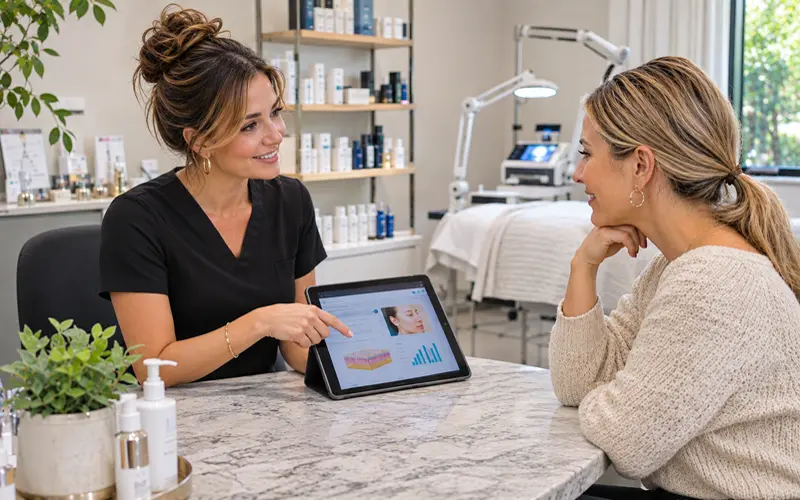
A trustworthy provider should also be honest about what a treatment can and cannot accomplish. Before committing to a service, make sure you understand:
- What results you can realistically expect and how long they may last
- How many treatment sessions might be necessary
- Whether there are potential side effects or recovery requirements
- What the treatment will cost, including any recommended follow-up visits
- Whether less intensive alternatives might be appropriate for your concerns
If someone promises dramatic results after a single visit or keeps steering you toward pricier add-ons, take that as a warning sign.
Depending on the treatment and your skin history, a provider may recommend testing a new product on a small area before using it more extensively. Not every procedure requires a patch test, but discussing allergies, sensitivities, and possible reactions is an important part of a careful consultation.
Finally, pay attention to what happens at the end of the appointment. A good beauty lab should provide clear aftercare instructions covering cleansing, sun protection, and any products or activities you should temporarily avoid. Written instructions are particularly helpful after treatments that require special care during recovery.
Evaluate Hygiene, Products, and Equipment
Cleanliness should be obvious the moment you walk in. Check the treatment rooms, tools, and workstations. Providers should follow appropriate sanitation procedures, use single-use supplies when required, and practice proper hand hygiene. If anything looks dusty, sticky, or poorly maintained, consider looking elsewhere.
The products a beauty lab uses can also tell you a lot about its standards. A knowledgeable provider should be able to identify the brands and ingredients being used and explain why they’re appropriate for your skin. Ask what they plan to apply and why, particularly if you already use products with active ingredients or have sensitive skin.
Equipment deserves the same attention. Lasers, radiofrequency machines, and other aesthetic devices should meet applicable regulatory requirements. For medical devices, ask about FDA clearance or approval where applicable, along with the make and model being used. Staff should understand how their equipment works, its potential risks, and the training required to operate it safely.
It also helps to ask why the lab selected a particular product or device for your treatment. A thoughtful provider considers your skin type, tone, and concerns rather than using the same approach for every client. When someone can explain their recommendations clearly, you’ll have a better understanding of the care you’re receiving.
Making the Right Choice for Your Skin
Finding the right beauty lab in Minneapolis comes down to a handful of important considerations. Verify licenses, pay attention during consultations, evaluate hygiene and equipment, and choose a place that understands your skin and how its needs may change throughout the year.
Convenience counts, too, especially for treatments that require several visits. Before committing to a package, schedule a consultation and ask questions about the services you’re considering. A reputable beauty lab should welcome those questions, provide realistic expectations, and help you decide whether its treatments are a good fit.