
Aging well is no longer about trying to stop time or chasing an unrealistic idea of youth. Today, more people are approaching aging as a long-term wellness journey that includes physical health, emotional balance, confidence, skincare, and the freedom to feel comfortable in their own appearance. The goal is not to look like someone else. It is to continue feeling like yourself while giving your body, mind, and skin the attention they deserve.
This shift has changed the way people think about self-care. Instead of waiting until a problem becomes noticeable, modern wellness encourages consistent habits that support health and confidence over time. Exercise, nutritious food, quality sleep, stress management, skincare, social connection, and professional care can all have a place in that process.
Aging Well Starts With Everyday Wellness
The foundation of healthy aging is surprisingly simple. Regular movement, balanced nutrition, adequate sleep, hydration, and preventive healthcare remain some of the most important ways to support long-term wellbeing. These habits may not produce dramatic overnight changes, but their value comes from consistency.
Movement is particularly important because staying active helps people maintain strength, mobility, and balance as they get older. That does not necessarily mean spending hours in a gym. Walking, stretching, swimming, gardening, dancing, and a few strength exercises at home can all make movement a natural part of everyday life.
The same principle applies to nutrition. Instead of focusing on restrictive diets, an aging-well approach looks at food as part of overall health. Adequate protein, fruits and vegetables, whole grains, healthy fats, and sufficient fluids can support the body as its needs change over time.
Wellness also includes knowing when to slow down. Sleep and recovery are not signs of laziness. They are part of maintaining energy and resilience. A sustainable approach to aging leaves room for rest instead of treating exhaustion as something to simply push through.
Self-Care Should Be Practical, Not Complicated
The word self-care can sometimes make people imagine elaborate routines, expensive products, or hours of uninterrupted personal time. In reality, effective self-care can be much simpler. The most useful routine is usually the one that can realistically fit into everyday life.
That might include:
- Taking a walk after dinner
- Stepping away from screens for a while
- Keeping regular health and wellness appointments
- Reading a book or spending a few quiet minutes alone
- Maintaining friendships and making time for people you enjoy
- Creating a simple evening routine that helps you unwind
This matters even more as responsibilities change. Work, family, relationships, travel, and other commitments can make it difficult to maintain complicated wellness routines.
Rather than trying to completely transform your lifestyle, it can be more realistic to identify a few areas that need attention and improve them gradually. Small improvements repeated over months and years can become much more meaningful than short periods of extreme effort.
Confidence Is Part of Aging Well
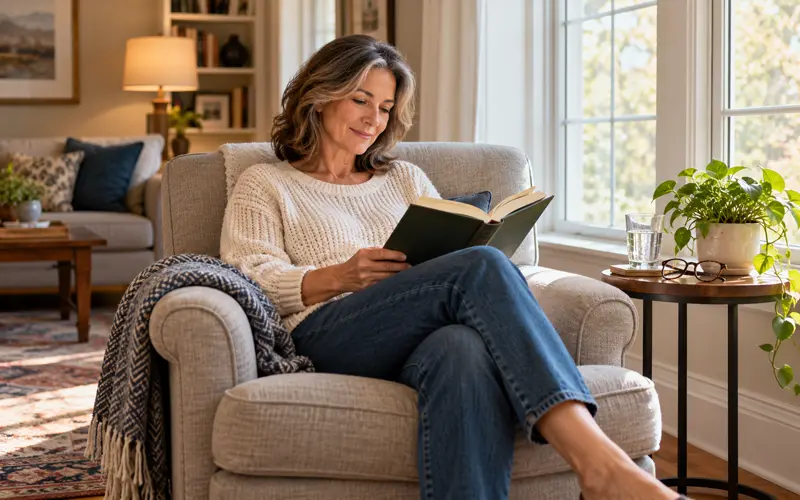
Physical health is only one part of the aging experience. Confidence and emotional wellbeing matter too.
For many people, changes in appearance can influence how they feel about themselves. Gray hair, changes in skin texture, fine lines, changes in facial volume, or shifts in body composition are normal parts of getting older. Accepting these changes does not mean someone has to stop caring about their appearance. There is a difference between feeling pressured to look younger and choosing to look after yourself because it makes you feel good.
Confidence often comes from feeling comfortable and intentional about personal choices. Someone may enjoy embracing their natural appearance, while another person may prefer professional skincare or an aesthetic treatment. Neither approach needs to define what aging well means for everyone.
The important question is whether a particular choice supports the individual’s own sense of wellbeing rather than being driven entirely by outside expectations.
Skincare Becomes More Important With Time
Skin naturally changes as people age. Its texture, hydration, elasticity, and appearance can shift because of factors such as genetics, environmental exposure, lifestyle, and the gradual changes that occur within the skin itself.
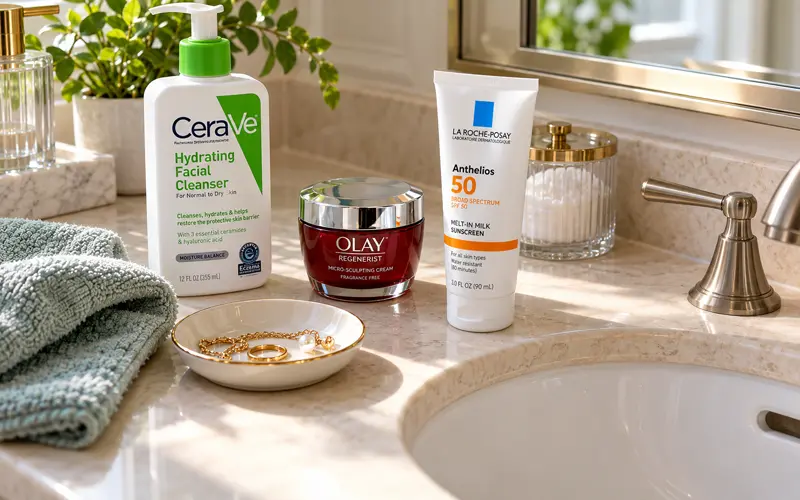
That makes a consistent skincare routine an important part of long-term self-care, but it does not have to mean a complicated shelf filled with products. A routine built around the basics can be easier to maintain and adjust as the skin changes. Daily skincare steps such as gentle cleansing and appropriate moisturization can help support the skin barrier, while products can be adjusted based on individual skin needs.
Sun protection is especially important. Daily protection from ultraviolet exposure can help reduce cumulative sun damage and is an important part of maintaining healthier-looking skin.
As concerns become more specific, professional guidance may be useful. Persistent pigmentation, significant changes in skin texture, pronounced dryness, or other concerns may require an evaluation rather than simply adding another product to the routine.
Professional Aesthetic Care Can Be Part of a Broader Wellness Plan
There is also a place for professional aesthetic care within a modern approach to aging. The key is to view it as one component of personal care rather than the entire definition of wellness.
Today, aesthetic clinics may offer options focused on concerns such as fine lines, skin texture, loss of firmness, uneven tone, facial volume, and other visible changes associated with aging. Southwest Florida Med Spa, for example, describes a personalized approach that combines clinician-led care with treatments designed around individual features, goals, and lifestyle. Its services include facial treatments, medical-grade skincare, anti-aging programs, microchanneling, and skin-tightening options.
This type of care may appeal to people who want subtle changes rather than a dramatic transformation. A consultation can help determine which concerns may be appropriate for treatment and which may be better addressed through skincare, lifestyle changes, or simply accepting normal changes that come with age. Professional treatment is not a substitute for basic health habits; it can simply complement a broader routine when someone chooses it for personal reasons.
Personalization Matters More Than Following Trends
Beauty and wellness trends change constantly. One year, a particular ingredient is everywhere. The next year, a new treatment or technology becomes popular. Following every trend can quickly become expensive and confusing.
A more sustainable approach is to understand what your own skin, body, and lifestyle actually need. Skin type, age, previous treatments, medications, health history, lifestyle, and individual goals can all influence whether a particular option is appropriate. A treatment or product that works well for one person may not be necessary or suitable for another.
This is why informed conversations with qualified professionals are more valuable than simply copying something seen on social media. The goal should be an approach that makes sense for the individual rather than a routine designed around whatever happens to be trending.
Mental and Social Wellness Belong in the Conversation
Aging well is not only about appearance. Mental and social wellbeing can have an enormous influence on how people experience different stages of life.
Maintaining friendships, spending time with family, developing hobbies, learning new skills, traveling, volunteering, and staying connected to a community can provide a sense of purpose and belonging. These experiences cannot be replaced by skincare products or aesthetic treatments.
Stress management deserves attention too. Stress can affect sleep, energy, motivation, and general wellbeing. Finding healthy ways to manage it through exercise, meditation, time outdoors, creative activities, or small habits that help quiet the mind can make self-care more complete. Confidence often grows when people feel capable, connected, and engaged with their lives, with appearance being only one part of the bigger picture.
Aging Well Means Adapting, Not Fighting Change
One of the most useful ways to think about aging is to accept that your needs will change. The routine that worked in your thirties may not be ideal in your fifties. Your exercise preferences may change. Your skin may need more hydration. Your schedule may become different. Your priorities may shift.
These changes do not mean something has gone wrong. They are simply reasons to adjust.
Aging well is about creating a lifestyle that can evolve. Instead of searching for one perfect routine, it can be more helpful to periodically ask what is working, what is not, and what deserves more attention. This mindset can make wellness feel less like a project with a finish line and more like an ongoing relationship with yourself.
Building a More Confident Approach to the Future
The modern approach to aging combines health, appearance, confidence, and self-awareness without requiring perfection. It recognizes that looking after yourself can mean many different things, from taking a daily walk and protecting your skin from the sun to making time for relationships, getting enough rest, or exploring professional care when it fits your goals.
The most important part is that these choices remain personal. Aging well should not be about meeting someone else’s definition of beauty or trying to erase every visible sign of time. It can be about feeling healthy, cared for, confident, and comfortable in the life you are living.
The real goal is not to turn back the clock. It is to move forward with confidence, allowing self-care to support the person you are becoming rather than chasing perfection.