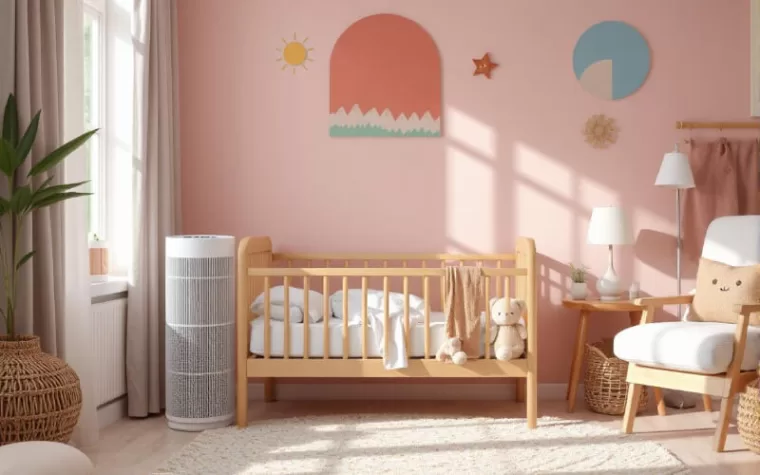
What is an air purifier, and why are so many people adding one to their homes? With indoor air quality becoming an increasingly important issue, air purifiers have become essential equipment for reducing allergens, dust, odors, and airborne contaminants. You need to ease your breathing, you have a child with allergies, you just want to make your place a healthier place, but you need the knowledge of how these devices work, so that you can select the one you need for your place. In this guide, we are going to dissect what air purifiers are, how they can improve air quality, and what features really matter.
What Is an Air Purifier
An air purifier is a machine that purifies the air by capturing or inactivating small particles that your baby should not inhale, such as dust, pollen, pet dander, mold spores, and even certain bacteria. An air purifier assists in making the environment safer and more comfortable by drawing air through filters and pushing it back out into a cleaner environment. The options, such as the Momcozy quiet air purifier, are favored by many parents who do not want to create noise in the nursery but still keep it clean.
Cooking, cleaning, and daily dust can easily pollute indoor air. Babies spend most of their time in their rooms, and clean air will lead to fewer irritants that affect their breathing, sleep, and general comfort. An air purifier can help with airborne particles, but it works best alongside regular cleaning habits that reduce dust and irritants throughout the home.
How Air Purifiers Improve Baby’s Room Air Quality
The room of your baby must be calm, safe, and clean, and air quality is a great contributor to the same. Air purifiers can make a noticeable difference by:
Reducing Allergens
Infants may have allergies even when they are not diagnosed with allergies. The nursery can easily accumulate dust mites, pollen, and pet dander. A HEPA filter purifier traps these small irritants before they get to the nose and lungs of your baby.
Minimizing Airborne Germs
Other air purifiers have UV-C light or antimicrobial filters, which aim to remove bacteria and viruses in the air. They are not a replacement for good hygiene or good cleaning, but an added barrier in an often-visited location of a baby.
Controlling Odors and Chemical Pollutants
Odors or volatile organic compounds (VOCs) can be generated by cleaning products, furniture, paints or diapers. The carbon filters capture the gases to purify the nursery air and make it purer and safer.
Supporting Better Sleep
Supporting Better Sleep, Less irritation and sneezes, and easy breathing are the results of cleaner air. Most parents observe that babies sleep well when the air in the nursery is clean.
Types of Air Purifiers Suitable for Families with Babies
Air purifiers are not made equal. The following are the baby-friendly options you will want to consider:
HEPA Air Purifiers
These are the golden standards of families. Real HEPA filters capture 99.97 percent of particles down to 0.3 microns in size, such as dust, pollen, mould, and some bacteria. They are safe, effective, and strongly recommended in nurseries.
Activated Carbon Purifiers
Carbon filters are often used together with HEPA filters and absorb gases and odors. They can be used to make the nursery smell good and minimize VOC exposure.
UV-C Purifiers
These utilize ultraviolet light to assist in neutralizing germs. They must not be exposed to the device directly to avoid direct exposure to UV. Most parents prefer models with HEPA-based filtration, in addition to UV-C sterility, just in case.
Ionic or Electrostatic Purifiers
Even though some models are quite effective, they are capable of producing low concentrations of ozone irritating the lungs, and this is not what babies should be subjected to. In choosing this type, make sure it is certified as ozone-free.
Hybrid Purifiers
They integrate multiple filtration methods such as HEPA + carbon + UV-C. They are useful to parents who want a single device that meets all air-cleaning needs.
How to Choose the Right Air Purifier for Your Baby
Choosing an air purifier in the room where your baby sleeps might seem a daunting task, but it becomes a lot easier when you focus on safety, quality of filtration, and noise. Here are the key features to look for:
Look for True HEPA Certification
Look beyond HEPA-like or HEPA-type filters. True HEPA guarantees real filtration efficiency.
Choose an Ozone-Free Model
The lungs of babies are still growing; that is why you should select an air purifier that is certified to be safe and that does not produce ozone.
Check the Room Size Rating
Ensure the clean air delivery rate (CADR) and recommended room size of the purifier suit your nursery. A purifier too small won’t help much; one too large might be too loud or too expensive.
Prioritize Quiet Operation
As it will probably operate 24/7, search for models of 40 dB noise or less to operate safely when asleep.
Consider Filter Replacement Costs
Filters should be changed every 6-12 months. Select a brand that has readily available, affordable replacements.
Benefits of Using Air Purifiers Around Babies
The introduction of an air purifier into the room of your baby can significantly improve the well-being, sleep, and comfort of your baby. Here are some of the top benefits:
Better Respiratory Comfort
Infants inhale faster than adults and absorb more particles per pound of body weight. The lungs that are developing are not overburdened with cleaner air.
Fewer Allergens and Irritants
Congestion, wheezing and coughing at night can be prevented even in the absence of known allergies by avoiding contact with dust, dander and pollen.
Enhanced Sleep Quality
The purifier produces cleaner air and low white noise, which enables the babies to sleep better.
Improved Overall Wellness
Reduced exposure to pollution can lead to reduced respiratory disease and better development.
Peace of Mind for Parents
It is a relief to know that your baby is breathing cleaner air, particularly when you are in a city, have pets, or have seasonal allergies.
Tips for Maintaining and Cleaning Your Air Purifier
Maintaining your air purifier will help it continue to operate efficiently, and your baby will always have fresh air. Here’s how to keep it running at its best:
Replace Filters on Schedule
Take the guidance of the manufacturer. Clogged filters are less effective and can even turn the trapped particles into the air.
Vacuum Pre-Filters Regularly
Larger particle pre-filters are reusable or washable on most purifiers. By washing them, the life of the HEPA filter can be extended.
Keep the Area Around the Purifier Clear
Air purifiers are best when there is good airflow. Hold it against the wall or furniture a couple of inches.
Clean the Device Exterior
Vents may be blocked by dust. Wipe the surface with a towel once a week.
Run It Consistently
Air quality changes in the nursery depending on the time of day; hence, have the purifier on to ensure reliable, consistent filtration in the nursery.
Conclusion
An air purifier can be a good addition to the room of your baby to make it a safer, healthier and more comfortable place to sleep and play. With an understanding of what an air purifier is, how it works, and what type of one works best in a family, you are bound to make a confident and informed consumer. With the right model and proper maintenance, you will be in a position to help your baby breathe and minimize allergens, and to have a greater degree of peace of mind, as your child grows.