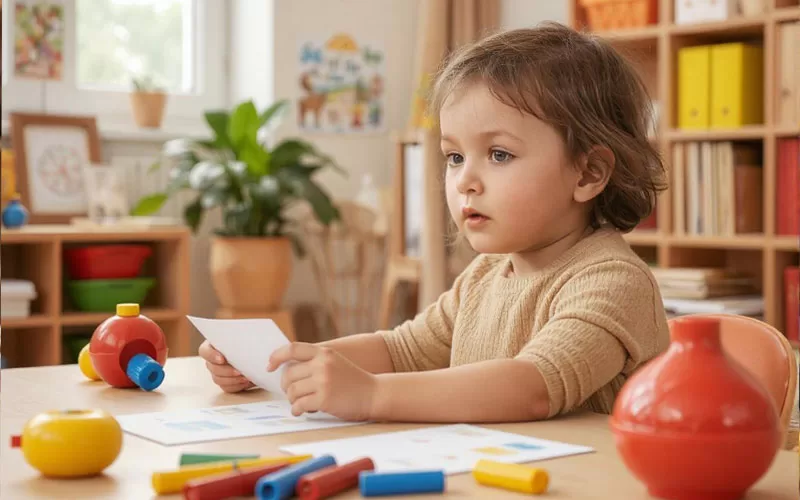
Many parents feel uncertain about when their child may need support for speech and language development. Research consistently shows that starting speech therapy before or during the preschool years (typically ages 3-5) often yields the best outcomes. Noticing early signs and understanding when to think about starting speech therapy for kids can play an important role in a child’s communication development.
Speech therapy equips children with the tools and techniques to enhance their ability to express themselves and interact effectively with others. Parents can learn more about key signs and what to expect during the process from resources that explain speech therapy for kids, including typical strategies and benefits.
This information is not medical advice. If you’re worried about your child’s speech or development, please talk to a doctor or speech therapist.
Key Takeaways
- Early identification can make a big difference.
- Knowing when to start maximizes progress.
- Preparation helps children get the most from therapy.
Understanding When to Start Speech Therapy for Children
Starting speech therapy at the right moment can have a significant impact on a child’s ability to communicate, learn, and interact socially. It’s critical for parents and caregivers to be able to spot early signs of speech and language delays, understand typical developmental milestones, and recognize why early intervention helps.
Recognizing Speech and Language Milestones
Children typically develop language skills in predictable stages. By 12 months, most can say a few words and understand simple requests. By age 2, they should use two-word phrases and follow basic instructions. At age 3, their vocabulary generally expands to 200 or more words, and they begin forming clear sentences.
Key milestones also include babbling, cooing, and responding to their own name within the first year. Some common speech and language milestones are:
- Babbling at 6 months
- First words by 12 months
- Combining words by 24 months
- Speaking in short sentences by 36 months
Consistency in reaching these milestones varies, but notable delays can indicate the need for further evaluation by a speech-language pathologist.
Signs of Speech Delays and Communication Challenges
Some children may not follow the expected timeline for speech development. Warning signs can include not babbling by 12 months, no use of gestures (such as pointing) by 12 months, and no words by 16 months.
By age 2, difficulties combining two words or poor understanding of simple directions may signal a language delay. Persistent articulation issues, such as unclear speech or difficulty pronouncing certain sounds, can be a concern. Additional signs include stuttering, a limited vocabulary for age, or frustration during communication. If these challenges arise, an assessment from a speech-language pathologist is recommended. Early identification allows any communication disorders or speech disorders to be addressed quickly.
The Importance of Early Intervention
Research shows that early speech therapy has better outcomes for children with language delays or communication difficulties. The brain’s plasticity in the early years supports more rapid language acquisition and improvement in speech development.
Children who receive therapy around ages 3 to 5 benefit most, as this period is critical for cognitive, social, and emotional growth. Early intervention can prevent difficulties from affecting academic and social success later on. Effective programs are tailored by speech-language pathologists, with goals based on each child’s unique needs. Parents are encouraged to seek an evaluation even if they are unsure, as the best age to start speech therapy is often earlier than many expect.
Preparing for and Maximizing Speech Therapy Benefits
Effective speech therapy begins with a thorough assessment, active family involvement, and a focus on improving both social and academic skills. Consistent support and early action can make a critical difference in a child’s communication and cognitive development.
Assessment and Diagnosis by a Speech-Language Pathologist
A speech-language pathologist uses standardized speech evaluation methods to assess a child’s communication skills. This may include observing verbal communication, gestures, fluency, and language comprehension. They also consider milestones such as vocabulary size, ability to form sentences, and expressive and receptive language abilities.
When parents notice limited vocabulary, unclear speech, or communication challenges, a comprehensive assessment is essential. Early identification helps address underlying speech and language disorders, including swallowing difficulties or problems with communicative intent. Assessment also takes into account academic readiness and social communication challenges. The results guide therapy goals so that interventions align with each child’s needs and developmental stage. Accurate diagnosis lays the groundwork for effective speech therapy for children.
Role of Family Engagement and Consistency
Family engagement is a cornerstone for maximizing speech therapy benefits. Parents and caregivers provide essential language opportunities and can reinforce strategies learned during speech therapy sessions at home. Regular involvement—such as practicing exercises, reading together, or encouraging use of new words in conversation—improves communication outcomes.
Consistency across environments strengthens progress. Children benefit most when communication milestones and effective communication behaviors are modeled and encouraged daily. Support from family helps children stay motivated, leading to improved fluency and cognitive development. A collaborative relationship between the speech therapist, child, and family ensures therapy techniques fit into daily routines. Tracking improvement and addressing new challenges as they appear also facilitates long-term social and academic success.
Conclusion
Children benefit most from speech therapy when support begins early, particularly during the preschool years. Early intervention can lead to better communication outcomes and smoother social development, making the ages of 3–5 ideal for starting therapy.
Parents and caregivers should look for signs such as missed developmental milestones or persistent speech difficulties. Consultation with a speech-language pathologist is recommended if concerns arise at any age. Speech therapy is effective at various stages, but earlier support often yields the greatest long-term improvements.