
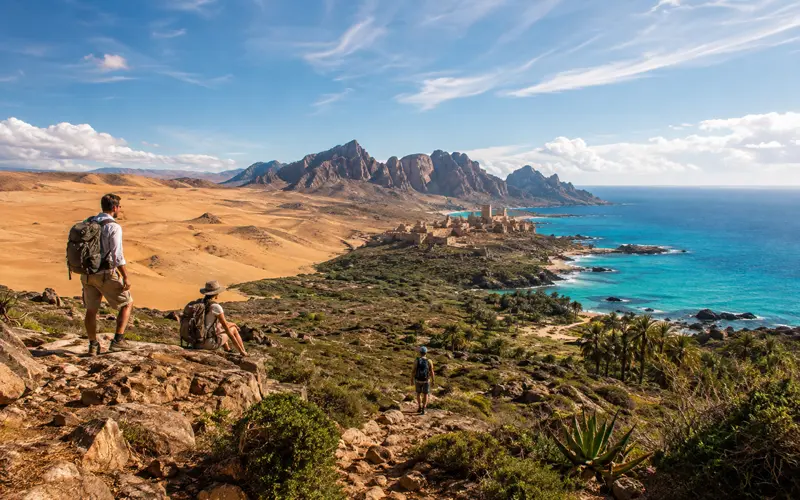
When many travelers picture a vacation in Africa, the first thing that comes to mind is a safari. Seeing elephants, lions, giraffes, and other wildlife in their natural habitats can certainly be unforgettable, but it represents only a small part of what this enormous and diverse continent has to offer.
Africa is home to ancient cities, dramatic mountains, tropical islands, sprawling deserts, spectacular waterfalls, historic landmarks, and distinctive food traditions. A trip can revolve around archaeology in Egypt, hiking in Tanzania, beaches in Zanzibar, city life in Cape Town, or the markets and architecture of Morocco without including a single game drive.
The possibilities also make it important to narrow the focus when planning. Africa is a continent rather than a single destination, and trying to fit several distant countries into one vacation can mean spending more time traveling than exploring. Choosing a region and combining a few complementary experiences usually creates a much more enjoyable trip.
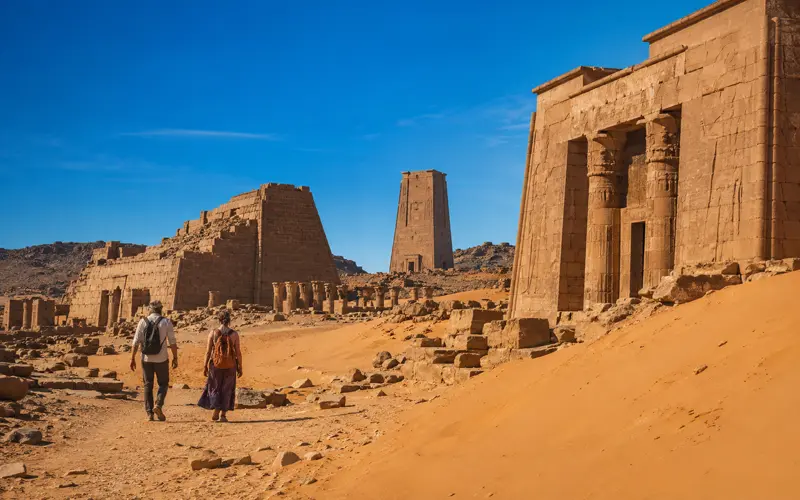
Explore the Pyramids of Giza in Egypt
Few landmarks are as immediately recognizable as the Pyramids of Giza. Located near Cairo, the Giza complex includes the Great Pyramid, the pyramids of Khafre and Menkaure, and the Great Sphinx.
The Great Pyramid was built as the tomb of Pharaoh Khufu and is the only surviving wonder of the ancient Seven Wonders of the World. Photographs may make the pyramids familiar, but they do not fully convey the scale of structures that have stood for thousands of years.
Giza can also become the starting point for a broader history-focused trip. Cairo offers museums, mosques, markets, historic neighborhoods, and additional archaeological sites, while the Egyptian Ministry of Tourism and Antiquities provides information about monuments and heritage sites throughout the country.
Experience the Power of Victoria Falls
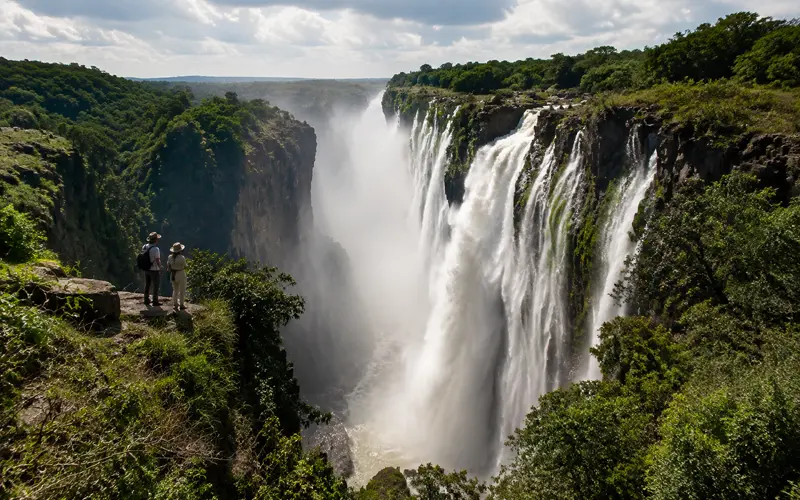
On the border between Zambia and Zimbabwe, Victoria Falls sends the Zambezi River plunging into a dramatic series of gorges. The enormous spray rising above the falls explains its traditional name, Mosi-oa-Tunya, or “The Smoke that Thunders.”
Water levels change considerably throughout the year, which means the view and surrounding activities can be different depending on when you travel. UNESCO’s Mosi-oa-Tunya/Victoria Falls information provides background on the protected World Heritage Site and its natural significance.
Beyond simply viewing the falls, the surrounding area offers several ways to experience the landscape:
- Walk the viewpoints and trails surrounding the falls.
- Take a Zambezi River cruise.
- See the gorge and waterfalls from the air.
- Go white-water rafting when seasonal conditions permit.
- Spend additional time exploring the riverfront area on either side of the border.
For travelers who like their vacations with a little adventure, Victoria Falls can easily become the centerpiece rather than a brief stop.
Wander Through the Medina of Marrakech
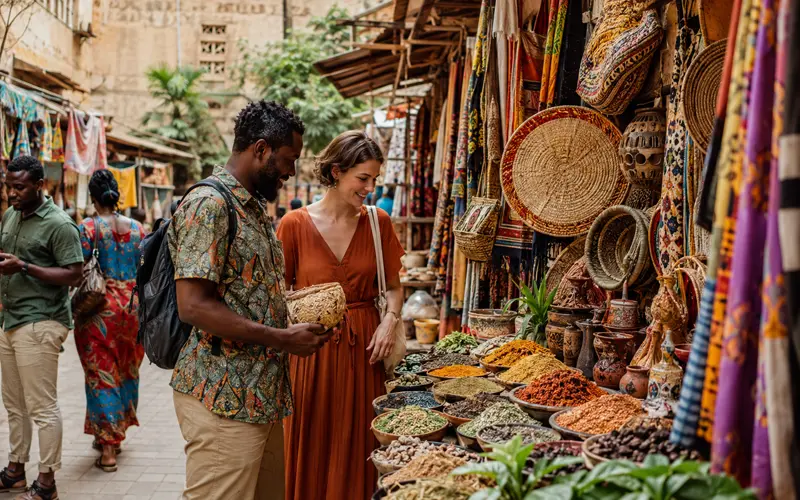
Marrakech offers a completely different type of African travel experience. Inside the historic medina, narrow streets lead between shops, courtyards, cafés, traditional architecture, and souks filled with spices, ceramics, textiles, leather goods, and handcrafted pieces.
Jemaa el-Fna is one of the city’s best-known gathering places, particularly as the square becomes busier in the evening. But Marrakech should not be reduced to a single plaza. Gardens, palaces, traditional riads, neighborhood restaurants, and quieter streets away from the busiest areas give travelers plenty of reasons to stay longer.
Walking through the Marrakech medina without a rigid schedule leaves room to browse shops, stop for a meal, and take in the details of the city at a slower pace.
Relax on the Beaches of Zanzibar
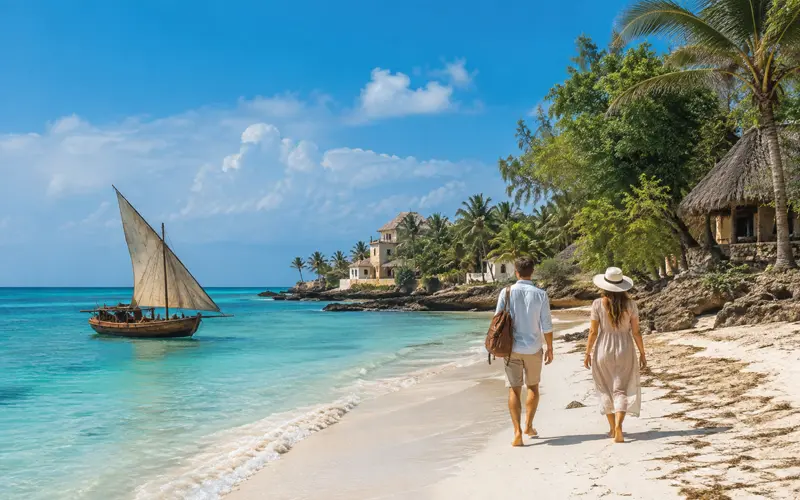
Africa’s coastline opens up an entirely different type of vacation, and Zanzibar is one of the destinations where beach time can be combined naturally with history and culture.
White sand and warm Indian Ocean water create plenty of opportunities for swimming, snorkeling, diving, sailing, and simply slowing down for a few days. The islands are also known for their long spice-growing history, so visiting a spice farm can add something different between days at the beach.
Lightweight clothing, sun protection, comfortable footwear, and practical beach vacation packing essentials work especially well for warm-weather days spent moving between the coast, town, and local excursions.
Climb or Hike Mount Kilimanjaro
At 5,895 meters, Mount Kilimanjaro is the highest mountain in Africa and one of the continent’s most recognizable outdoor destinations.
A summit attempt is a serious multi-day undertaking that requires physical preparation, proper equipment, and enough time to acclimatize to the altitude. Travelers do not have to reach the summit, however, to experience the mountain. Guided hikes on the lower slopes can provide forest scenery, mountain views, and an active day outdoors without committing to a full expedition.
Portable hiking snacks can also be useful on longer treks when you need something easy to carry and convenient to eat along the trail.
Discover Cape Town and Table Mountain
Cape Town works particularly well for travelers who want several different experiences without constantly changing hotels. Mountains, beaches, restaurants, gardens, museums, and coastal scenery are all within reach of the city.
Table Mountain dominates the skyline and can be reached by hiking or by cableway. From there, the itinerary can move in almost any direction: the V&A Waterfront, Kirstenbosch National Botanical Garden, coastal neighborhoods, beaches, or the Cape Peninsula.
| If you enjoy… | Consider adding… |
|---|---|
| Scenic views | Table Mountain and coastal overlooks |
| Gardens and nature | Kirstenbosch National Botanical Garden |
| Food and city life | Neighborhood restaurants and markets |
| Beaches | Time along the Atlantic coastline |
| Road trips | A drive around the Cape Peninsula |
| History | Robben Island and city museums |
That variety makes Cape Town useful for couples, families, and travelers who do not necessarily agree on what they want to do every day.
Learn About South African History on Robben Island
A trip to Cape Town can also include a much more serious experience. Robben Island, located offshore from the city, was used for different purposes throughout its history but is most widely known as the site of the maximum-security prison where political prisoners were held during apartheid, including Nelson Mandela.
Robben Island’s UNESCO World Heritage designation recognizes its connection to South Africa’s history of oppression, resistance, democracy, and freedom.
Historical sites like this add context that scenic viewpoints alone cannot provide. Spending part of a vacation learning about the events and people that shaped a destination can make the rest of what you see more meaningful.
See the Giant Sand Dunes of Namibia
Namibia’s desert landscapes seem almost designed for a road trip. Huge red and orange dunes, wide-open horizons, salt and clay pans, and dramatic changes in light create scenery very different from the greener landscapes many people associate with Africa.
Sossusvlei is particularly well known for its towering dunes, while nearby Deadvlei is recognizable for its pale clay surface and dark remains of ancient camel thorn trees. Early morning is popular because cooler temperatures and low sunlight can make the colors of the dunes especially striking.
Desert travel does require more planning than driving between heavily populated cities. Distances can be long, fuel and water need to be considered carefully, and temperatures can change significantly throughout the day. Those practical challenges are part of why Namibia works best for travelers who enjoy the journey as much as the destination.
Explore Stone Town in Zanzibar
Zanzibar’s beaches may draw travelers to the islands, but Stone Town provides a reason to step away from the shoreline.
The historic center is filled with winding streets, carved wooden doors, markets, old buildings, and architectural influences shaped by centuries of trade across the Indian Ocean. Walking is one of the easiest ways to explore because many of the details that make Stone Town interesting are found along small streets rather than around one large attraction.
A day might include:
- Browsing local markets.
- Sampling Zanzibari dishes.
- Looking for the elaborate carved doors found throughout the old city.
- Visiting historical and cultural sites.
- Stopping at cafés rather than rushing back to the resort.
Combining Stone Town with a beach stay creates a trip with both cultural exploration and downtime without requiring another flight.
Taste Your Way Through Local Food
There is no single “African cuisine.” The continent contains dozens of countries and an enormous range of food traditions influenced by geography, agriculture, history, religion, migration, and trade.
A meal in Morocco may revolve around tagine and couscous, while Ethiopia is known for injera served with richly seasoned dishes. Egypt has koshari, South Africa has its own braai traditions, coastal East African cuisine incorporates spices and seafood, and jollof rice is found in several West African countries with spirited debate over the best version.
Food tours, local markets, cooking classes, neighborhood restaurants, and regional specialties make it possible to explore a destination through meals rather than treating dining as something squeezed between attractions. It is also an easy way to slow the pace of a busy sightseeing schedule.
Visit Historic Cities and Markets
Some of the most memorable parts of an African trip may happen in cities rather than at famous natural landmarks. Marrakech, Fez, Cairo, Cape Town, Accra, Kigali, Dakar, Tunis, and many other cities offer their own mix of architecture, museums, markets, restaurants, neighborhoods, and contemporary culture.
Morocco’s medinas are particularly interesting examples. Fez, Marrakech, Essaouira, and other cities have historic districts where traditional craftsmanship and everyday commerce continue alongside tourism.
Walking through the medinas of Morocco can take you from food stalls and workshops to courtyards and historic buildings within just a few streets. Leaving an afternoon open for a market, café, neighborhood walk, or unexpectedly interesting museum also gives the city room to surprise you.
Decide What Kind of African Vacation You Want
With so many possibilities, it helps to start with the type of experience you want rather than trying to create a list covering the entire continent.
For example:
- History and archaeology: Egypt
- Beaches and culture: Zanzibar
- Mountains and hiking: Tanzania
- Desert landscapes and road trips: Namibia
- Cities, coastline, and history: South Africa
- Markets, food, and architecture: Morocco
- Waterfalls and outdoor adventure: Zambia or Zimbabwe
These are not the only reasons to visit each country, but choosing a central theme can make the initial planning much easier.
Trying to cross long distances simply because two places happen to be on the same continent can quickly increase both travel time and cost. Narrowing the itinerary first makes it easier to compare routes, accommodations, and transportation while finding ways to save money on flights and hotels without building an itinerary that does not make geographic sense.
Combine Different Experiences Without Overloading the Trip
One of the best approaches to an African vacation is choosing destinations that naturally give you more than one type of experience.
Zanzibar, for example, allows you to combine beaches with Stone Town and local food. Cape Town can include mountains, coastline, gardens, restaurants, and important historical sites. Egypt can pair famous archaeological attractions with museums, markets, city exploration, and time along the Red Sea.
A trip also does not need an activity scheduled for every hour. Mixing major attractions with markets, scenic drives, restaurants, beach afternoons, water activities, and other fun vacation activities can create a better balance between sightseeing and downtime.
Africa Is Much More Than a Safari
A safari may be one of Africa’s most famous travel experiences, but it does not need to define the trip. The continent offers ancient landmarks, tropical beaches, mountains, waterfalls, deserts, historic cities, regional foods, and cultural experiences that can easily fill an entire vacation.
Standing beside an ancient pyramid, watching mist rise above Victoria Falls, wandering through a Moroccan medina, hiking beneath Kilimanjaro, exploring Cape Town, or spending a quiet afternoon beside the Indian Ocean can each provide a completely different reason to travel to Africa.
The hardest part may simply be deciding which experience comes first.