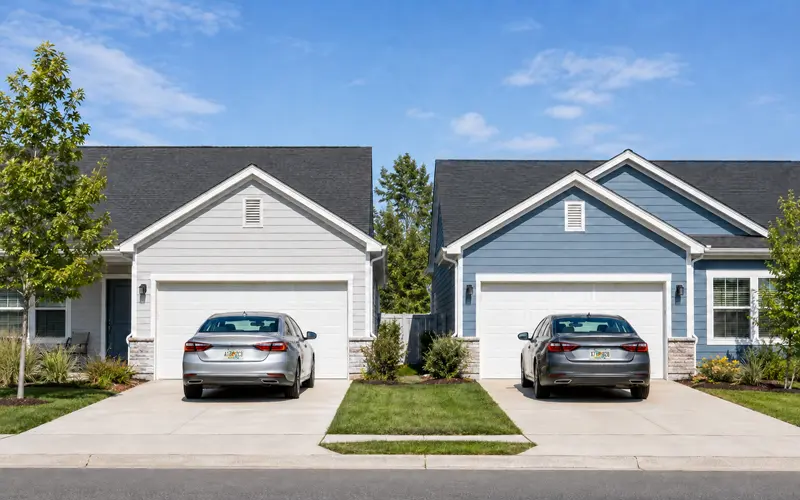
Two houses sit across from each other on the same street. The same model of sedan sits in each driveway, both from the same year and purchased used. One neighbor pays about ninety dollars a month, while the other pays close to two hundred. Nothing about the cars explains the difference.
That gap drives people a little crazy because insurance is one of the few bills that arrives without an itemized explanation. You get a number and a due date, but rarely the reasoning behind either. That can make the entire process feel arbitrary or even personal.
It is neither. Insurers calculate how likely you are to cost them money, and every input in that calculation is something they can identify. Some of those inputs are yours to change, while others are simply facts about your life. Knowing which is which can help you do more than grumble when your renewal notice arrives.
The Math Behind the Number
An insurance premium is a prediction with a price tag attached. Actuaries examine available information about drivers who are statistically similar to you, estimate what their claims could cost over the next twelve months, and calculate a rate from that risk. The way vehicle insurance is priced has remained structurally similar for decades, even as the data behind it has become more detailed.
Twenty years ago, an insurer primarily considered factors such as your age, ZIP code, vehicle, and ticket history. Today, a company may also know how hard you brake, how frequently you drive after midnight, and whether your phone moves while the car does if you participate in a usage-based insurance program.
Finer data allows insurers to sort drivers into increasingly specific risk categories. State laws also determine which factors companies are permitted to consider. None of it is a moral judgment about you. It is a prediction about a category you happen to fall into, which is why a careful driver can still receive an unpleasant quote.
Where You Park at Night
Your address can have a significant influence on your premium. Insurers examine claims by area, including:
- Vehicle theft
- Collisions
- Vandalism
- Severe weather damage
- Traffic congestion
- The number of vehicles parked on nearby streets
If your neighborhood generates numerous claims, your rate may reflect the location rather than only your driving habits. That is why the same driver can move twenty minutes away and see the bill increase or decrease.
Location affects premiums in Canada as well. Someone comparing Thunder Bay car insurance with coverage in a densely populated Canadian metropolitan area will rarely receive identical rates. Although insurance regulations differ between Canada and the United States, insurers in both countries consider location when evaluating risk.
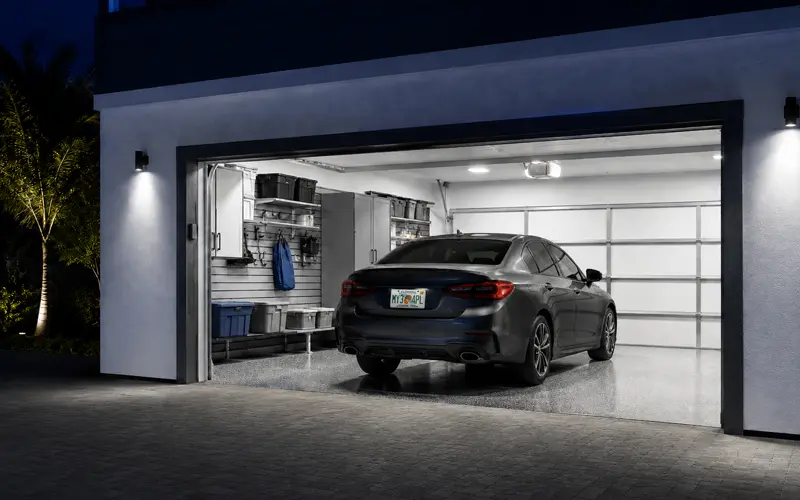
Where the vehicle is kept overnight may also matter. A locked garage could present less risk than a driveway or overnight street parking, particularly in an area with frequent theft or vandalism. The available savings and rating practices vary by company.
Your Record, History, and Claims
Personal responsibility becomes more visible when insurers examine your driving history. A clean record is one of the most reliable ways to hold a premium down, and many companies reward drivers who remain accident- and claim-free.
Tickets often affect rates in tiers. One minor speeding citation may barely register, while repeated citations could change your risk classification. An at-fault accident can remain part of your insurance history for years because insurers review driving and claims records when preparing quotes.
Even a claim you did not cause could affect your premium in certain circumstances. The outcome depends on state law, the type of claim, and the insurer, so it may be worth asking your insurance agent how a small claim could affect your policy before filing it.
Age and experience work similarly, only more slowly. New drivers generally pay the most because inexperience creates additional risk. Rates often ease as drivers gain experience and maintain clean records. That curve cannot be negotiated, but time and responsible driving can gradually work in your favor.
The Car in the Driveway
The vehicle carries its own risk profile independent of its driver. Insurers consider what a model costs to repair, how frequently it is stolen, how it performs in crash tests, and what types of claims are commonly associated with it.
Performance trims often cost more to insure. Large trucks may also generate higher premiums because of the damage they can cause during a collision. Vehicles filled with sensors and cameras can be safer, but a bumper containing several radar modules is expensive to replace. Those repair costs can feed directly into collision and comprehensive rates.
The practical move is to request an insurance quote before buying a vehicle rather than after. Insurance is an ongoing expense like fuel and tires, so it belongs in the budget beside them. That is worth remembering when shopping for your next vehicle and two models appear nearly identical on the sticker.
Insurance also deserves a place on your planning list when preparing your vehicle before a road trip, especially if you will be driving long distances or crossing state lines.

The Factors You May Be Able to Control
Once the fixed details are removed, drivers still have several opportunities to influence their premiums.
| Factor | How It Can Affect Your Premium | Possible Action |
|---|---|---|
| Annual mileage | Driving fewer miles can reduce exposure to accidents | Update your estimated mileage after changing jobs or commutes |
| Deductible | A higher deductible generally lowers the premium | Choose an amount you could comfortably pay after a claim |
| Coverage limits | Higher limits usually cost more but provide greater protection | Review whether your coverage still fits your needs |
| Bundling | Combining policies may qualify for a discount | Compare bundled and separate prices |
| Driving habits | Safe driving may produce savings through certain programs | Consider whether a usage-based program fits your routine |
| Available discounts | Eligibility varies by state and insurer | Ask about safety, student, defensive-driving, and low-mileage discounts |
Mileage is one factor drivers often overlook. If you switched to hybrid work or now have a shorter commute, tell your insurer. Lower annual mileage could qualify you for a reduced rate, and the change may not be applied automatically.
Some carriers offer usage-based insurance programs that calculate part of the premium according to how you drive instead of relying entirely on broader demographic information. That can work well for cautious drivers but may be less beneficial for people who frequently drive late at night, brake sharply, or log substantial mileage.
Shopping around remains one of the most useful options. Companies weigh the same factors differently, so the insurer that charged you more at twenty-two could become one of your least expensive choices at thirty-five.
Reading Your Renewal Notice
Return to those two neighbors. The person with the more expensive policy may have a shorter driving history, longer commute, recent at-fault claim, or lower deductible. None of that is visible from the curb, which is why comparing insurance bills with friends provides so little useful information.
Before renewing, write down anything that has changed:
- You moved to a new address.
- You started working from home.
- Your annual mileage decreased.
- A young driver moved onto a separate policy.
- You installed an eligible safety or anti-theft device.
- An older claim or citation may no longer affect your rate.
- Your vehicle is now driven or stored differently.
Insurers do not always receive these updates automatically. An unreported change could mean missing a discount or paying a rate based on outdated information.
You cannot control the weather, the crime rate in your neighborhood, or every category used to calculate your premium. You can control the driving record you build, the car you choose, the coverage you carry, and how often you compare insurers. That is real leverage, and it is more than many drivers ever use.