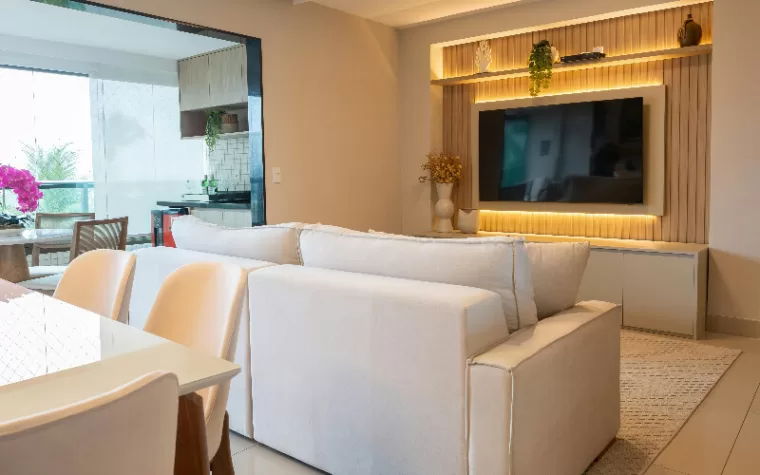
Modern homes are designed for effortless living. With clean lines, smooth surfaces, and functional layouts, they make it easy for homeowners to move in, add their personal touches, and feel instantly settled. These spaces embody the best of contemporary design—simplicity, comfort, and convenience. Yet, even the most beautifully designed modern home can sometimes feel as though it’s missing something intangible. Despite having the perfect layout and aesthetic, there can be a subtle absence—a certain warmth or character that gives a home its soul.
It’s the soul of a home that gives it character. New homes don’t always come with that built-in sense of history—the kind that lingers in creaking floors and timeworn walls. Instead, they often start as a blank canvas, fresh with possibility but waiting for personality to take root. Yet a lack of history doesn’t mean your home can’t feel storied. With a thoughtful touch, even the newest space can gain a sense of depth, charm, and warmth.
Capturing the spirit of a Georgian townhouse, for instance, isn’t about copying it room for room. It’s about drawing inspiration from its timeless details—its craftsmanship, symmetry, and quiet elegance—and reimagining those qualities in a modern setting. The goal is to create balance: a home that feels both refined and welcoming, polished yet comfortably lived-in.
Let’s explore how to weave traditional touches into a modern home to bring it to life with character and heart.
Start with the Bones
Take a look around the home. What do you see? New homes often have details missing that are present in older properties. It’s the structure that’s often lacking, not the furniture. Old houses have trim, wainscoting, crown molding, etc. Modern homes have smooth walls. It’s blank, clean, and clinical, and it feels flat. Adding architectural details, even subtle changes, can instantly change the way a room feels. You don’t need to call in a carpenter unless you want to. You can purchase crown molding or wall paneling kits that are easy to install yourself. It will take just a weekend, a bit of time, and patience.
Try adding slim picture molding around art and mirrors, and paint it the same color as the walls, so it feels integrated. Add wainscoting to dining rooms and hallways to ground the space and give added character to otherwise empty walls. By blending the crisp, clean lines of modern homes with subtle architectural details, you’re making your new home feel more anchored.
Play with Texture
Old homes don’t feel shiny. They age gracefully because they know how to wear them. And if your home needs that patina, then you can fake it without faking the style. The trick is to choose finishes with a little warmth to them. Think limewash, matte paints, brushed metal, etc., because it’s this texture that will stop your modern home from feeling sterile. Try a rough linen throw on a structured sofa, wool curtains instead of polyester, or a jute rug in your glossy kitchen. It’s this type of contrast that brings charm to properties and makes them feel lived-in rather than just a showhome. Try matte paint to soften your walls; the way it catches the light will take the edge off the straight-lined architecture. Or change the sheen between walls and trims to make a room feel more crafted.
Light That Feels Lived In
Modern lighting can feel cold and clinical, and new homes aren’t exempt from this. Traditional homes glow with warmth and depth. Try layering lighting at different heights: wall sconces, pendants, lamps, etc. Consider the metal you’re using when adding layered lighting. Cool silver items can be reminiscent of industrial spaces, so opt for warmer tones to add that heritage softness. Top luxury timeless brass lighting helps bridge both worlds perfectly. It looks classic in form but sits comfortably in modern spaces. Or go bold with statement ceiling lighting, or keep it subtle with wall lighting only, maybe beside a mirror or bed. It’s not about the color of the finish; it’s the glow it gives off that gives it warmth.
Avoid Over-Curating
When it comes to blending design styles, the key is knowing when to stop. You want your home to feel cohesive, not themed. A few well-chosen heritage touches can make a world of difference. Think of a vintage mirror in the hallway, a brass latch on a painted door, or decorative molding that adds dimension to a simple entryway. These small details can introduce warmth and character without overwhelming the space. Another common pitfall is the urge to make everything match. Perfect coordination can actually make a room feel flat. Instead, focus on creating harmony—pieces don’t have to be identical, but they should complement one another. Not every element needs to shout “period feature.” Let your modern furnishings coexist naturally with traditional architecture to create a grounded, timeless look.
Clean-lined furniture paired with classic details brings visual balance—a mid-century chair beneath a coved ceiling, or a marble-topped table under a brass chandelier. These kinds of contrasts give your home depth and interest. One simple design trick: choose a single traditional metal and repeat it throughout your space. For example, brass can subtly reappear as a light fixture, cabinet handle, or mirror frame. When used thoughtfully, this repetition ties the look together with effortless sophistication—a detail that feels seamless because it’s done so well.
Color Is Important
The easiest way to mix old with new is via color. Historic tones such as ochre, sage, and navy work beautifully with modern neutrals, and paint is the way to get this right. If your modern home is full of whites, blacks, or greys, then try adding depth with one darker or warmer tone. Use color locking to highlight new trim and panelling. Even painting the ceiling can be the shift you need. But embrace colour, add tones to give the room a more lived-in feel, and work with what you have to blend, not replace, for the ultimate result.