
When most people think about healthy living, it is almost always related to diet and exercise, or sleep or stress management. Though all of these elements matter, one important aspect of wellness is often neglected: having healthy blood flow. Good blood cirulcation is essential for overall wellbeing. Circulation is integral to just about everything in the body, with energy, muscle, mental acuity, and recovery. If blood flow is not in place for the organs, tissues, and muscles to transport oxygen and nutrients, vital functions find it impossible to carry out.
Fatigue, leg pain, heaviness in the feet or legs, swollen limbs or joints. These complaints, which occur on a daily basis, may be related to poor circulation problems that develop slowly over time. Also, because of the slow onset of these issues, people might brush them off as part of old age or simply living a busy lifestyle. But good blood circulation is key to fostering comfort, endurance, and overall health on a daily basis.
Knowing how circulation relates to other aspects of health helps people track the signs and symptoms earlier, build better preventive health habits, and enjoy a higher standard of living.
Why Healthy Blood Flow Matters
Adding oxygenated blood to the body is the job of the circulatory system. The heart pumps the blood through arteries to tissues and organs, and veins take back the oxygen-poor blood to the heart and lungs for replenishment. This ongoing process allows the body to function properly and is involved in everything from how your brain works to recovery from muscle fatigue.
The circulatory system is critical to the survival of every single cell in your body. During exercise, muscles perform better with oxygen and nutrients carried in the blood, organs function more normally with a proper supply of blood, and the immune system fights disease as a result of good circulation. Good circulation also aids in body-wide temperature regulation and helps remove waste products, which build up due to the regular course of metabolic processes.
But when there is restricted blood flow, the body will have a harder time keeping these vital functions up and running. Even small circulation problems can affect physical energy, concentration, movement, and recovery from physical load or injury.
Circulation is particularly critical in the legs as veins are working against gravity to return blood to the heart. This is why symptoms from poorly functioning circulation usually show first in the legs.
How Blood Flow Affects Energy
Fatigue is one of the common effects of circulation issues. The blood provides oxygen, which the cells utilize to create energy, and when circulation starts to slow down, tissues may not receive adequate doses of oxygen gas and cannot carry out their functions properly. This could make a person feel unusually tired, sluggish, or drained physically during the day.
While most people attribute low energy only to stress, sleep deprivation, or age, blood circulation problems can also be a significant factor. When blood flow is less than optimal, even common tasks may seem to take greater physical effort since many muscles and organs are not getting enough oxygen support.
Changes in circulation are recognized by the brain particularly sensitively. Good blood circulation helps you in concentration, memory, and clarity of mind – every aspect that is needed to function effectively as an NBFC Member, whereas less or reduced circulation can lead to brain fog or not being able to focus on the tasks. In the long run, chronic fatigue and impaired mental acuity will take their toll on how productive you are, your motivation levels, and your general emotional well-being.
This is because good circulation will support more consistent energy levels because it aids the body in being able to effectively circulate key nutrients and oxygen. This enables you to feel more able and maintain better stamina when completing ordinary tasks and exercising.
Comfort and Mobility Impairment: The Role of Circulation
Healthy circulation relates to comfort and mobility. Proper blood circulation ensures efficient functioning of muscles and joints, minimizes inflammatory response in damaged tissues, and promotes soft tissue repair. Restricted circulation usually occurs with a gradual onset of symptoms such as heaviness, swelling, and tingling or aching in the legs.
Individuals who spend long hours standing or sitting can experience these symptoms more often, as blood can start pooling in the lower legs. Meanwhile, long-term suffer poor blood circulation may finally lead to vein-related concern varicose veins or existing chronic venous insufficiency (CVI), which greatly lessen the comfort and range of motion when taking little measures day-to-day. Individuals seeking advanced vascular care to find relief from leg discomfort in Romulus may benefit from minimally invasive vein treatments that help improve circulation, reduce swelling, and support long-term mobility.
Many circulation problems limit mobility, which in turn feeds a cycle that makes for worsening health. People who are in pain when walking or standing might shy away from exercise to decrease blood flow and reduce the likelihood of other health problems. Better circulation means more physical comfort, which allows people to be active and independent for longer periods of time.
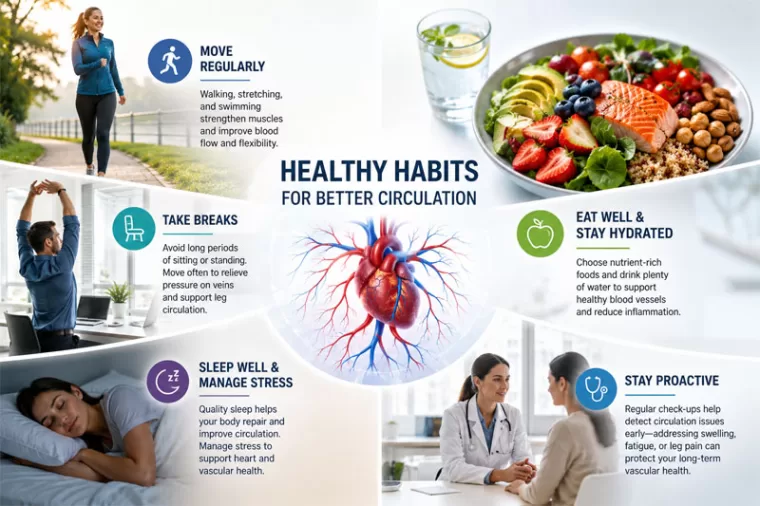
Good habits to maintain good circulation
Healthy blood flow starts with some simple but important habits that support vascular and heart health. Moving regularly is one of the best ways to improve circulation since physical activity strengthens the muscles underpinning blood return to the heart.
Low-impact exercise, such as walking, stretching, and swimming all help support vascular health and improve endurance and flexibility. Another option is to take breaks from a prolonged sitting or standing position, as this may also relieve pressure on the veins and improve circulation in the legs.
Nutrition influences too much. Diets high in fruits, vegetables, healthy fats, lean protein, and whole grains can lower inflammation and support healthy blood vessels. Hydration is one of the most important things because we should have all the fluids that help blood circulate in our bodies.
We shouldn’t neglect sleep and stress management as well. On the other hand, chronic stress can impact circulation and cardiovascular health, and proper sleep is essential for the repair and recovery of tissue.
Preventive healthcare is another vital aspect of maintaining vascular health. A medical assessment regarding ongoing swelling, excessive fatigue, or leg pain permits well-being care providers to seek any circulation considerations early on and deal with them accordingly.
The Importance of Early Awareness
In contrast, circulatory problems are insidious; the symptoms build slowly, and people think nothing of it. Scores of people endure pain or tiredness for years until they figure out these signs are pointers that can indicate vascular troubles.
This early awareness can prevent severe complications. Circulatory disorders are generally better managed when they are diagnosed early on. Today, many vascular disorders are treated with modern minimally invasive methods that offer shorter recovery times and less physical pain than traditional surgery. Knowing the significance of healthy blood flow can empower people to take more initiative in pursuing long-term health, rather than letting manageable symptoms impact their quality of life.
Conclusion
The ability to maintain healthy blood flow is one of the most foundational and essential aspects of overall wellness that people do not typically realize until normal symptoms begin affecting their comfort, energy, or mobility. Circulation promotes proper distribution of oxygen and nutrients, aids recuperation (pumping out wastes), and contributes to optimal function of virtually all systems at all times.
If circulation is compromised, the implications can go way beyond physical pain. Fatigue, swelling, limited mobility, and prolonged recovery affect the quality of life and influence long-term health. The endocrine circulatory system component of mind wellness will set the stage for how you can expect better preventive care and healthier day-to-day habits.
I hope this article has helped open the doors for you to take charge of your circulation health by looking at movement, nutrition, stress management, and a medical evaluation early enough in life so that people can stay well energized and more comfortable throughout all stages of their lives.