Every family eventually hits the same wall: soccer season ends, the weather changes, or one kid announces they’re bored with the same activities. Suddenly, you’re scrambling for something new to fill the weekends.
Trying a new sport as a family doesn’t have to mean an expensive gym membership or a long-term commitment nobody really wants to make. There are plenty of activities that work across a range of ages and skill levels, and trying them together can make the experience more fun.
The key is finding something that fits your family’s interests, schedule, and budget before investing heavily in equipment or months of lessons.
Why Try New Sports Together?
Beyond filling weekend time, there’s real value in trying something new together when everyone is a beginner, or at least close to it. The usual dynamic where parents are the experts and kids are learning from them changes a little. Everyone gets to figure things out, make mistakes, and improve together.
There is also the simple benefit of getting everyone moving. A sport the whole family enjoys is much easier to make part of your routine than an activity that only one person loves while everyone else simply tolerates it.
We’ve always enjoyed finding different ways to spend time together as a family, whether that involves something active or a completely different kind of challenge. Even an indoor activity like a family escape room experience can be a reminder that sometimes the best family activities are the ones where everyone gets to participate.
Swimming: A Sport and a Valuable Life Skill
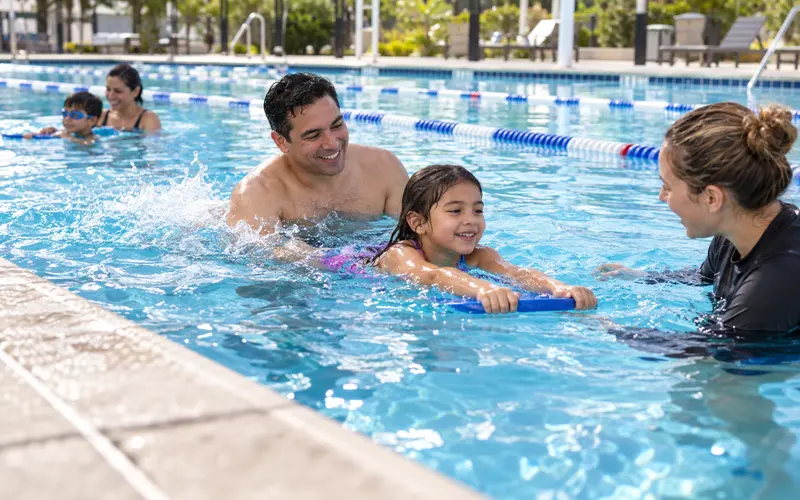
Swimming can be one of the most useful family sports to try because it adapts so well to different ages and abilities. A young child may be getting comfortable in the water while an older sibling works on stroke technique, and parents can improve their own swimming skills as well.
For families in the Tampa area, Nemo swimming classes offer programs for different ages and skill levels. Starting each family member at an appropriate level, rather than expecting everyone to learn the same skills at the same pace, can help keep frustration low and make the experience more enjoyable.
Swimming also offers something many recreational sports don’t: stronger water skills can be valuable beyond the activity itself. For families who spend time around pools, beaches, lakes, or boats, becoming more comfortable and capable in the water is another good reason to consider swimming.
Archery: Focus, Patience, and Something Different
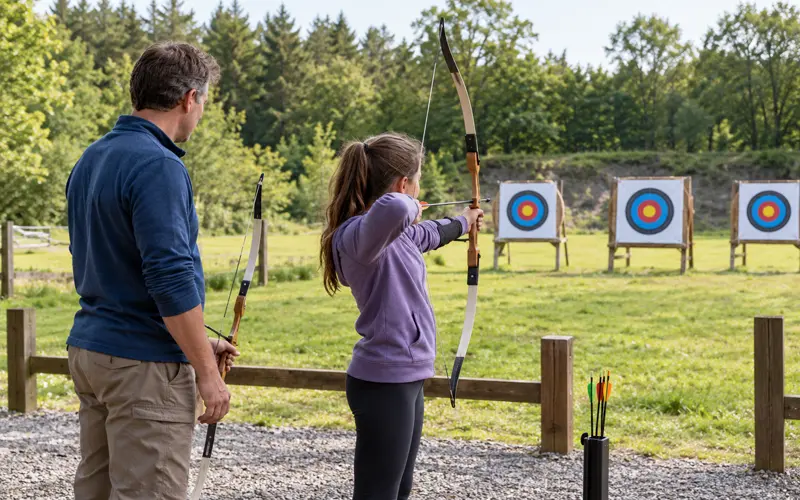
Not every family sport needs to involve running around a field. Archery can be a good option for families with different athletic strengths because it places more emphasis on focus, technique, patience, and consistency than on speed or endurance.
Families in the Orlando area can explore structured beginner programs through ArcheryUP lessons, where participants can learn proper form, safety practices, and range etiquette. Having an instructor introduce the basics can make the first experience much more comfortable, particularly when children are participating.
Archery also makes it possible for family members with different skill levels to practice during the same outing. A parent and child can each work on their own technique and improvement without needing to perform at exactly the same level.
Consider Everyone’s Age Before You Commit
Not every sport works the same way for every age, so think about the entire family before signing up for a season of lessons.
- Younger children: Look for activities centered on exploration, movement, and becoming comfortable with the basics rather than competition.
- Elementary-age kids: Many are ready for more structured instruction and can begin developing specific skills.
- Teenagers: Give them some input. Older kids may be much more interested when they have a say in choosing the activity.
- Adults: Don’t forget yourselves. A shared activity is more likely to last when the adults enjoy participating rather than simply supervising from the sidelines.
Age is only one consideration. Personality, interest, physical ability, and comfort level matter too, so two children of the same age may enjoy completely different activities.
Signs a New Sport Is a Good Fit
You don’t necessarily need to know after the first lesson whether you’ve found your family’s new favorite activity. Starting something unfamiliar can feel awkward at first, so giving it a few sessions can provide a much better idea of whether everyone wants to continue.
Some encouraging signs include:
- Kids asking when they get to go again without being prompted
- Everyone talking about something they learned or want to improve
- Lessons fitting reasonably well into your existing schedule
- Family members practicing skills between sessions
- Most people looking forward to the activity, even if every session isn’t perfect
If getting everyone to a lesson becomes a battle every single time, consider whether the problem is the activity itself or something simpler, such as the day, time, instructor, or length of the session.
Budgeting for a New Family Activity
Cost can vary considerably depending on the sport and how many family members participate. Before committing, ask about trial lessons, beginner packages, equipment rentals, and sibling or family discounts.
Swimming lessons are often priced individually or in multi-week packages. Archery programs may offer a beginner series and access to equipment, allowing families to try the sport before purchasing bows and other gear.
That trial period is useful for almost any new activity. There is little reason to fill the garage with equipment until you know someone is going to keep using it.
Other Family Sports Worth Exploring
Swimming and archery aren’t the only activities that can work across different ages. If neither appeals to everyone, there are plenty of alternatives that don’t require committing to an entire competitive season.
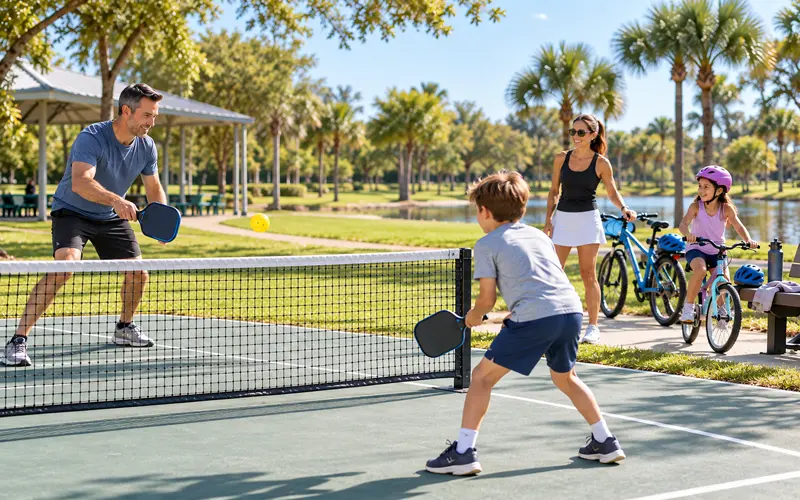
- Pickleball: The smaller court can make it approachable for family members with different experience levels.
- Rock climbing: Indoor climbing gyms often have routes designed for different abilities, allowing everyone to work at their own pace.
- Bike riding: Local paths and trails can turn a simple bike ride into a regular family activity without requiring formal lessons.
- Hiking: Choose the trail based on the youngest or least experienced family member and build up from there.
- Bowling: It’s easy to adjust for different ages and abilities, and nobody has to be particularly athletic to join in.
- Kayaking or paddleboarding: These can be fun options for older children and adults who are comfortable around the water.
Here in Florida, being able to stay active outdoors for much of the year gives families even more choices. Exploring different Florida hiking trails is one way to add physical activity to a family outing without signing up for another weekly commitment.
The goal isn’t to try everything at once. It’s simply knowing there are other options if the first activity doesn’t turn out to be the one that sticks.
Making Sports Part of Family Life
Once you find something everyone enjoys, consistency can make it much easier to keep going. A recurring Saturday morning lesson or Sunday afternoon activity becomes part of the family calendar instead of something you have to plan from scratch every week.
Keep expectations realistic, too. Not every lesson will be a breakthrough, and enthusiasm can vary from one week to the next. Kids may complain on the way there and have a great time once they arrive, or they may eventually decide a particular sport isn’t for them.
Trying new sports as a family isn’t necessarily about finding one activity everyone will continue forever. It’s an opportunity to be active, spend time together, and give everyone a chance to discover something they might not have considered before. Swimming, archery, pickleball, biking, climbing, or a completely different activity could end up becoming part of your family’s routine—or simply be something fun you were glad you tried together.