
Body art has become an increasingly popular way to express personal style, whether through a permanent tattoo, an eye-catching piercing, or a temporary design that lasts only a few days. What makes body art so interesting is the variety of options available. Some people prefer delicate, understated details, while others enjoy colorful designs, decorative jewelry, and more elaborate looks.
Modern body art trends extend beyond traditional tattoos. Nail designs, face jewels, henna, and temporary tattoos offer opportunities to experiment without making a permanent commitment. Even established styles continue to evolve as artists introduce new techniques, jewelry designs, and creative interpretations.
From subtle everyday accents to statement designs for special occasions, these body art trends offer inspiration for anyone interested in trying something different.
1. Creative Nail Art and Manicures
Nail art continues to evolve beyond traditional polish colors and French manicures. Intricate patterns, textured finishes, and decorative accents have turned manicures into another form of personal expression. Some designs are subtle enough for everyday wear, while others are elaborate enough to become the centerpiece of an outfit.
One interesting approach combines decorative nails with temporary hand tattoos. Delicate patterns extending from the fingers onto the hands can create a coordinated appearance, particularly for weddings, festivals, and special occasions.
Popular nail art styles include:
- Minimalist designs featuring fine lines, tiny flowers, and geometric patterns
- Chrome and metallic finishes that create a reflective appearance
- Three-dimensional accents using pearls, rhinestones, and textured details
- Coordinated nail and hand art with temporary floral or ornamental patterns
- Seasonal designs incorporating different colors, textures, and decorative elements
2. UV-Reactive Makeup and Colorful Designs
UV-reactive makeup creates an entirely different effect from traditional cosmetics because certain pigments become especially noticeable under ultraviolet lighting. Bright colors, graphic eyeliner, and artistic patterns can appear dramatically different under black lights, making this style popular for themed parties, music festivals, and creative photography.
The appeal lies in experimenting with designs that go beyond conventional makeup application. Fluorescent eyeliner can outline the eyes, while colorful patterns along the temples or cheekbones create a more dramatic appearance. Some people prefer a small accent, while others incorporate several contrasting colors into a coordinated design, much like choosing complementary shades when applying everyday eye makeup.
Unlike traditional evening makeup, UV-reactive designs are often intended to look noticeably different depending on the lighting. However, products should always be formulated for cosmetic use and appropriate for the areas where they are applied. Craft paints and ordinary fluorescent pigments are not suitable substitutes, particularly around the eyes.
3. Body Jewels and Decorative Face Gems
Body jewels offer another temporary way to experiment with personal style. Small rhinestones, pearls, metallic accents, and decorative crystals can be arranged around the eyes, along the cheekbones, or across the collarbone. The result can be anything from a delicate sparkle to a dramatic statement.
What makes this trend especially versatile is the ability to customize both the placement and the amount of decoration. A few tiny crystals near the outer corners of the eyes can complement an elegant evening look, while larger arrangements are popular for festivals and themed celebrations.
There are several ways to incorporate decorative jewels into a look:
- Around the eyes: Small crystals positioned near the outer corners or along the brow bone
- Across the forehead: Symmetrical arrangements inspired by ornamental jewelry
- Along the collarbone: Pearls or rhinestones that complement an evening outfit
- On the hands and arms: Small decorative accents combined with temporary tattoos
Many decorative gems come with skin-safe adhesive backing, making them relatively easy to apply and remove. Products should still be used according to their instructions, especially near sensitive areas. Avoid applying loose decorations too close to the eyes, and remove adhesive gently to prevent irritation.
4. Lace and Ornamental Temporary Tattoos
Temporary tattoos have progressed far beyond the small novelty designs many people remember from childhood. Today’s options include detailed lace patterns, botanical artwork, fine-line illustrations, and decorative metallic designs that can resemble intricate jewelry.
Lace-inspired tattoos are particularly appealing because of their delicate appearance. A design placed around the wrist can resemble a bracelet, while patterns along the shoulder or collarbone can complement an evening outfit. Ornamental designs also offer an opportunity to experiment with the appearance of permanent tattoos before deciding whether to commit to one.
For inspiration, many people wear lace tattoos in creative arrangements, combining intricate patterns with clothing and jewelry.
Most temporary transfer tattoos last several days, although the duration depends on the product, placement, and exposure to water or friction. Following the manufacturer’s instructions helps achieve a cleaner application and prevents unnecessary skin irritation.
These designs are particularly practical for special events because they provide the appearance of detailed body art without requiring long-term maintenance.
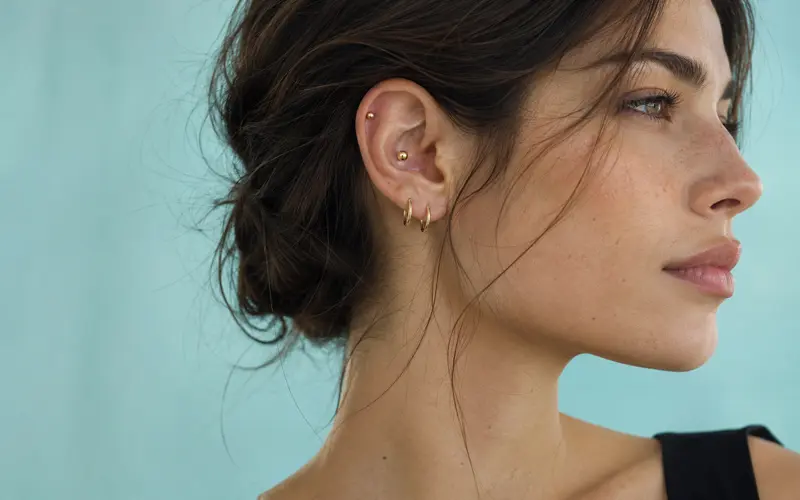
5. Conch Piercings and Curated Ear Jewelry
Ear piercings have become increasingly personalized, with people combining different placements and jewelry styles to create a coordinated appearance. Instead of wearing identical earrings in each ear, a curated arrangement might include small studs, hoops, and decorative pieces positioned throughout the ear.
Conch piercings are one distinctive option. Located in the bowl-shaped cartilage area toward the center of the ear, a conch piercing can accommodate different jewelry styles depending on its placement and stage of healing.
A simple stud creates a relatively understated appearance, while a properly fitted hoop can produce a more noticeable effect once the piercing has healed sufficiently. Combining conch jewelry with existing lobe or helix piercings allows for additional customization.
There are many styles of piercings and jewelry available, but appearance should never be the only consideration. Cartilage piercings require professional placement, suitable jewelry, and careful aftercare. Healing can take several months or longer, and changing jewelry too early can cause irritation.
6. Fine-Line and Minimalist Tattoos
Permanent tattoos remain an important part of modern body art, but not every design needs to be large or elaborate. Fine-line tattoos use delicate lines to create understated images, including flowers, meaningful symbols, initials, and small illustrations.
Minimalist designs can be particularly appealing to someone considering a first tattoo. A small botanical illustration on the forearm, a meaningful date, or a simple geometric shape can have personal significance without covering a large area of skin.
Some popular approaches to permanent tattoo designs include:
- Fine-line florals with delicate botanical details
- Minimalist symbols representing meaningful people, places, or experiences
- Geometric tattoos combining clean lines and symmetrical shapes
- Small script tattoos featuring names, dates, or meaningful words
- Ornamental designs inspired by traditional patterns and decorative artwork
For those considering something more elaborate, ornamental tattoos and larger floral arrangements offer additional possibilities. Placement, skin characteristics, and the artist’s technique all influence how a tattoo looks as it ages. Very delicate designs may lose some definition over time, making it important to discuss realistic expectations before choosing a design.
Looking at examples of modern tattoos can help narrow down preferred styles, but an experienced tattoo artist should explain how a particular design will translate to the skin.
Tattoo Safety and Responsible Studio Practices
Unlike temporary body art, permanent tattoos involve needles that deposit pigment into the skin. Choosing a professional studio with appropriate sanitation procedures is just as important as selecting an artist whose work you admire.
Before getting a tattoo, there are several basic safety practices worth looking for:
- Sterile, single-use needles that are opened for each client
- Proper hand hygiene and protective gloves during the procedure
- Clean work surfaces and appropriately sterilized reusable equipment
- Safe handling and disposal of used needles and other sharp instruments
- Clear instructions for caring for the tattoo during healing
Professional studios should immediately discard used needles in appropriate sharps containers rather than placing them in ordinary trash. Dedicated tattoo sharps disposal containers help studios safely contain contaminated needles and other sharp instruments, reducing the risk of accidental injuries during handling and disposal.
Clients should feel comfortable asking about hygiene practices, equipment sterilization, and aftercare before an appointment. Professional standards matter just as much as the quality of the artwork, particularly because tattooing involves breaking the skin.
7. Glitter Art and Shimmering Body Accents
Glitter art can range from a barely noticeable shimmer to intricate decorative patterns. Cosmetic glitter, shimmering gels, and reflective body products offer temporary ways to add dimension to an outfit or makeup look.
For special occasions, glitter can be incorporated into designs along the shoulders, collarbone, or arms. A light application of body shimmer creates a softer appearance, while detailed patterns using several colors can become a focal point. Decorative face jewels and metallic makeup can also be combined with glitter for a coordinated look.
One advantage of glitter art is its flexibility. A simple shimmer can complement formal clothing, while colorful patterns are better suited to festivals, themed parties, or creative events. The design can be adjusted to match an outfit without the commitment associated with permanent body art.
The most important consideration is choosing products specifically intended for cosmetic application. Ordinary craft glitter can contain materials unsuitable for skin contact, and anything used near the eyes should be specifically approved for that area. Biodegradable labeling alone does not establish that a glitter product is safe for cosmetic use.
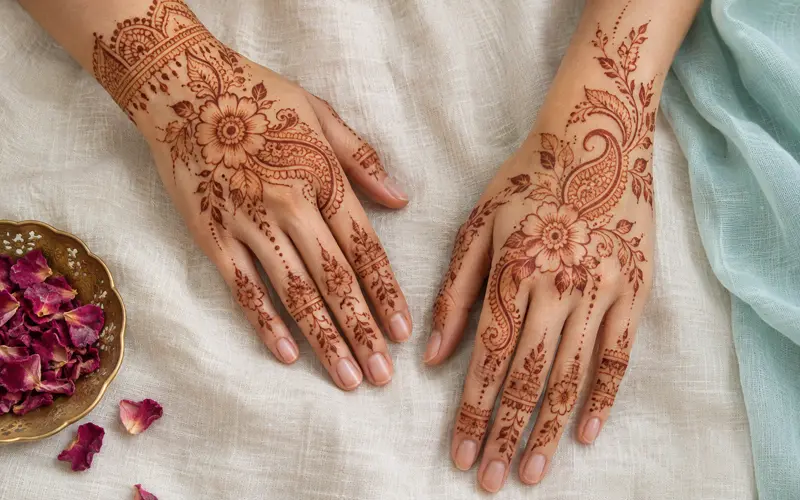
8. Henna and Traditional Body Art
Henna, also known as mehndi, has a long cultural history and remains an important part of celebrations and personal expression in many communities. The intricate patterns commonly associated with henna can include floral arrangements, geometric details, and traditional motifs.
Unlike permanent tattoos, henna stains the outer layers of the skin rather than depositing ink beneath the surface. Natural henna generally produces reddish-brown to brown tones, with the final appearance influenced by the formulation, application, and individual skin characteristics.
Traditional henna designs are often associated with weddings and celebrations, but smaller decorative patterns can also be incorporated into everyday personal style. Designs on the hands, arms, and feet are particularly familiar, although the artwork and traditions vary across cultures.
It is important to understand the differences between products marketed as henna:
- Natural henna: Derived from the henna plant and generally produces reddish-brown stains
- Black henna: May contain additives such as para-phenylenediamine (PPD), which can cause serious allergic skin reactions
- Metallic temporary designs: Gold, silver, and rose-gold patterns are typically cosmetic transfers rather than traditional henna stains
The FDA has published information about henna and temporary tattoo safety, including concerns about certain additives used in black henna products. Understanding what is being applied to the skin is important, particularly when getting a temporary design from an unfamiliar vendor.
Finding a Body Art Style That Suits You
The variety of body art available today makes it possible to experiment with personal style in ways that were once limited to traditional tattoos and piercings. Temporary designs provide flexibility for special occasions or changing preferences, while permanent tattoos and piercings offer opportunities for more lasting expression.
Consider how a particular design fits your everyday lifestyle, how much maintenance it requires, and whether it is something you will enjoy beyond its current popularity. A few decorative crystals may be perfect for an evening out, while a meaningful tattoo or carefully selected piercing may become part of your personal style for years.
Body art does not have to follow every changing trend. Choosing designs that reflect your preferences and working with reputable professionals when appropriate can make the experience both enjoyable and rewarding.