London is an extraordinary city for anyone who enjoys museums, with collections covering everything from ancient civilizations and famous artwork to science, design, and the natural world. Many major institutions are located in central neighborhoods, making it easy to combine museum visits with parks, historic streets, cafés, and other attractions. You could spend weeks exploring London’s museums, but a carefully chosen selection can provide an excellent introduction without turning your vacation into a race from one gallery to another.
The number of options can initially feel overwhelming. Some museums are enormous and deserve several hours, while others are much smaller and easier to fit into a busy sightseeing day. Rather than trying to see everything, choose institutions that match your interests and build the rest of your itinerary around them. This leaves enough time to appreciate the exhibits instead of simply checking famous names off a list.
Start With the British Museum
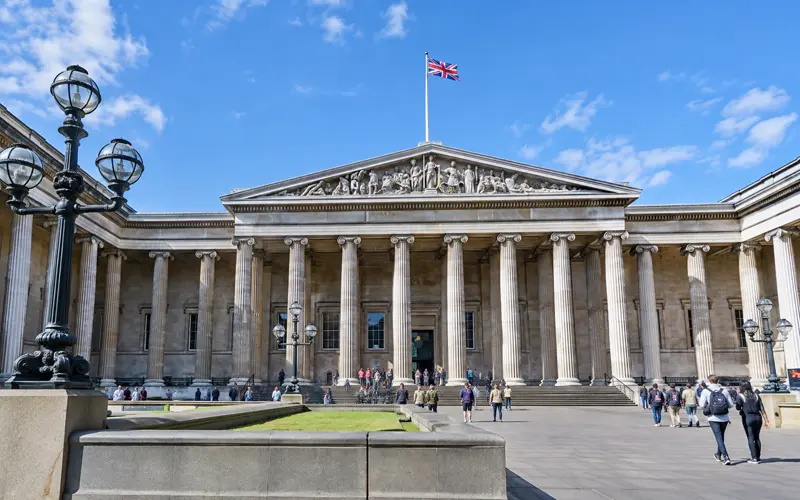
For a first visit, the British Museum is difficult to overlook. Located in Bloomsbury, it houses an enormous collection spanning thousands of years and countless cultures. Ancient Egyptian artifacts, Greek sculptures, Roman objects, and treasures from Asia are among the highlights, although the scale of the collection means you will never see everything in one visit.
Begin in the Great Court before deciding which galleries you want to explore. Choosing several specific sections before arriving can prevent museum fatigue and give you more time with the objects that capture your attention.
See the National Gallery
Art lovers should make room for the National Gallery on Trafalgar Square. The collection includes works by some of Europe’s most celebrated painters, with masterpieces spanning several centuries. Its central location also makes it convenient to combine with other attractions around Westminster and the West End.
You do not need to be an art expert to enjoy the experience. Choose a few artists or paintings that interest you, and allow yourself time to look closely. The building and its location overlooking Trafalgar Square are also part of the experience.
Explore the Natural History Museum
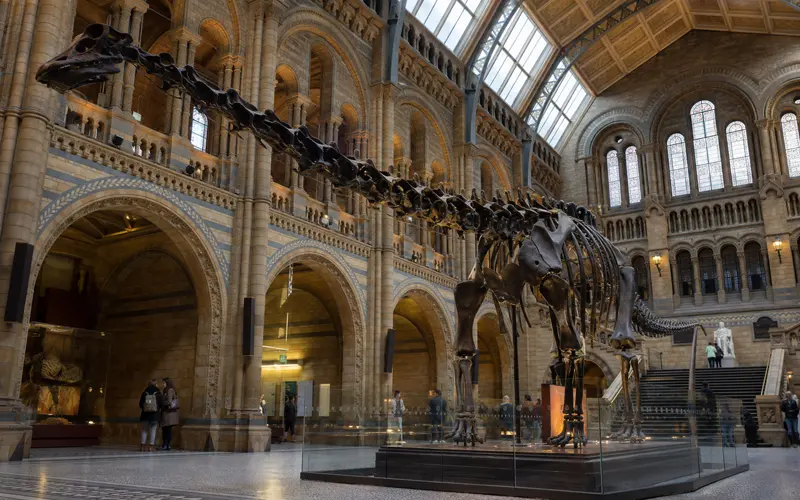
The Natural History Museum is one of London’s most recognizable cultural landmarks, popular with families and anyone fascinated by the natural world. Its dramatic Romanesque architecture creates an impressive setting before you even reach the exhibits.
Inside, visitors can encounter dinosaur skeletons, fossils, minerals, and displays explaining the development of life on Earth. The museum offers enough variety to keep both children and adults interested.
Allow several hours if you want to explore properly, but do not feel obligated to cover every gallery. Picking a few highlights can make the visit much more manageable.
Visit the Science Museum
Located next door, the Science Museum offers an entirely different experience. Its exhibits explore medicine, engineering, space travel, computing, and other areas of scientific development.
Interactive displays make it accessible for families, while aviation and space enthusiasts can spend considerable time examining historic technology. Many exhibits also show how scientific inventions have changed everyday life.
The Science Museum and Natural History Museum can be visited on the same day because of their proximity, although exploring both thoroughly may be tiring. If you have limited time, choose the one that best matches your interests.
Discover the Victoria and Albert Museum
The Victoria and Albert Museum, usually known as the V&A, is a strong choice for anyone interested in art, design, fashion, and decorative objects. Its collections span centuries and continents and offer a change from London’s history-focused museums.
Fashion exhibits can be especially engaging, while rooms filled with furniture, ceramics, sculpture, and textiles demonstrate how design has evolved. The elaborate interiors also provide a fitting backdrop for the collections.
Because the V&A is close to the Natural History and Science museums, South Kensington can serve as a convenient base for a full day of cultural exploration.
Make Time for Tate Modern
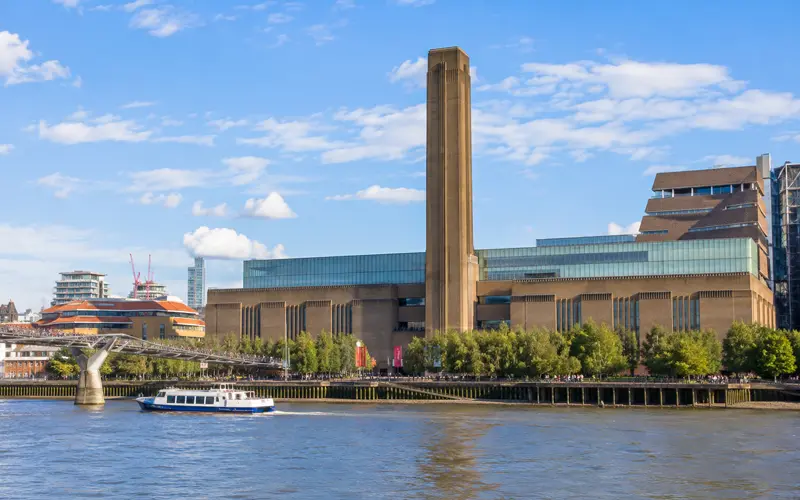
For modern and contemporary art, head toward Tate Modern on the South Bank. Housed in a former power station, the building is as distinctive as many of the works displayed inside.
The collection includes major figures from the modern art world, along with temporary exhibits that change throughout the year. Even visitors who are uncertain about contemporary art may enjoy approaching the collection with curiosity instead of trying to understand every work immediately.
The location beside the Thames is another advantage. After your museum visit, walk along the river toward Millennium Bridge, Shakespeare’s Globe, or Borough Market.
Experience the Imperial War Museum
The Imperial War Museum offers a different kind of museum experience, focusing on conflict and its impact on individuals and societies. Exhibits combine military objects with personal stories, photographs, and historical accounts.
The subject matter can be emotionally challenging, so allow enough time to absorb what you are seeing rather than treating the museum as a quick stop. It can be especially valuable for visitors interested in understanding the human side of major historical events.
Its location south of the Thames also makes it easy to combine with other parts of central London.
Consider the Museum of London Docklands
Visitors who want to understand London’s development as a major port should consider the Museum of London Docklands. Located in a historic warehouse at Canary Wharf, it explores the city’s relationship with the with the River Thames, trade, and commerce.
Modern skyscrapers now surround an area that was once central to London’s maritime economy, highlighting how much this part of the city has changed. It is also a good option when you want to move away from the busiest tourist areas for a few hours.
Take a Trip From Paris
London’s museums can also be included in a wider European city vacation. Travelers arriving from France can make the journey across the Channel by rail and begin exploring the capital soon after arrival.
The Paris to London train makes combining the two cities practical for visitors who prefer rail travel. Anyone considering both destinations can start by planning a trip to Paris before deciding how many days to reserve for London’s museums. Check current schedules, ticket conditions, and travel requirements before setting off, especially during busy periods.
A trip beginning in Paris can easily continue with several days of museums, galleries, and historic attractions in London.
Plan Around Your Interests
The most enjoyable museum itinerary is not necessarily the one with the greatest number of stops. Choose museums based on what interests you and the people traveling with you:
- Ancient history: British Museum
- Classic European art: National Gallery
- Natural history and dinosaurs: Natural History Museum
- Science and technology: Science Museum
- Fashion and design: V&A
- Modern and contemporary art: Tate Modern
- Military and social history: Imperial War Museum
- London’s maritime history: Museum of London Docklands
If you are visiting with children, alternating museums with outdoor activities can prevent everyone from becoming tired or bored.
Use London’s Parks as Breaks
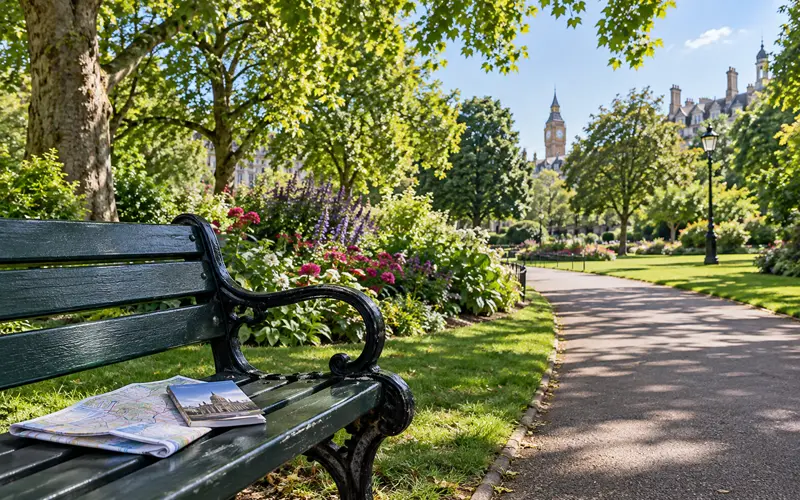
One advantage of London’s major museums is their proximity to green spaces. Hyde Park is close to South Kensington, while St. James’s Park can be reached easily from Trafalgar Square and Westminster.
These parks offer a welcome break between cultural visits. Even a short walk outdoors can make the next museum more enjoyable. Rather than scheduling museums from morning until evening, build in time for lunch, coffee, and fresh air.
Check Exhibits Before Visiting
Permanent collections are only part of what London’s museums offer. Temporary exhibits can be among the most popular attractions, and some require separate tickets or timed entry.
Check official museum information before your visit to find out whether advance booking is necessary. This is especially important when there is a special exhibit you do not want to miss. Opening hours and planned closures can also change.
Along with confirming museum details, completing a few important vacation preparations before leaving home can help the entire trip run more smoothly.
Take Advantage of Free Collections
Many of London’s major national museums offer free general admission, although special exhibits may charge an additional fee. This allows visitors to explore world-class collections without spending a large part of their travel budget on entrance tickets.
Free admission also gives you the freedom to make a shorter visit. If you have only an hour available, choose a few highlights rather than rushing through several galleries.
Choose Your Location Carefully
Where you stay can influence how many museums you can comfortably visit. South Kensington is convenient for the Natural History Museum, Science Museum, and V&A, while Bloomsbury provides easy access to the British Museum.
Staying closer to central London can reduce travel time between cultural attractions. However, London’s public transportation network means you do not necessarily need to stay directly beside a museum.
Consider your evening plans as well. A central location may make it easier to combine museums with theaters, restaurants, or walks along the Thames.
Avoid Museum Overload
A common mistake among first-time visitors is assuming that adding more museums will create a better experience. Large collections can become exhausting, especially when every room contains something competing for your attention.
Two substantial museums in one day may be enough. If you want to visit a third, choose something smaller or more specialized. A few memorable exhibits are far more satisfying than remembering only tired feet and crowded galleries.
Combine Culture With London’s Neighborhoods
London’s museums provide excellent starting points for discovering the city beyond their collections. After the British Museum, explore Bloomsbury’s garden squares and bookstores. Following the V&A, wander through South Kensington and Kensington Gardens. A visit to Tate Modern can lead naturally into a riverside walk.
Mixing in other vacation activities keeps museum days from feeling repetitive and gives you a better sense of the neighborhoods surrounding each institution.
Keep Your First Visit Flexible
There is no perfect museum itinerary for London. Your interests, travel companions, weather, and energy levels will all influence what works best.
Choose two or three priorities, check practical details before traveling, and leave room for spontaneous decisions. If a particular exhibit captures your attention, stay longer. If a museum begins to feel overwhelming, step outside and continue your sightseeing elsewhere.
London’s museums offer an exceptional introduction to the city’s history, creativity, and international character. From ancient treasures at the British Museum and masterpieces at the National Gallery to scientific discoveries, natural history, fashion, and contemporary art, there is something for almost every interest. With a manageable itinerary and enough time to enjoy each stop, even a short stay can provide a memorable introduction to London’s museums.