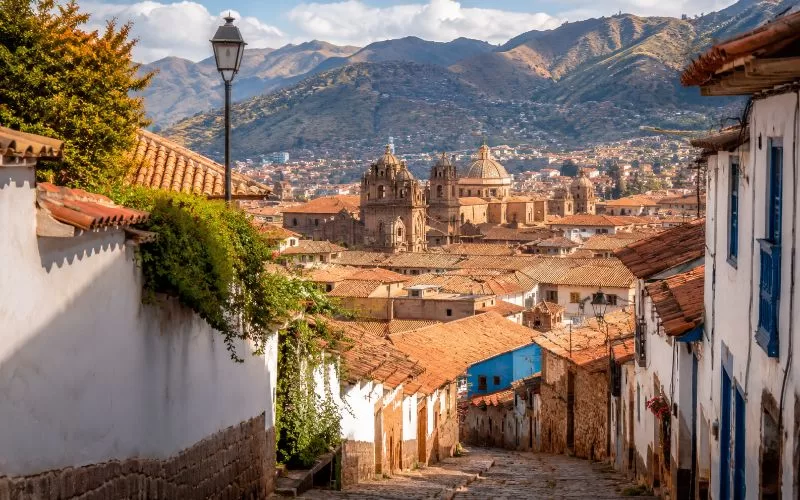
Cusco is one of the most memorable cities in Peru because it offers so much more than a starting point for Machu Picchu. Set high in the Andes, this former Inca capital blends ancient stonework, Spanish colonial architecture, lively markets, mountain views, and some of the most important archaeological sites in South America. If you are planning a trip and wondering about the best things to see in Cusco Peru, this guide will help you decide what belongs in the city portion of your itinerary, what works better as a day trip, and what to know before you go.
Because Cusco sits at a high altitude, it is also a place where pacing matters. The city rewards travelers who slow down, look closely, and give themselves time to adjust. A well-planned visit can include historic plazas, Inca ruins, local neighborhoods, cultural stops, and unforgettable excursions into the Sacred Valley.
How Many Days Do You Need in Cusco?
For most travelers, three to four days in Cusco is a good starting point, especially if you are also planning to visit Machu Picchu. One day can be spent exploring the historic center, another can focus on nearby ruins, and at least one full day is helpful for the Sacred Valley. If you want to add Rainbow Mountain, Lake Humantay, or a slower pace because of the altitude, five or more days will feel more comfortable.
A simple Cusco itinerary may look like this:
- Day 1: Arrive, adjust to the altitude, explore Plaza de Armas and nearby streets
- Day 2: Visit Qorikancha, Cusco Cathedral, San Pedro Market, and San Blas
- Day 3: See Sacsayhuamán and nearby archaeological sites
- Day 4: Take a Sacred Valley day trip
- Day 5: Visit Machu Picchu or add another day trip
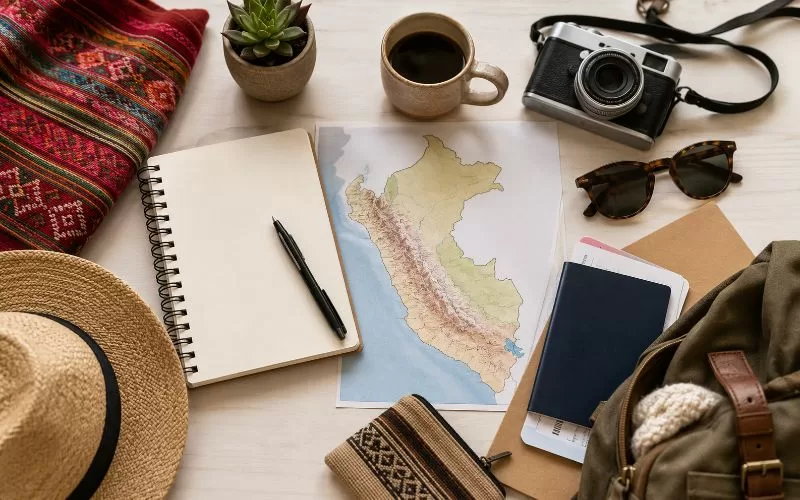
If Cusco is part of a larger international trip, it helps to plan carefully around flights, transfers, tickets, and rest days. The same thoughtful approach you would use when traveling internationally applies here, especially because altitude and transportation can affect how much you comfortably fit into each day.
Start at Plaza de Armas
Plaza de Armas is the natural starting point for exploring Cusco. This central square is surrounded by historic buildings, restaurants, shops, tour offices, and some of the city’s most recognizable architecture. It is also one of the easiest places to get your bearings before wandering into nearby streets.
The plaza has long been an important gathering place, and today it remains the heart of the historic center. You can sit on a bench, take in the surrounding churches, watch daily life unfold, and begin to understand how Cusco’s Inca and colonial history still overlap. Many city tours begin here, and the official Peru tourism site is a helpful place to start if you want a broader overview of the historic center.
This is also a good first-day activity because it does not require a strenuous hike or an early morning start. After arriving in Cusco, a slow walk around the plaza and nearby streets is often a better choice than packing the day with major excursions.
Visit Cusco Cathedral
Cusco Cathedral sits directly on Plaza de Armas and is one of the city’s most important colonial landmarks. Built during the Spanish colonial period, it reflects the layered history of Cusco, where Catholic architecture was placed within a city that had already been deeply shaped by the Inca Empire.
Inside, visitors can see religious artwork, carved wood, chapels, and details that reflect both European and Andean influences. Even if you do not spend a long time inside, the cathedral helps frame the history of the plaza and the way Cusco changed after the Spanish arrival.
For travelers who enjoy historic cities, this is one of the easiest places to add context to the trip. It pairs well with Qorikancha because both sites show how Inca foundations and colonial buildings became intertwined throughout Cusco.
See Qorikancha and Santo Domingo
Qorikancha, also known as the Temple of the Sun, is one of the most fascinating places to see in Cusco. Once one of the most important temples in the Inca world, it was later incorporated into the Santo Domingo Church and convent. That contrast is what makes the site so powerful to visit.
The remaining Inca stonework is remarkably precise, and seeing it alongside colonial architecture gives visitors a clear look at Cusco’s layered past. This is not just a beautiful building; it is one of the clearest examples of how history was built directly on top of history in this city.
Qorikancha is close to Plaza de Armas, so it is easy to visit on the same day as the cathedral, San Pedro Market, and the San Blas neighborhood. It is also a strong choice for your first full day because it offers history and culture without requiring a long drive outside the city.
Explore Sacsayhuamán
Sacsayhuamán is one of the most impressive archaeological sites near Cusco. Located on a hill above the city, it is known for its massive stone walls, wide open spaces, and views overlooking the historic center. The scale of the stones is what makes the site so memorable.
Many visitors are surprised by how close Sacsayhuamán is to the city, but because it sits uphill, the visit can feel more demanding than it looks on a map. You can walk there if you are comfortable with the climb, but many travelers prefer to take a taxi or join a guided tour. Either way, it is worth giving yourself enough time to explore without rushing.
This is one of the best places to appreciate Inca engineering outside of Machu Picchu. The stonework, setting, and views make it a highlight for anyone interested in ancient architecture and Andean history.
Visit Qenqo, Tambomachay, and Puka Pukara
Several smaller archaeological sites sit near Sacsayhuamán, and they are often visited together on a half-day tour. Qenqo is known for its carved stone features and ceremonial associations, while Tambomachay is often connected with water channels and ritual use. Puka Pukara, sometimes described as a fortress or military site, offers another look at how the Inca organized important areas around Cusco.
These sites may not feel as dramatic as Sacsayhuamán at first glance, but together they help tell a fuller story of the region. They also make sense for travelers who want to see more than the most famous landmark and understand how many layers of Inca history surround the city.
A guide can be especially helpful here because these sites are easier to appreciate with an explanation. Without context, it is easy to walk through quickly and miss why they mattered.
Walk Through San Blas
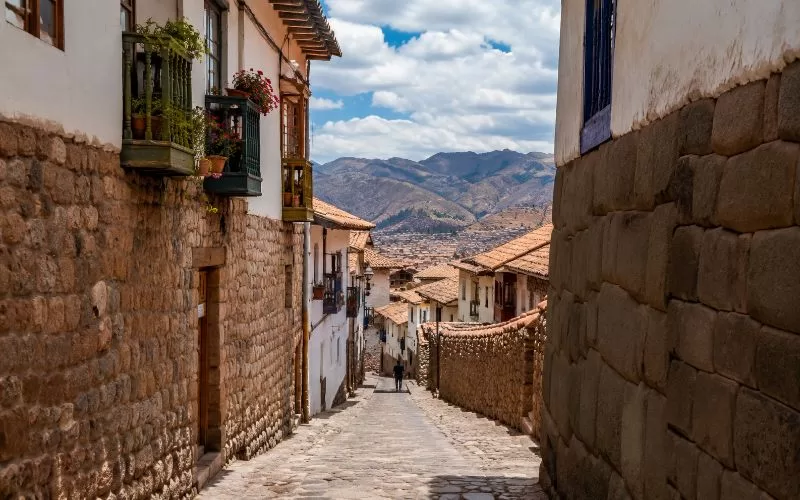
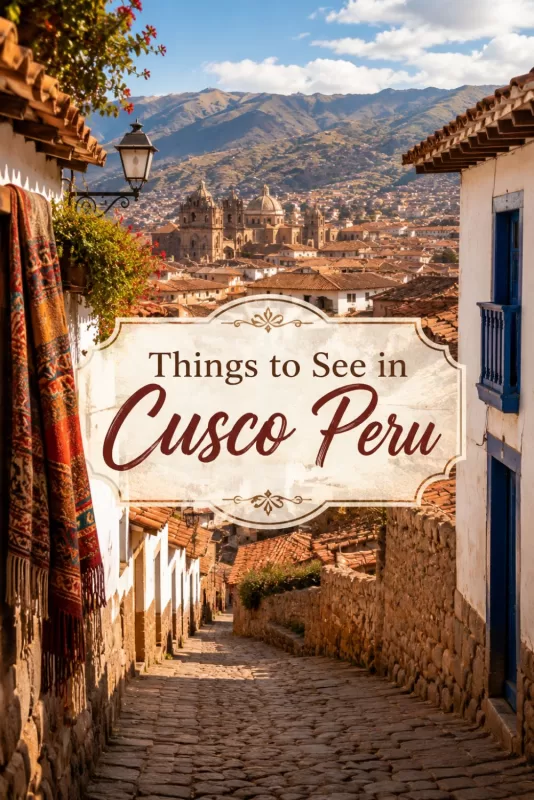
San Blas is one of Cusco’s most charming neighborhoods, known for narrow streets, artisan shops, galleries, cafés, and beautiful views. It has a more relaxed feel than the area directly around Plaza de Armas, making it a lovely place to wander slowly.
The streets can be steep, so this is another area where altitude may affect how quickly you move. Comfortable shoes are important, and it is worth taking your time rather than treating the neighborhood like a checklist. San Blas is best enjoyed with a slower pace, whether you are shopping for handmade pieces, stopping for coffee, or simply taking photos of the stone streets and whitewashed buildings.
This is also a good place to look for souvenirs that feel more personal than mass-produced items. Many travelers enjoy browsing textiles, ceramics, jewelry, and artwork from local makers.
Shop and Eat at San Pedro Market
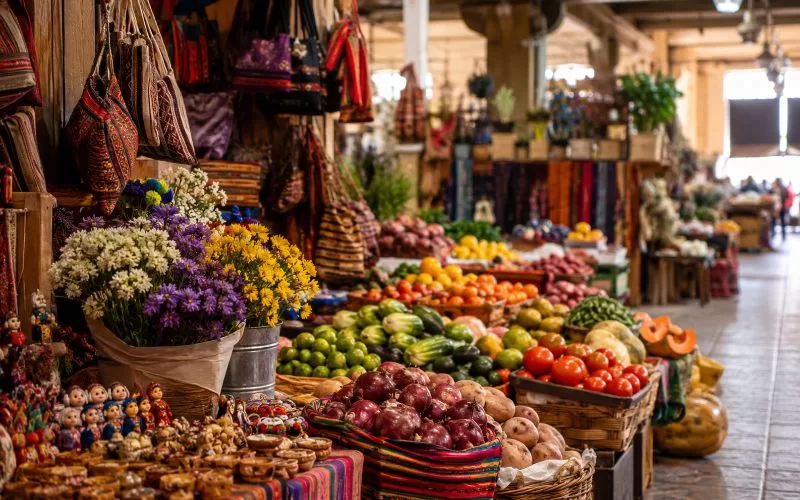
San Pedro Market is one of the best places in Cusco to experience local daily life. The market is filled with fresh produce, juices, breads, flowers, meats, cheeses, textiles, and souvenir stalls. It is colorful, busy, and practical, giving visitors a different view of the city beyond churches and ruins.
This is a good stop for travelers who enjoy food markets or want to pick up small items without spending time in more tourist-heavy shops. You can walk through casually, try a fresh juice, or look for simple souvenirs. As with any busy market, keep your belongings secure and be mindful of where you stop to take photos.
For a family trip, markets like this can make a destination feel more real and memorable. If you enjoy building trips around food, culture, and walkable experiences, you may also like planning a broader family vacation with a mix of structured activities and flexible exploring time.
Visit Cusco’s Museums
Cusco has several museums that can help visitors better understand the city’s history. The Museo Inka is a natural choice for anyone interested in the Inca Empire, while the Museum of Pre-Columbian Art offers a broader look at ancient Andean cultures through ceramics, textiles, and artifacts.
Museums are especially useful if you have a rainy afternoon, need a slower activity, or want more context before visiting archaeological sites. They can also be a good option on your first day in Cusco when you may not want to overdo physical activity.
If you are traveling with children or mixed-age groups, museums can help break up long sightseeing days. Pairing one museum with a market, café, or relaxed walk often makes the day feel more balanced.
Take a Sacred Valley Day Trip
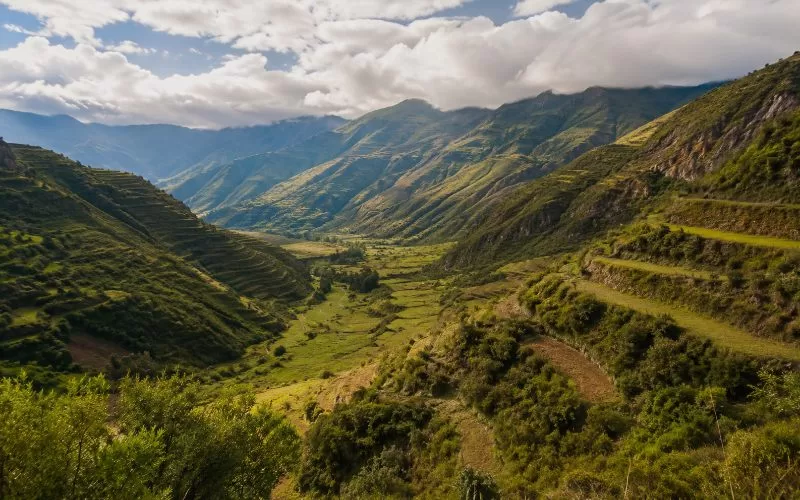
The Sacred Valley is one of the best day trips from Cusco and deserves a place in most itineraries. This region includes beautiful mountain scenery, Inca ruins, traditional villages, markets, and some of the most memorable landscapes near the city. Popular stops include Pisac, Ollantaytambo, Chinchero, Moray, and the Maras Salt Mines.
Pisac is known for its ruins and market, while Ollantaytambo is famous for its fortress-like terraces and preserved Inca street layout. Chinchero is often associated with weaving traditions, and Moray’s circular terraces offer a fascinating look at Inca agricultural experimentation. The Maras Salt Mines add a completely different landscape, with thousands of salt pools set into the mountainside.
A full Sacred Valley day trip can be long, but it is one of the most rewarding ways to see the area outside Cusco. If you have the time, staying overnight in the Sacred Valley can make the experience feel less rushed.
Plan a Visit to Machu Picchu
For many travelers, Cusco is closely tied to Machu Picchu, and for good reason. The ancient citadel is one of Peru’s most famous destinations and often the highlight of a trip through the region. Visiting requires planning, especially because tickets, routes, train schedules, and entry times can affect your experience.
Most visitors travel by train to Aguas Calientes, also known as Machu Picchu Pueblo, and then continue to the entrance by bus. Others choose multi-day treks, including the classic Inca Trail or alternative routes. No matter how you get there, it is best to book early and review current ticket rules before your trip through the official Machu Picchu ticket site.
If Machu Picchu is the main reason for your trip, build your Cusco itinerary around it rather than squeezing it in as an afterthought. Leave room for travel time, possible delays, and recovery after early mornings or long touring days.
Consider Rainbow Mountain or Lake Humantay
Rainbow Mountain and Lake Humantay are two of the most popular adventure day trips from Cusco. Both offer dramatic scenery, but both also require early starts and physical effort. These are not the best choices for your first day in the city because the altitude can make hiking feel much harder than expected.
Rainbow Mountain is known for its colorful mineral layers and sweeping high-altitude views. Lake Humantay offers a beautiful alpine lake surrounded by mountain scenery. Both can be unforgettable, but they are best for travelers who are comfortable with hiking and prepared for thin air, cold weather, and changing conditions.
Before booking either trip, be honest about your fitness, your schedule, and how you are adjusting to the altitude. A slower cultural day may be a better choice if your body is still catching up.
Cusco Travel Tips Before You Go
Cusco is not difficult to enjoy, but a few smart choices can make the trip much smoother. The city’s altitude is one of the biggest things to plan around, especially if you are arriving from sea level. Give yourself time, drink water, eat lighter meals at first, and avoid scheduling your hardest excursion immediately after arrival.
A few helpful travel tips:
- Pack layers because mornings and evenings can be cool.
- Wear comfortable shoes for uneven stone streets.
- Keep small bills for markets, taxis, and tips.
- Book Machu Picchu tickets and train transportation early.
- Plan slower activities for your first day.
- Bring sunscreen, sunglasses, and a refillable water bottle.
- Ask your doctor before traveling if you are concerned about altitude sickness.
It also helps to think through your basic travel essentials before leaving home. Cusco is a city where comfort items like layers, good walking shoes, a day bag, and hydration can make a noticeable difference.
If you are watching your budget, plan ahead for the higher costs first, including flights, trains, guided tours, entrance tickets, and transportation. Cusco can be enjoyed in different travel styles, but many of the most popular experiences require advance planning. A few smart choices can make traveling on a budget feel much more manageable without sacrificing the best parts of the trip.
FAQs About Things to See in Cusco Peru
What are the best things to see in Cusco?
The best things to see in Cusco include Plaza de Armas, Cusco Cathedral, Qorikancha, Sacsayhuamán, San Blas, San Pedro Market, and the nearby archaeological sites of Qenqo, Tambomachay, and Puka Pukara. Many visitors also use Cusco as a base for the Sacred Valley and Machu Picchu.
Is Cusco worth visiting before Machu Picchu?
Yes, Cusco is absolutely worth visiting before Machu Picchu. The city has its own history, architecture, markets, museums, neighborhoods, and ruins. Spending time in Cusco also helps many travelers adjust to the altitude before taking on bigger excursions.
How many days should you spend in Cusco?
Three to four days is a good amount of time for Cusco if you want to see the historic center, nearby ruins, and the Sacred Valley. Add more days if you plan to visit Machu Picchu, Rainbow Mountain, Lake Humantay, or prefer a slower pace.
Can you visit the Sacred Valley from Cusco?
Yes, the Sacred Valley is one of the most popular day trips from Cusco. Many tours include Pisac, Ollantaytambo, Chinchero, Moray, or the Maras Salt Mines. If your schedule allows, spending a night in the Sacred Valley can make the trip feel less rushed.
What should you do on your first day in Cusco?
On your first day in Cusco, keep the itinerary light. Walk around Plaza de Armas, visit nearby streets, enjoy a slow meal, and give your body time to adjust to the altitude. Save strenuous hikes and long excursions for later in the trip.
Save this Cusco travel guide for planning what to see, where to go, and how to make the most of your time in this beautiful Peruvian city.
A Beautiful City Worth Slowing Down For
Cusco is the kind of destination that deserves more than a quick stop before Machu Picchu. Its streets, markets, churches, ruins, and mountain views all add something meaningful to the trip. Whether you are drawn to history, culture, scenery, or day trips into the Sacred Valley, the best way to experience Cusco is to give yourself enough time to notice the details.
With a thoughtful itinerary and a slower first day, Cusco can become one of the most memorable parts of a Peru vacation.