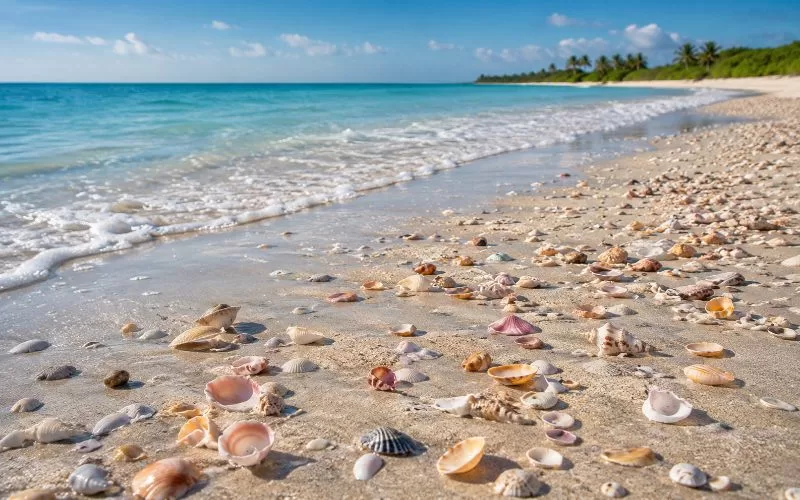
There is something about walking along a Florida beach and spotting a beautiful seashell in the sand that makes the whole day feel a little more memorable. Whether you are hoping to find a few pretty shells, planning a family beach day, or building an entire getaway around shell hunting, Florida has some incredible places to look.
The best beaches for seashells in Florida are not spread evenly across the state. Southwest Florida is especially known for shelling because the Gulf Coast’s calmer waters, barrier islands, and beach shapes help bring shells to shore. Since I live in South Florida, I also like knowing which closer beaches are worth visiting when I want a pretty beach day with a little shell searching mixed in.
This guide focuses mostly on Southwest Florida shelling beaches, with a practical look at Southeast Florida and Palm Beach County too. That way, you can plan a true shelling trip if that is your goal, or simply know where to keep your eyes open the next time you are walking along the coast.
Why Southwest Florida Is So Good for Shelling
Southwest Florida is one of the best areas in the state for finding seashells, especially around Sanibel, Captiva, Marco Island, Naples, and the nearby barrier islands. These beaches sit along the Gulf of Mexico, where the water is usually calmer than the Atlantic side, and shells are less likely to be broken by rough surf.
The Gulf Coast’s barrier islands, currents, and softer wave action all help create better shelling conditions than many Atlantic beaches. That does not mean every beach walk will be covered in perfect shells, but this part of Florida gives shell hunters a much better chance of finding variety, especially around low tide or after windy weather.
Best Beaches for Seashells in Florida
Sanibel Island
Sanibel Island is one of the most well-known shelling destinations in Florida because of its unique east-west shape. Instead of running north to south like many barrier islands, Sanibel curves in a way that helps catch shells as currents bring them toward shore. That is one reason shell lovers often talk about doing the “Sanibel stoop,” the familiar bent-over beach walk that happens when you cannot stop looking down.
Bowman’s Beach is a favorite for visitors who want a more natural beach feel. It takes a short walk from the parking area to reach the sand, but that quieter setting is part of the charm. Lighthouse Beach is another popular option, especially for those who want shelling with easier access to scenery, walking areas, and classic Sanibel views.
Sanibel is also a place where shelling rules matter. The City of Sanibel has clear shelling regulations, and live shelling is not allowed. Empty shells are the ones to collect, while shells with living creatures inside should always be left where they are.
Captiva Island
Captiva Island sits just north of Sanibel and has the same relaxed Gulf Coast feel, with beautiful beaches and strong shelling potential. It is often mentioned alongside Sanibel, but it can feel a little different depending on where you go and when you visit.
Blind Pass, between Sanibel and Captiva, is one of the better-known areas for shell hunters. The currents can bring in interesting finds, though conditions change often. This is not always the calmest beach for swimming, so it is better approached as a place for walking, looking, and enjoying the shoreline rather than expecting a lazy wade in the water.
Captiva is a good choice if you want a shelling trip that still feels like a beach escape. The scenery is beautiful, the pace is slower, and it pairs nicely with a longer Sanibel visit.
Marco Island
Marco Island is another excellent Southwest Florida spot for shelling, especially if you like a beach trip that combines pretty Gulf water, soft sand, and plenty of things to do nearby. Shelling is one of the reasons Marco Island continues to be such a popular Florida beach destination.
Tigertail Beach is one of the best-known shelling beaches on Marco Island. It has a more adventurous feel because reaching the outer beach can involve walking around or through the lagoon area, depending on conditions and comfort level. For people who enjoy exploring, that extra effort can make the beach feel more rewarding.
Keewaydin Island
Keewaydin Island is located between Naples and Marco Island and is often mentioned by serious shelling fans because it has a more remote, natural feel. Since it is only accessible by boat, it can feel less developed than many public beach areas.
That extra effort is part of what makes it appealing. Fewer crowds can mean a better chance of finding shells, especially if you visit at the right tide or after weather has stirred up the Gulf. It is the kind of spot that works best for people who are comfortable planning ahead and arranging boat access rather than just pulling into a beach parking lot.
For a family or casual day trip, Keewaydin may take more preparation. For shell lovers who enjoy the experience as much as the finds, it can be one of the more memorable Florida shelling adventures.
Naples Beaches
Naples has beautiful Gulf beaches and can be a nice place to look for shells, especially early in the morning. The shelling here may not feel quite as famous as Sanibel or Captiva, but the beaches are easy to enjoy and often make sense for visitors staying in the area.
Lowdermilk Park, Naples Beach, and nearby shoreline areas can all be worth a slow walk. The best approach is to go early, look near the tide line, and enjoy the beach without expecting every stretch of sand to be covered in perfect shells.
Naples is also a good option if you want a beach day that feels comfortable and easy. You can shell in the morning, enjoy lunch nearby, and still have a relaxing Gulf Coast day without making the entire trip about what you find in the sand.
Barefoot Beach Preserve
Barefoot Beach Preserve in Naples is another Southwest Florida spot worth considering for shelling. The preserve has a more natural setting, which makes it appealing if you like beaches that feel less commercial.
Shelling can be especially enjoyable here because the beach itself is beautiful for walking. Even when the shelling is not spectacular, the setting still feels worth the trip. That is something I always consider with beach days: the best spots are the ones where the day still feels good even if the shell basket is not overflowing.
Because it is a preserve, it is especially important to respect posted rules, stay mindful of wildlife, and collect only empty shells where allowed.
Fort Myers Beach and Lovers Key
Fort Myers Beach and nearby Lovers Key State Park can also be good additions to a Southwest Florida shelling trip. These areas are close enough to Sanibel and Captiva that they can fit into the same general travel plan, but they offer their own beach personalities.
Lovers Key has a more natural feel and can be a lovely place for walking, wildlife watching, and beachcombing. Fort Myers Beach is busier, but it can still offer shelling opportunities depending on tides, storms, and beach conditions.
When visiting Florida State Parks, remember that live shelling is prohibited. Empty shells are generally the safer and more responsible choice, and it is always smart to check current park rules before collecting.
Venice Beach
Venice Beach is a little different from the other beaches on this list because it is especially known for fossilized shark teeth. You can still find shells in the area, but many visitors go with a sifter, hoping to spot tiny black shark teeth along the shoreline.
If you like beachcombing in general, Venice can be a fun addition to a Florida shelling-style road trip. It gives you a different kind of treasure hunt and works well for families because searching the sand can become part of the beach day.
Venice is not the first place I would choose if the only goal is classic seashell collecting, but it is a great reminder that Florida beaches all have different personalities. Some are best for shells, some are best for shark teeth, and some are simply best for walking and enjoying the view.
Can You Find Good Seashells on Florida’s Southeast Coast?
You can find seashells on Florida’s Southeast Coast, but expectations matter. Beaches in Palm Beach County, Broward, and Miami-Dade are usually not as shell-heavy as Southwest Florida beaches because the Atlantic side tends to have stronger surf, different currents, and more wave action.
That does not mean shelling is a waste of time. It just means the experience is different. Instead of wide shell piles like you might find on parts of the Gulf Coast, Southeast Florida shelling is usually more scattered. You may find small shells, coral pieces, sea glass, or interesting beach finds after rough surf or storms.
For those of us who live in South Florida, that can still be enough. I do not need every beach walk to turn into a serious shelling trip. Sometimes it is just nice to walk along the water, notice what washed up overnight, and enjoy a beach that is close to home. If your beach day takes you farther south, the best places to take pictures in Miami can help you pair the coastline with colorful neighborhoods and scenic stops.
Jupiter Island and Coral Cove Park
Jupiter Island and Coral Cove Park are two of the better Southeast Florida areas for beachcombing. Coral Cove is especially interesting because of its limestone rocks, clear water, and more rugged shoreline feel.
This is not the same type of shelling experience as Sanibel, but it can be a fun place to explore. The beach has more texture and visual interest than many flat stretches of sand, which makes it enjoyable for people who like looking for small natural details.
Since the rocks and surf can be uneven, this is also a beach where water shoes can be useful. It is a pretty place for photos, walking, and a slower South Florida beach day.
Hobe Sound and the Treasure Coast
Hobe Sound and nearby Treasure Coast beaches can also be worth exploring if you are on the east side of Florida. The shelling can vary a lot, but these beaches often have a more natural, less crowded feel than some of the busier South Florida beaches.
After storms or rough surf, you may have better luck finding shells along the wrack line, where seaweed and ocean debris collect. Go early if you can, especially during beach season when more people are out walking.
This area is a good example of why Southeast Florida belongs in the conversation without becoming the main focus. It may not be the strongest shelling region in the state, but it still offers beautiful beaches and worthwhile beachcombing.
Delray Beach and Palm Beach County Beaches
Palm Beach County beaches can be lovely for a beach day, but they are not usually where I would send someone for the best shelling in Florida. That said, you can still find shells here, especially after weather changes, rougher surf, or early morning tides.
Delray Beach, Juno Beach, and other local beaches can make easy shell-searching walks if you are already nearby. The key is to treat shelling as a bonus rather than the whole purpose of the visit.
Local beach access is one of the everyday perks of living in West Palm Beach, even if the strongest shelling beaches are a few hours away on the Gulf Coast.
Best Time to Go Shelling in Florida
The best time to go shelling in Florida is usually around low tide, especially early in the morning before more people have walked the beach. Low tide exposes more sand and gives you a better chance of spotting shells near the waterline.
Shelling can also be better after storms, windy weather, or stronger Gulf movement because those conditions can push new shells onto the beach. Always use common sense, though. It is not worth going out during unsafe weather, rough surf, lightning, or dangerous beach conditions just to look for shells.
Beach season can still be a wonderful time for shelling, but summer in Florida brings heat, humidity, afternoon storms, and stronger sun. I would plan shelling walks early in the day, bring plenty of water, and save the middle of the day for shade, lunch, or a break from the heat.
What to Bring for a Shelling Beach Day
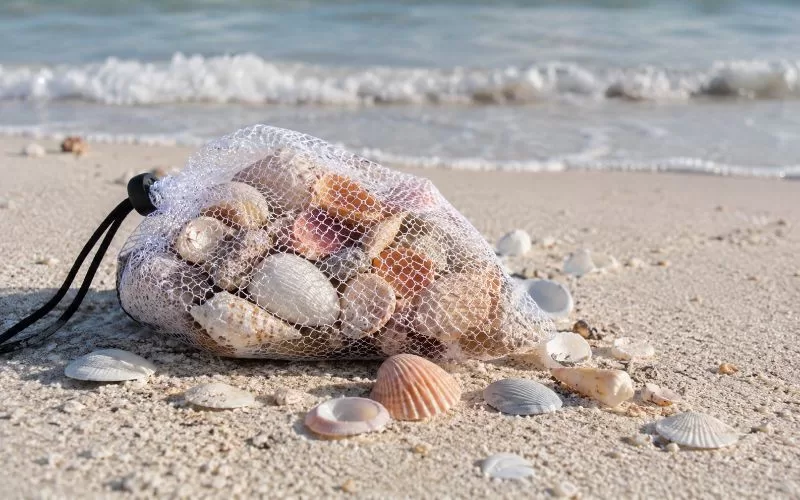
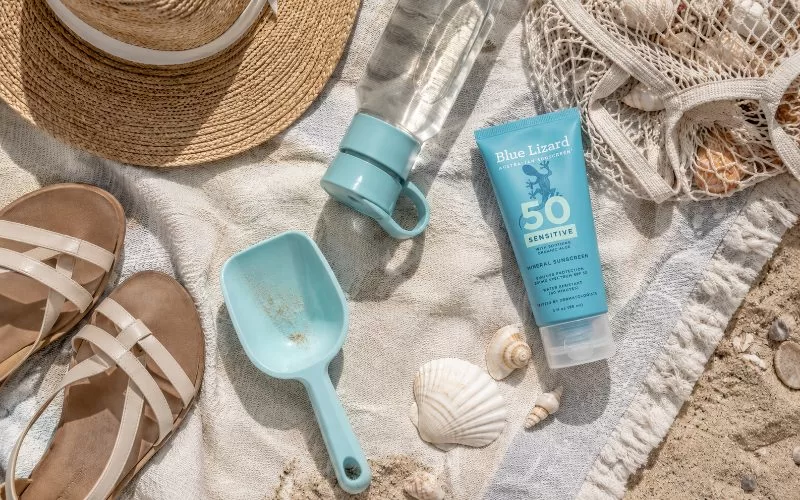
You do not need a lot of gear to enjoy shelling, but a few simple items can make the day easier. A mesh shell bag is helpful because sand can fall through as you walk, and a small scoop or sand sifter can be useful in areas where shells collect near the waterline.
Water shoes are also useful if the beach has rocks, broken shells, or uneven areas. Some shelling beaches are easy barefoot walks, while others can be rough on your feet, especially when crushed shells gather along the shore.
A few helpful shelling items include:
- Mesh shell bag or small bucket
- Water shoes or sturdy sandals
- Sunscreen and a hat
- Refillable water bottle
- Small towel
- Phone or camera for photos
- A simple shell identification guide or app
A shelling trip is still a Florida beach day, so the basics matter too. Shade, sunscreen, water, and the right bag can make a big difference, especially if you are packing for one of those long beach days where your Florida beach day essentials need to handle sun, sand, heat, and whatever you find along the shoreline.
Responsible Shell Collecting in Florida
Responsible shell collecting is one of the most important parts of shelling in Florida. Empty shells are the ones to take home. If a shell has a living creature inside, it should be left alone and returned gently to where you found it.
The Florida Fish and Wildlife Conservation Commission explains that rules can depend on whether a shell contains a living organism, where it is collected, and what type of marine life is involved. Some areas also have stricter local rules, including Lee County and Sanibel.
A good rule of thumb is simple: if it is alive, leave it. That includes live shells, sand dollars, starfish, sea urchins, and other marine life. It is also smart to check local beach rules before collecting, especially in preserves, parks, wildlife refuges, and protected areas.
The VISIT FLORIDA beachcombing guide is another helpful resource if you want a general overview before planning a shelling trip. Rules may not be the most exciting part of beachcombing, but they help protect the natural beauty that makes shelling special in the first place.
Tips for Finding Better Seashells
Shelling takes patience, but that is part of what makes it relaxing. You have to slow down, look carefully, and let the beach surprise you.
Start by walking near the tide line, especially where small piles of shells, seaweed, and ocean debris have collected. These areas may not look picture-perfect at first glance, but they often hold the most interesting finds.
Try not to rush. Some of the prettiest shells are small or partially buried, and you may walk right past them if you are only looking for large, perfect shells. I also like taking photos of shells I do not plan to keep, especially if they are fragile, unusual, or better left on the beach.
For better shelling, try to:
- Go near low tide
- Arrive early in the morning
- Look after windy weather or storms
- Walk slowly near the tide line
- Check shell piles carefully
- Bring a mesh bag for empty shells
- Leave live shells and marine life behind
Shelling is one of those beach activities where the experience matters as much as the collection. Even a few pretty shells can feel special when they come from a quiet morning walk along the water.
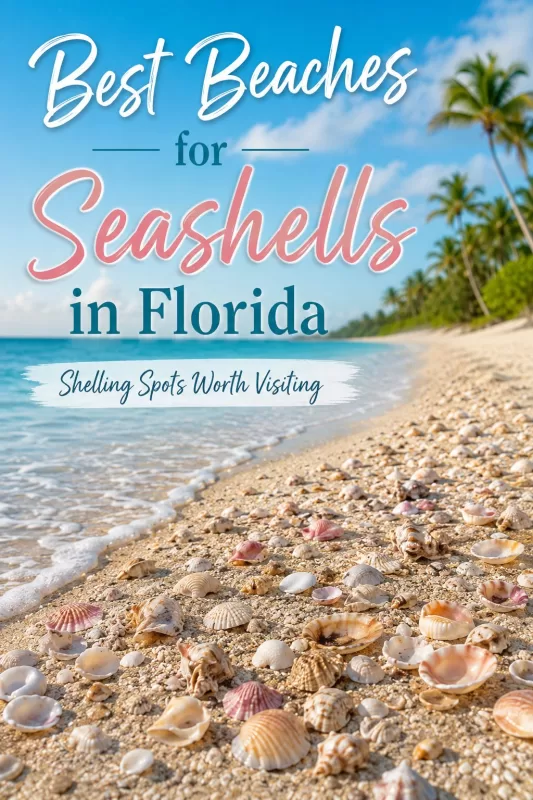
Planning a Florida beach trip? These shelling spots are worth adding to your list if you love searching for pretty seashells along the shore.
Is a Florida Shelling Trip Worth Planning?
A Florida shelling trip is absolutely worth planning if you choose the right area and set realistic expectations. For the best chance of finding a wider variety of seashells, Southwest Florida is the strongest choice. Sanibel, Captiva, Marco Island, Naples, and nearby beaches offer the kind of shelling experience many people picture when they think of Florida seashell hunting.
Southeast Florida can still be fun for casual beachcombing, especially if you live nearby or are already visiting Palm Beach County, Jupiter, Hobe Sound, Delray, or Miami. Just think of the shells as a bonus rather than the main event.
That is one of the things I love about Florida. A beach day can be whatever you need it to be. Sometimes it is a full shelling trip on the Gulf Coast, and sometimes it is a simple South Florida walk where you come home with sandy feet, a few small shells, and a little more sunshine in your day.