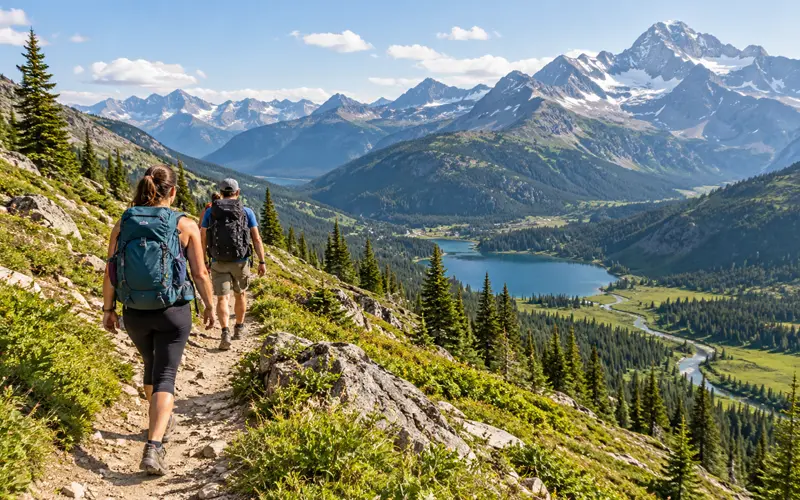
A certain kind of vacation can be especially refreshing and energizing. You might come back from your trip feeling inspired and ready to tackle whatever challenges life has in store.
In most cases, these trips provide an opportunity to stay active and burn calories. But at the same time, they’re also rich in beauty, natural wonder, and experiences that truly qualify as awe-inspiring.
Getting the most from this form of travel, in many cases, requires that we do a little bit of planning in advance. So, what might this planning look like in practice?
The Rise of Active Travel
Perhaps in response to our increasingly sedentary working lives, many people are inclined to get outdoors and get active whenever the opportunity presents itself. Staying active while traveling means that you won’t need to abandon the fitness habits you’ve developed at home. What’s more, you might enjoy entirely new kinds of challenges, which you might take up after the trip is over.
We should also mention that physical activity alters your perception. If you’ve hiked to the top of a hill, you might enjoy the view that little bit more than if you’d simply driven there.
Exploring Destinations Through Movement
When you’re traveling around in a vehicle, you’ll naturally be somewhat insulated from the world around you. It’s partly for this reason that hiking-focused, backpacking adventures tend to allow for a more authentic experience, and one that’s oriented toward local cultures and communities.
Some parts of the world are naturally built with these kinds of travel in mind. You might think of a mountainous region where remote villages are connected by winding trails. Some European countries, like France, offer a mature and well-maintained network of cycling routes, too.
Active travel can also encourage you to slow down and notice details you might otherwise miss. Walking or cycling through a destination gives you more opportunities to stop along the way, enjoy the scenery, and experience places that aren’t always accessible from a highway or tour bus.
Planning Your Active Vacation
Enjoying an active vacation means picking a destination that’s suited for your level of fitness. If you challenge yourself too much, then you might end up exhausted and discouraged.
At the same time, you’ll need to ensure that you’ve brought along the right combination of supplies and that you’ve got the right guidance beside you. A list of practical travel essentials can help you prepare for the basics before leaving home. Hiking tours are often much more enjoyable when they’re at least partly directed by people who understand the area and what it has to offer.
Packing for an Active Vacation
Packing for an active trip is a little different from preparing for a vacation centered around sightseeing or relaxing at a resort. What you bring needs to support the activities you’re planning as well as the conditions you may encounter along the way.
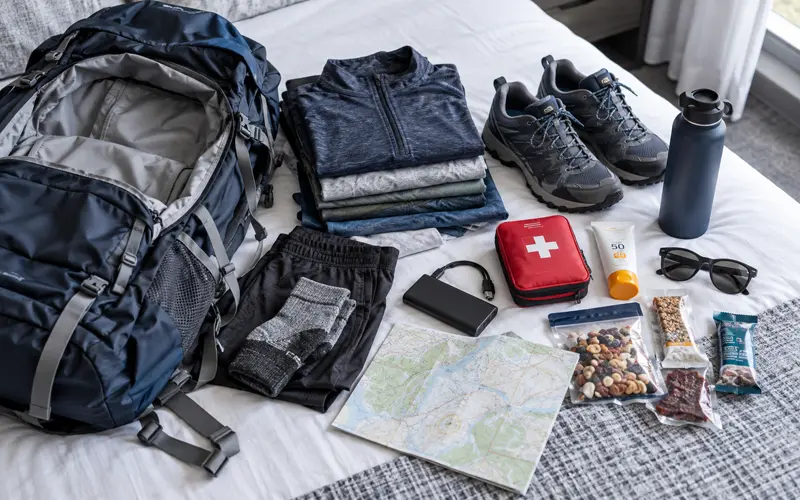
Comfortable footwear should be one of the first considerations, especially if you expect to spend several hours walking or hiking each day. Lightweight layers can make it easier to adjust to changing temperatures, while sun protection and a reusable water bottle are useful for many outdoor destinations.
Depending on the trip, your packing list might also include:
- A lightweight daypack
- Weather-appropriate clothing
- Sunscreen and sunglasses
- A basic first-aid kit
- Portable phone charger
- Water and easy-to-carry snacks
For longer days on the trail, choosing hiking snacks that are easy to carry can help you stay fueled without adding much weight to your pack. Thinking through these details before you leave makes it easier to concentrate on the experience once you arrive.
Finding the Right Balance Between Activity and Downtime
An active vacation doesn’t mean every minute of every day needs to involve strenuous exercise. In fact, building some downtime into the itinerary can make the more active parts of the trip more enjoyable.
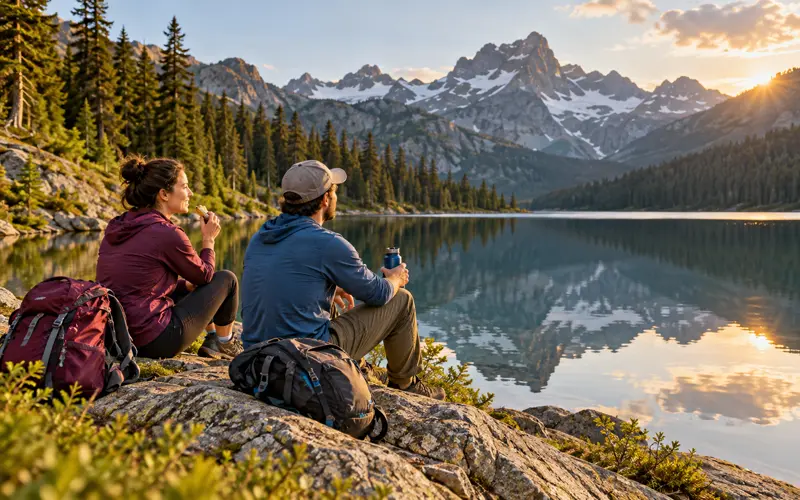
A demanding hike one day might be followed by a slower afternoon exploring a town, enjoying a long meal, visiting a local attraction, or simply relaxing somewhere scenic. Rest can be particularly important on longer trips, when several physically demanding days in a row may begin to take some of the fun out of the experience.
Leaving a little flexibility in the schedule can help, too. Weather changes, unexpected soreness, or discovering somewhere you’d like to spend more time are all good reasons not to plan every hour too tightly.
Making Memories Through Active Exploration
Activity-based vacations are at their most memorable when they’re distinctive. While there’s a great deal to be said for sticking to a winning formula, it’s also worth mixing things up a little in pursuit of novelty.
You’ll also want to ensure that you have a means of documenting your travels. Journaling and a good camera might make it easier to look back on your experience later on.
Whether you’re hiking through the mountains, cycling through the countryside, or simply spending more of your vacation on foot, active travel can offer a different perspective on a destination. With the right amount of planning, it’s possible to combine fitness, exploration, and relaxation without making the trip feel like another workout.