

For many pet owners, dog safety is less about relying on one product and more about having reliable safeguards in place before something goes wrong. The benefits of dog GPS collars are great for pets who spend time outdoors, especially when they are used alongside basic safety steps like secure fencing, updated ID tags, and microchipping.
A GPS collar is not a replacement for supervision, training, or common-sense precautions. It is an added layer of protection that can help pet owners respond more quickly if a dog wanders, gets loose, or becomes separated in an unfamiliar area. For families who travel with pets, visit parks, hike, camp, or have dogs who spend time in the yard, GPS tracking can offer extra peace of mind.
What Dog GPS Collars Do
Dog GPS collars are designed to help pet owners locate their dog through a connected app or tracking system. Depending on the device, the tracker may attach to an existing collar or come built into a collar of its own. Many use GPS and cellular service to show a dog’s location on a map, which can be helpful if a dog leaves the yard or gets away during an outing.
This kind of tracking can be useful in both everyday and unfamiliar settings. In a neighborhood, it may help you see which direction your dog traveled. In a park, campground, or rural area, it can give you a clearer place to begin searching. Knowing how to track your dog before there is an emergency can make a stressful situation easier to manage.
Key Benefits of Dog GPS Collars for Active Dogs
Active dogs often have more opportunities to explore, which can also create more chances for them to wander. A dog may become distracted by wildlife, unfamiliar sounds, open space, or a new environment. Even a well-trained dog can become startled or disoriented in the wrong situation.
One of the biggest benefits of dog GPS collars is the ability to check a dog’s location quickly instead of relying only on calling, walking the neighborhood, or waiting for someone else to spot them. For dogs who join the family on road trips, weekend getaways, or outdoor adventures, GPS tracking can be one more item to pack.
Geofencing and Safety Alerts
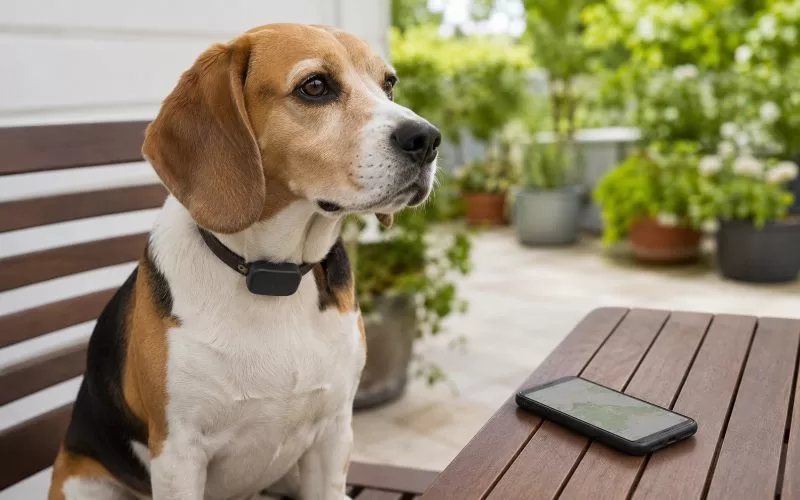
One of the most useful features on many dog GPS collars is geofencing. A geofence is a virtual boundary that you set through the tracker’s app. That boundary might be around your home, backyard, campsite, or another area where your dog is expected to stay.
When a dog crosses that boundary, the app can send an alert. This can be especially helpful for pet owners with large yards, imperfect fencing, frequent gate use, or dogs who tend to explore. Geofencing does not replace a physical fence or careful supervision, but it can provide an additional warning if something changes.
GPS Collars and Microchips Serve Different Purposes
A GPS collar and a microchip are not the same thing. A GPS collar can help locate a dog in real time if the device is charged, attached, and connected. A microchip does not track a dog’s location, but it provides permanent identification if the dog is found and scanned by a veterinarian, shelter, or rescue.
For that reason, the strongest safety plan usually includes more than one form of protection. A collar with an updated ID tag can help someone contact you quickly. A registered microchip provides backup if the collar comes off. A GPS tracker may help you find your dog before they get too far away.
The key is keeping each piece up to date. Make sure your dog’s ID tag has the correct phone number, your microchip registration is current, and any GPS device is charged and attached securely. The American Kennel Club explains that microchips and GPS devices work in different ways, which is a helpful reminder that layered protection is often the best approach.
Features to Consider Before Choosing a Dog GPS Collar
Not every GPS tracker offers the same features, so it is worth comparing options before choosing one. The right device should fit your dog’s size, habits, and the way you plan to use it.
Features to look for may include:
- Battery life, since a tracker is only helpful if it is charged when needed
- Comfort and fit, especially if your dog will wear it often
- Water resistance for dogs who swim, spend time near sprinklers, or are outside in wet weather
- Real-time tracking, which can be helpful if a dog is moving quickly
- Geofence alerts that notify you if your dog leaves a set area
- Monthly service costs, since some GPS collars require a subscription
The app, coverage area, subscription, and battery life all affect how useful the device will be in everyday life.
When a GPS Collar May Not Be Necessary
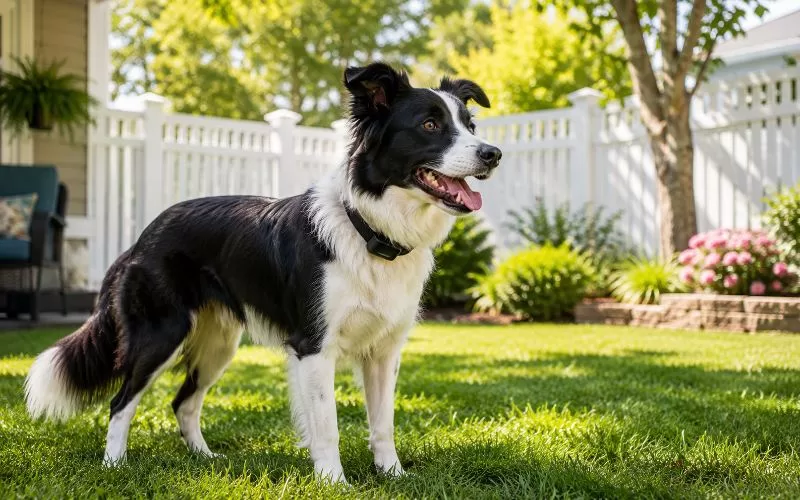
Dog GPS collars can be helpful, but they are not necessary for every dog. A dog who is always leashed outdoors, rarely travels, and spends most of their time inside may not need the extra technology. For some families, an updated ID tag, microchip, secure leash, and safe home setup may be enough.
A GPS collar may make more sense for dogs who are escape artists, spend time in large yards, travel often, or join their owners for outdoor activities. It may also be worth considering for dogs with a high prey drive or pets who have gotten loose before. The right choice depends on the dog’s habits, the home environment, and how much added peace of mind the tracker would provide.
There are also lower-tech safety items that remain important. Reflective harnesses, updated tags, secure leashes, and practical personalized pet accessories can all support everyday pet safety in simple ways.
Everyday Safety Still Matters Most
Technology can be useful, but it should work alongside practical everyday habits. A GPS collar can make it easier to respond quickly, but it cannot prevent every situation.
Pet owners should still focus on simple safety steps, such as:
- Keeping gates latched
- Checking fences for weak areas
- Using a secure leash in unfamiliar places
- Making sure collars and harnesses fit properly
- Paying attention to surroundings during walks, trips, and outdoor activities
Dogs can still become startled, distracted, or tempted to run, especially in new surroundings. The goal is not to depend on one device, but to create a safer routine overall. When technology is paired with secure habits and a little extra awareness, pet owners are in a better position to act quickly if something unexpected happens.
A Practical Extra Layer of Peace of Mind
Dog GPS collars are not something every pet owner needs, but they can be a practical safety tool for the right dog and lifestyle. For active dogs, outdoor-loving pets, frequent travelers, or dogs who are quick to explore, real-time tracking and geofence alerts can add another layer of protection.
The benefits of dog GPS collars are strongest when they are part of a broader pet safety plan. A secure collar, updated ID tag, registered microchip, careful supervision, and a charged GPS tracker can all work together. When each layer supports the next, pet owners have a better chance of acting quickly if their dog wanders too far from home.f Mind
Dog GPS collars are not something every pet owner needs, but they can be a practical safety tool for the right dog and lifestyle. For active dogs, outdoor-loving pets, frequent travelers, or dogs who are quick to explore, real-time tracking and geofencing can add another layer of protection.
The benefits of dog GPS collars are strongest when they are used as part of a bigger pet safety plan. A secure collar, updated ID tag, registered microchip, good supervision, and a charged GPS tracker can all work together. When each layer supports the next, pet owners have a better chance of acting quickly if their dog wanders too far from home.