
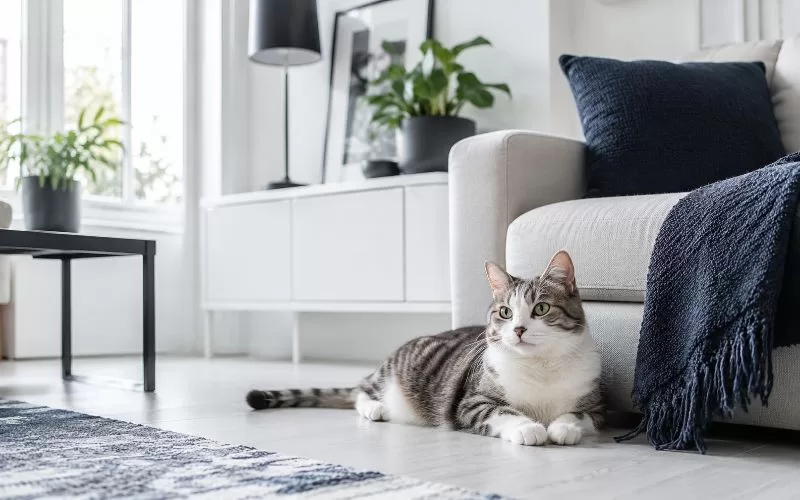
Owning a cat can bring a quiet kind of joy to your home, but it also comes with responsibilities that are easy to underestimate. Cats may be independent, but they still need structure, clean spaces, good nutrition, regular veterinary care, and a home that allows them to feel safe, curious, and comfortable. Whether you are bringing home a kitten, adopting an adult cat, or simply trying to better understand the cat already ruling your household, a little preparation goes a long way toward creating a happier life for both of you.
Things to Know About Owning a Cat
One of the first things to understand about owning a cat is that every cat has its own personality. Some are social and affectionate right away, while others need time to warm up. Some love being held, some prefer to sit nearby, and some show affection in smaller ways, such as following you from room to room or sleeping close to you.
Cats also need more than food and a litter box. They need places to scratch, quiet areas to rest, regular interaction, mental stimulation, and a daily rhythm they can trust. Even a simple cat-friendly home routine can help your cat feel more secure because cats often respond well to consistency.
Before bringing a cat home, it helps to think through the everyday pieces of care rather than only the fun parts. A cat may be lower maintenance than some pets, but that does not mean no maintenance.
| Cat Care Area | What to Think About |
|---|---|
| Food and water | Choose a complete cat food and keep fresh water available daily |
| Litter box | Place it somewhere quiet, accessible, and easy to clean |
| Vet care | Plan for routine visits, vaccines, and unexpected concerns |
| Scratching | Provide appropriate surfaces before your furniture becomes the favorite |
| Resting spots | Offer cozy, calm spaces where your cat can relax undisturbed |
| Enrichment | Use toys, climbing spots, windows, and playtime to keep your cat engaged |
What Cats Need Every Day
Daily cat care does not have to be difficult, but it does need to be consistent. Cats depend on the basics being available and predictable: food, water, a clean litter box, safe places to rest, and some form of attention or enrichment.
Most cats also appreciate routine. Feeding around the same times, keeping the litter box in the same location, and maintaining familiar resting spots can all help a cat feel settled. This is especially important when a cat is new to your home, recovering from a stressful experience, or adjusting after a change in the household.
A simple daily rhythm might include:
- Fresh food and water
- Scooping the litter box
- A few minutes of play
- Checking appetite, energy, and litter box habits
- Quiet time or affection on your cat’s terms
- A safe sleep space for naps and nighttime
If your schedule is busy, tools like an automatic pet feeder can help keep feeding times consistent, but they should not replace checking in on your cat’s appetite and overall behavior.
Setting Up Your Home for a Cat
A good cat setup starts with thinking like a cat. Cats like to observe, retreat, stretch, scratch, climb, and sleep in places where they feel protected. They do not need an elaborate setup, but they do need a home that gives them options.
Start with one quiet area where your cat can settle in. This is especially helpful for a new cat because the entire house may feel like too much at once. A smaller space with food, water, a litter box placed away from the food, a cozy bed, and a scratching surface can help your cat adjust at their own pace.
As your cat becomes more comfortable, you can open up more of the home. A truly pet-friendly home should make room for safety and comfort, not just cute pet accessories.
A few helpful setup ideas include:
- Place food and water away from the litter box.
- Keep cords, small objects, and unsafe plants out of reach.
- Offer vertical space, such as a cat tree or perch.
- Provide scratching posts or pads in areas your cat naturally uses.
- Create at least one quiet retreat where your cat can hide or sleep.
- Keep the carrier accessible enough that it does not only appear before vet visits.

Food, Water, and Litter Box Basics
Feeding your cat well starts with choosing food made specifically for cats. Cats have unique nutritional needs, and they should not be treated like small dogs when it comes to food. A balanced cat diet should support their age, weight, activity level, and health needs.
If you are unsure where to start, learning more about what cats need in their diet can make food choices feel less confusing. Your veterinarian can also help if your cat has digestive issues, weight changes, urinary concerns, allergies, or special health needs.
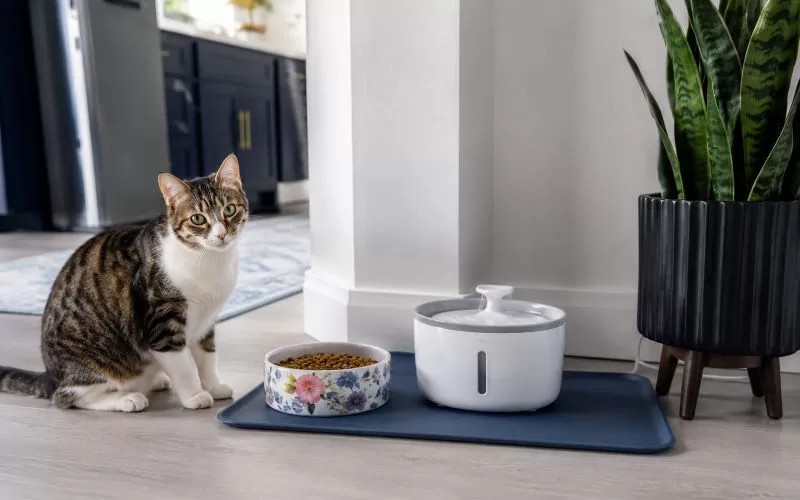
Fresh water matters too. Some cats drink from a bowl without issue, while others prefer a fountain or multiple water stations. If your cat suddenly drinks much more or much less than usual, that is worth paying attention to.
The litter box is another major part of owning a cat. According to the ASPCA’s general cat care guidance, indoor cats need a litter box in a quiet, accessible location, and a clean box is important because many cats will avoid a box that smells or feels dirty.
A practical litter box routine looks like this:
- Scoop daily.
- Keep the box in a calm, easy-to-reach location.
- Avoid placing it right beside food and water.
- Use unscented cleaning products when possible.
- Add extra boxes if you have multiple cats or a multi-level home.
- Pay attention to accidents, straining, or sudden changes.
Litter box problems are not always behavior problems. The Cornell Feline Health Center notes that medical issues can affect a cat’s normal urination or defecation habits, so changes in litter box behavior should not be ignored.
Keeping Your Cat Healthy and Comfortable
Owning a cat also means building a relationship with a veterinarian before an emergency arises. Routine care helps keep your cat healthier, and it gives you someone to call when something feels off. The American Veterinary Medical Association includes veterinary care, proper food, water, shelter, and companionship as part of responsible pet ownership. That sounds basic, but it is the foundation of good cat care.
Cats can be subtle when they do not feel well. A dog may make it obvious, but a cat may simply hide more, eat less, stop grooming, sleep in a different place, or avoid the litter box. Knowing the signs that a pet needs the vet can help you catch problems sooner.
Watch for changes such as:
- Loss of appetite
- Increased thirst
- Vomiting or diarrhea
- Sudden hiding
- Weight loss or weight gain
- Changes in litter box habits
- Limping or difficulty jumping
- Matted coat or poor grooming
- Unusual vocalizing
- Low energy or behavior that feels unlike your cat
Understanding Cat Behavior and Enrichment
Cats do many things that can seem odd until you understand the reason behind them. Scratching, hiding, climbing, kneading, zooming through the house, sitting in boxes, or staring out the window are all part of normal cat behavior.
Scratching is one of the biggest areas where cat owners can get frustrated. The Cornell Feline Health Center explains that scratching is normal marking behavior, and many cats can be taught to use scratching posts when they are given the right type of surface and location.
That means the goal is not to stop scratching completely. The goal is to redirect it. If your cat scratches the side of a couch, a vertical post nearby may help. If your cat scratches rugs, a horizontal scratcher may be more appealing.
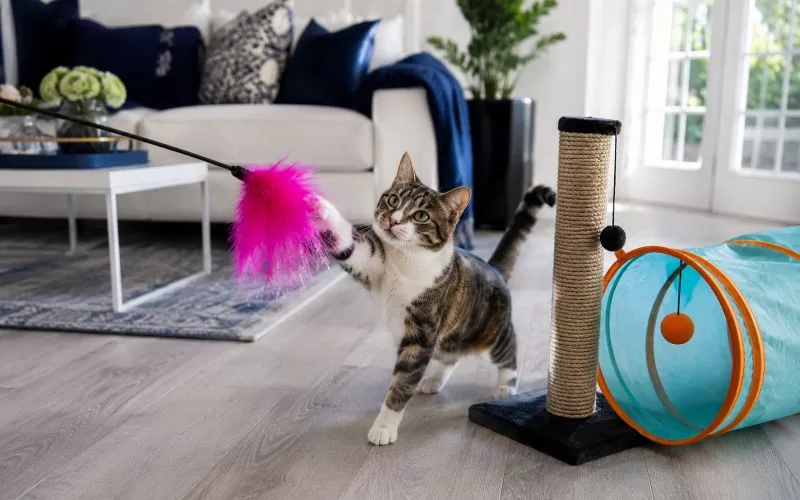
Indoor cats also need things to do. A cozy window spot, a wand toy, a puzzle feeder, a tunnel, or a perch can make a big difference in their day. My cat loves having a sunny place to lounge, and a cozy indoor cat perch can give a cat a comfortable place to watch the world without needing much space.
Common Mistakes Cat Owners Make
Even loving cat owners can make mistakes, especially because cats are often misunderstood as being completely self-sufficient.
Common mistakes include:
- Assuming a cat does not need attention
- Waiting too long to schedule vet care
- Placing the litter box somewhere noisy or hard to reach
- Not scooping the litter box often enough
- Buying one scratcher and assuming it will work for every cat
- Changing food too quickly
- Ignoring changes in appetite, thirst, or litter box habits
- Using strong scents around litter boxes or sleeping areas
- Not giving the cat safe spaces to retreat
- Expecting a new cat to adjust immediately
The best approach is to stay observant. Cats often communicate through patterns. Once you know your cat’s normal routine, it becomes easier to notice when something changes.
How to Help a New Cat Settle In
Bringing a cat home should feel calm, not rushed. Give your cat time to explore slowly and do not force affection. Some cats are ready to investigate right away, while others may hide for hours or even days. That does not mean anything is wrong. It often means they are processing a new environment.
Start with one room if possible. Let your cat learn the smells, sounds, and routine of your home before giving them full access. Sit nearby, speak softly, and let them approach you when they are ready.
A few settling-in tips:
- Keep the first few days quiet.
- Avoid introducing too many people at once.
- Show your cat where the litter box is.
- Keep food and water easy to find.
- Let your cat hide if they need to.
- Use play as a gentle way to build trust.
- Be patient with personality differences.
Some cats bond quickly. Others take time. The important thing is creating a home where your cat feels safe enough to relax.
What Do You Need Before Getting a Cat?
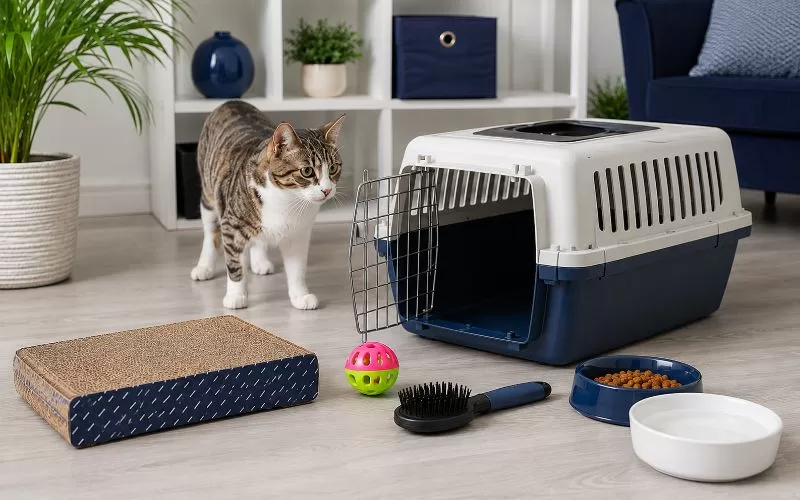
Before getting a cat, you should have the basics ready:
- Cat food
- Food and water bowls
- Litter box
- Cat litter
- Scoop
- Scratching post or pad
- Cat carrier
- Bed or cozy resting area
- Toys
- Grooming brush
- Vet contact information
You do not have to buy every cat product at once. Start with the essentials, then adjust as you learn what your cat actually likes.
How Much Attention Does a Cat Need?
Cats do not usually need constant attention, but they do need daily interaction. That might mean playtime, brushing, sitting together, talking to them, or simply being part of the household rhythm.
Some cats are lap cats. Others show affection by staying nearby. The key is to meet your cat where they are instead of expecting them to act like a different pet.
Where Should a Cat Sleep?
A cat should sleep somewhere safe, comfortable, and calm. That might be a cat bed, a perch, a blanket on the couch, or your bed if you allow it. Many cats rotate between several favorite sleeping spots throughout the day.
The best sleeping spot is one your cat chooses and uses comfortably. If you want to encourage a certain area, make it soft, quiet, and away from household traffic.
Creating a Happy Home With Your Cat
Owning a cat is less about perfection and more about paying attention. A happy cat needs food that supports their health, clean water, a fresh litter box, safe spaces, scratching options, enrichment, and a person who notices when something changes.
When those pieces are in place, cat ownership becomes much more than daily maintenance. It becomes a quiet rhythm in your home, built through trust, comfort, and the small routines your cat comes to count on.