

A 10-minute walk after dinner is an easy way to add meaningful movement to the day without setting aside time for another formal workout. That brief stretch of activity can break up an otherwise sedentary evening, support a healthier post-meal blood sugar response, and provide a quiet transition between dinner and the rest of the night.
Its value lies less in the length of the walk than in how easily it can become part of a regular routine. A short evening walk is manageable on busy days, simple to repeat, and more likely to become a lasting habit than an ambitious plan that is difficult to maintain.
Why Walking After Dinner Is Worth the Effort
After dinner, the easiest choice is often to settle onto the couch, especially after a day spent working at a desk, driving, or moving very little. A short walk offers a simple way to interrupt that pattern and add a little more activity before the evening winds down.
Walking soon after a meal gives the body an opportunity to use some of the glucose circulating in the bloodstream. A systematic review of post-meal exercise found that walking had a greater immediate effect on post-meal blood sugar when it began shortly after eating rather than before the meal or following a longer delay.
An evening walk is also easier to maintain than a separate workout because it fits naturally into an existing routine. Instead of rearranging the day to make room for more exercise, the walk becomes a brief extension of dinner and a practical way to stay consistent.
Benefits of a 10-Minute Walk After Dinner
A short walk after dinner can support several aspects of a healthy routine, from post-meal blood sugar control to adding more movement after a sedentary day. The benefits are modest, but they can become meaningful when the habit is repeated consistently.
Supports a Healthier Post-Meal Blood Sugar Response
Muscles use glucose for energy during movement, which may help moderate the rise in blood sugar that follows a meal. Walking is only one part of a broader approach that may also include balanced meals, regular exercise, medication, and other strategies for managing blood sugar. Supplements should always be discussed with a healthcare professional and should never replace prescribed treatment.
May Encourage More Comfortable Digestion
Gentle movement after dinner may feel more comfortable than sitting or lying down immediately after a large meal. A relaxed pace is usually best, particularly for anyone prone to reflux, nausea, cramping, or feeling overly full.
Breaks Up a Sedentary Evening
Ten minutes of walking replaces time that might otherwise be spent sitting, which can be especially worthwhile after a workday spent at a desk or behind the wheel. According to the CDC’s physical activity guidance for adults, activity can be divided into smaller periods throughout the week, and even modest amounts of movement offer benefits.
Short periods of movement also contribute to weekly activity goals. They may not replace longer workouts, but they still offer a practical way to become less sedentary.
Creates a Calmer Transition Into the Evening
An evening walk provides a brief pause between the demands of the day and the quieter hours that follow. Time outdoors, gentle movement, and a temporary break from screens can complement other simple mental health habits that make evenings feel less rushed.
Makes Consistency Easier
A brief walk is often easier to maintain than a longer or more complicated routine. Because it requires little planning, it can become one of the small steps toward a healthier lifestyle that continues even during busy weeks.

Is a 10-Minute Walk Long Enough?
Ten minutes is enough time to interrupt an otherwise sedentary evening and begin establishing a consistent routine. A small 2025 study published in Scientific Reports found that walking for 10 minutes immediately after consuming a glucose drink resulted in lower average and peak glucose levels than remaining seated. Because the study included only 12 healthy young adults and used a glucose drink rather than a typical meal, the findings should not be applied too broadly. Even so, they add to the evidence that brief movement soon after eating may be beneficial.
A short evening walk can also contribute toward broader activity goals. The CDC recommends that adults work toward at least 150 minutes of moderate-intensity aerobic activity each week, along with muscle-strengthening activity on two days. Those minutes can be divided throughout the week rather than completed in long exercise sessions.
Walking for 10 minutes after dinner five nights a week adds 50 minutes of activity without requiring another formal workout. On evenings when there is more time and the walk feels comfortable, it can gradually increase to 15, 20, or 30 minutes.
When Should You Walk After Dinner?
Research suggests that beginning a walk relatively soon after eating may offer the greatest benefit for moderating the post-meal rise in blood sugar. That does not mean you need to rush away from the table as soon as the last bite is finished.
A practical approach is to start once you feel comfortable, which may be within 10 to 30 minutes for many people. A smaller meal may make an immediate walk feel fine, while a heavier dinner may require a little more time.
Pay attention to how your body responds. If walking immediately after eating causes nausea, reflux, stomach pain, or cramping, wait longer or choose a slower pace. The most effective routine is one that you can complete comfortably and consistently.
How Fast Should You Walk?
An after-dinner walk does not need to become an intense cardio session. Begin at a comfortable pace and walk more briskly once the meal has settled. The CDC’s talk test offers a simple way to judge intensity: during moderate activity, you should be able to talk but not sing. If speaking more than a few words requires pausing for breath, the pace has moved into vigorous activity and may be unnecessarily demanding immediately after dinner
| Walking pace | How it should feel | When it may work best |
|---|---|---|
| Easy | You can speak comfortably in full sentences | Immediately after a heavier meal or when beginning a walking routine |
| Moderate | Your breathing is faster, but you can still talk | When you want the walk to contribute more toward weekly activity goals |
| Vigorous | You can say only a few words without pausing | Usually unnecessary for a short after-dinner walk |
The CDC’s simple “talk test” defines moderate activity as a pace where you can talk but not sing. If you cannot speak more than a few words without stopping for breath, you have moved into vigorous activity and may want to slow down after a meal.
Simple Ways to Make It a Habit
Consistency becomes easier when the walk is connected to an existing part of your evening rather than treated as one more task to remember. The same realistic approach that helps you stay motivated with a fitness routine can make an after-dinner walk easier to maintain.
A few simple options include:
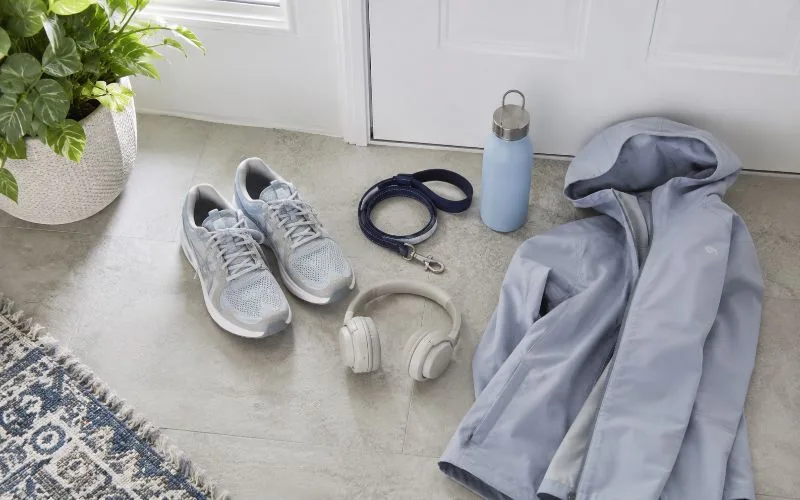
- Walk the dog instead of taking a quick trip into the yard.
- Choose one familiar neighborhood route so you do not have to plan each evening.
- Invite your spouse, a family member, or a neighbor.
- Walk through a store, shopping center, or indoor space when the weather is uncomfortable.
- Listen to music, an audiobook, or a favorite podcast.
- Keep comfortable walking shoes near the door.
- Begin with three evenings a week before trying to walk every night.
It also helps to have a shorter backup plan. On a busy evening, five minutes around the block still keeps the habit connected to dinner. Missing the occasional night does not undo the routine; simply return to it the next day.
When to Use Extra Caution
Most people can begin with a gentle walk, but certain medications and health conditions require additional planning. The National Institute of Diabetes and Digestive and Kidney Diseases notes that physical activity can lower blood glucose during exercise and for hours afterward. People who take insulin or certain diabetes medications may need to monitor their glucose, adjust the timing of meals or medication with professional guidance, and carry a fast-acting source of carbohydrates.
Talk with a qualified healthcare professional before beginning or changing an exercise routine when you:
- Take insulin or medication that may cause low blood sugar
- Frequently experience dizziness, weakness, or shakiness after meals
- Are recovering from surgery, illness, or an injury
- Have balance concerns or significant joint pain
- Experience ongoing nausea, reflux, or abdominal pain after eating
- Have been advised to limit activity because of a heart or lung condition
Stop walking and seek appropriate medical care if you experience chest pain, faintness, unusual shortness of breath, or symptoms that feel severe or unfamiliar.
A Small Habit That Adds Up
A 10-minute walk after dinner is not a replacement for strength training, longer cardiovascular exercise, balanced nutrition, or medical care. It is simply a realistic way to add movement at a point in the day when many people would otherwise remain seated.
Start with a comfortable pace several evenings a week and allow the routine to grow naturally. Some nights may turn into a longer walk, while others may remain a quick trip around the block. The benefit comes from creating a habit that fits into real life and is easy enough to continue.