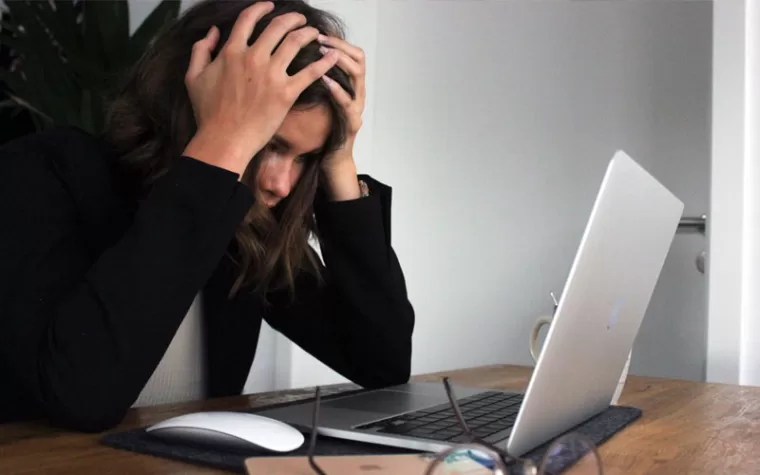
From tight deadlines and never-ending demands, stress has unfortunately become an unwelcome part and parcel of today’s fast-paced work life. While some stress is common and can even be a motivating factor, too much and prolonged stress can lead to burnout as well as other physical and mental challenges. However, this is not the way it needs to be. By incorporating healthy daily habits into your life, you can manage and reduce the impact stress has on your life, and by extension, even reduce the risks of burnout.
What’s the Difference Between Stress and Burnout?
Stress and burnout are often used interchangeably, and it is easy to see why. While they are closely connected, they are not the same. Understanding the difference between the two is key to recognizing when everyday stress begins turning into burnout.
Stress is your body’s reaction to a certain stressor – it can be a challenge or a demand. Your body goes into a fight or flight mode, where you feel a rush of energy as you prepare to rise to this challenge or demand. While this kind of stress can give you a push, when it becomes ongoing and unmanageable, it can begin to wear you down – depleting you of your physical and mental resources.
Burnout is what comes after a prolonged period of stress. It can leave you feeling drained and empty, where you feel like there is nothing more to give. You feel demotivated, hopeless, and disconnected from your work and personal life. While stress can affect you more on a physical level, burnout can affect you more on an emotional level.
Why Building Healthy Habits Matters?
Building healthy habits provides the tools your mind and body need to manage your body’s response to stress and counteract the negative effects of stress. As these habits become consistent, they uplift your overall quality of life. Habits like a nutritious diet, exercise, meditation, and mindfulness can reduce stress-related hormones and bring your body from the fight or flight mode to a more relaxed state.
These changes do not happen overnight – you need to take baby steps toward bigger, lasting changes. Begin with one habit at a time and build on it. Slowly, these become entrenched in your life and come naturally to you.
8 Habits for Less Stress and Burnout
Start Your Morning with Intention
It is often said that how you begin your morning sets the tone for the day. Begin your day with positivity – with intention. Spend a few minutes on mindfulness or quiet reflection.
Set Realistic Daily Priorities
Stress and burnout can often come from unending challenges and demands. Therefore, you will need to manage your time better by setting realistic daily priorities. For instance, you can use the Eisenhower Matrix, where you divide your tasks into urgent and non-urgent. Under the urgent tasks, you will decide between what you have to do and what you can delegate. Under the non-urgent ones, you can either schedule them for later or delete them.
Take Scheduled Breaks
Taking regular breaks at work is important. Short breaks spaced throughout the day can reduce stress, prevent burnout, and enhance your productivity. Step away from your desk, get some fresh air, or even engage in some relaxing activities like deep breathing exercises to rejuvenate your mind and body.
Unplug After Work Hours
Learn to switch off after work. Set clear boundaries as to how you will establish your work-life balance, such as not checking emails after work or not attending work calls during dinner time, and so on. Doing so helps prevent that creeping sense of unhappiness that comes from constant overwork
Move Your Body Daily
Physical exercise is crucial – not only does it keep your body healthy, it also releases endorphins that reduce stress and heighten your sense of well-being. Whether it is walking, jogging, running, yoga, or gym, prioritize movement so as to clear your mental clutter.
Eat Healthy and Get Enough Sleep
Cultivating healthy habits like eating a nutritious diet involving fruits, vegetables, whole grains, and lean proteins, keeping your body hydrated, and getting a good night’s sleep of 7-9 hours is a holistic way of approaching stress management.
Limit Alcohol and Avoid Using Substances to Cope
Unfortunately, to cope with stress and burnout, we often resort to unhealthy coping mechanisms like substance use. If you feel that your alcohol and drug use is impacting your daily life, functioning, and relationships, then it is crucial to take proactive steps toward recovery.
Practice Gratitude Before Bed
Before going to bed, take a moment to acknowledge all the positive things in your life – it can be anything that you feel blessed to have in your life. When you do this, you shift the focus from stress to positivity before you go to sleep and put yourself in the right frame of mind for the next day. If it helps, keep a gratitude journal where you reflect on things you are thankful for.
How to Build These Habits Without Adding Pressure?
Stress is enough pressure, but stress management does not have to be. Yes, the habits we mentioned might look too much to take on as they are a change from what you are used to. But these changes are good ones – for the better. You cannot do it all at once – it becomes overwhelming. So, begin small. One habit at a time – you can begin where you feel more comfortable. Even small lifestyle tweaks, such as embracing the value of good habits, can lead to meaningful, lasting change over time.
Perhaps begin by adding more fruits and vegetables to your diet and cutting down on processed foods instead. For example, replace the otherwise unhealthy snacks you munch on with a fruit. You can then start by practicing mindfulness for 5-10 minutes per day, or even engage in a hobby for a short period. As you practice them day after day, they will automatically come to you so that it will not feel like practice or effort anymore. Slowly, you can build on these habits by incorporating more and being consistent with them.
When to Seek Professional Support?
Despite our best efforts, stress or burnout can get to us. This is not a setback or a failure on your part at all, but an indication that you can benefit from professional support.
When you feel that your stress is leading to anxiety, damaged relationships, or physical symptoms like chest pain, you can reach out and connect with psychotherapists or counselors. Supportive counseling and even psychotherapy can help you manage your stress better now and in the future. It will enable you to heal and feel more relaxed going forward.
Final Reflections
Stress feels like it is just a part of life – always hovering like a dark shadow in the background. When such kind of stress never lets up, it can get to you quietly drain away from your experience of life. But it does not have to be this way. When you take time to prioritize your self-care by slowly and surely building healthy habits, you learn to manage your stress better, stay balanced, and get more done without burning out.