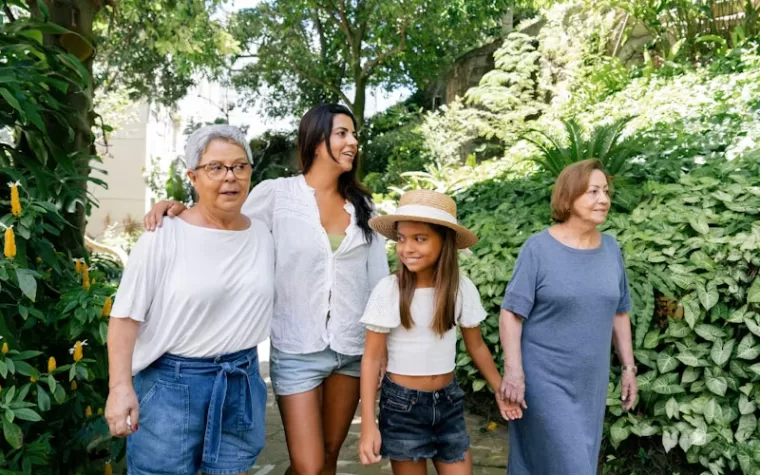
It used to be a throwback to another era—three generations living under one roof. Grandma making tea, toddlers running amok, teenagers hiding in their rooms, and parents somewhere in the middle of it all, trying to hold the chaos together. But today, what once seemed outdated is becoming a deliberate lifestyle choice. And surprisingly, it’s not just about saving money.
So, why are multigenerational households popping up again in neighborhoods and city blocks once built for nuclear families?
A Changing Definition of Independence
For years, independence meant leaving home at 18 and never looking back. However, these days we’re seeing adult children returning home, not because they’ve failed, but because the economy, housing, and even mental health trends are changing how we define “success.” Independence doesn’t have to mean distance. In fact, many families find that living together actually creates more freedom, not less. Parents can go out because Grandma’s there. Grandparents stay active because the kids keep them on their toes.
The Cost of Living, and the Cost of Isolation
Let’s be honest, rent isn’t cheap. Neither is childcare, elder care, or buying a house in most cities. While finances are a factor, there’s a deeper undercurrent: loneliness. We’ve built lives where we’re surrounded by people but still feel disconnected. Multigenerational living doesn’t just cut costs. It reduces isolation. For older family members, it’s an alternative to expensive Retirement Living—but one that comes with laughter, purpose, and the smell of Sunday lunch. For younger generations, it’s a chance to grow up with real-time wisdom and fewer screen-bound interactions.
Culture’s Quiet Influence
In many cultures, multigenerational living never stopped. It’s been the norm in Asia, Latin America, Africa, and Southern Europe for centuries. What’s shifting now is that Western society is catching on—slowly, and with a bit of humility. There’s a rediscovery of cultural traditions, shared mealtimes, and the value of proximity that once got lost in the race for hyper-individualism. People are remembering that strength often lies in togetherness.
Design Is Catching Up
Have you noticed how homebuilders are adjusting their blueprints? Granny flats, dual master suites, converted garages—they’re all signs of a broader trend. Architects are no longer just designing homes; they’re designing ecosystems. The future of living isn’t smaller. It’s smarter. Multigenerational homes are being built with intention, not as a last resort but as a strategic choice that blends privacy with community.
The Return of the Village
Maybe the old proverb was right—it really does take a village to raise a child. But perhaps it also takes a village to support an aging parent, heal from burnout, or just get through a tough year. In multigenerational homes, the burdens are shared—but so are the celebrations, the milestones, and the everyday joys. Multigenerational households are becoming the new village—messy, vibrant, supportive, and human. In a world that’s increasingly digital and disconnected, that might just be the most modern choice of all.